PSG Garmin Półmaraton Gdańsk 2026
Polish Crown, race 4 of 5
Four down, one to go!
I’ve started doing Norwegian Singles, training just under my threshold, at a heart rate of around 165. Gdańsk was the first race where I tried not to go above 167 and to consciously lift my feet for the whole race.
About the Race
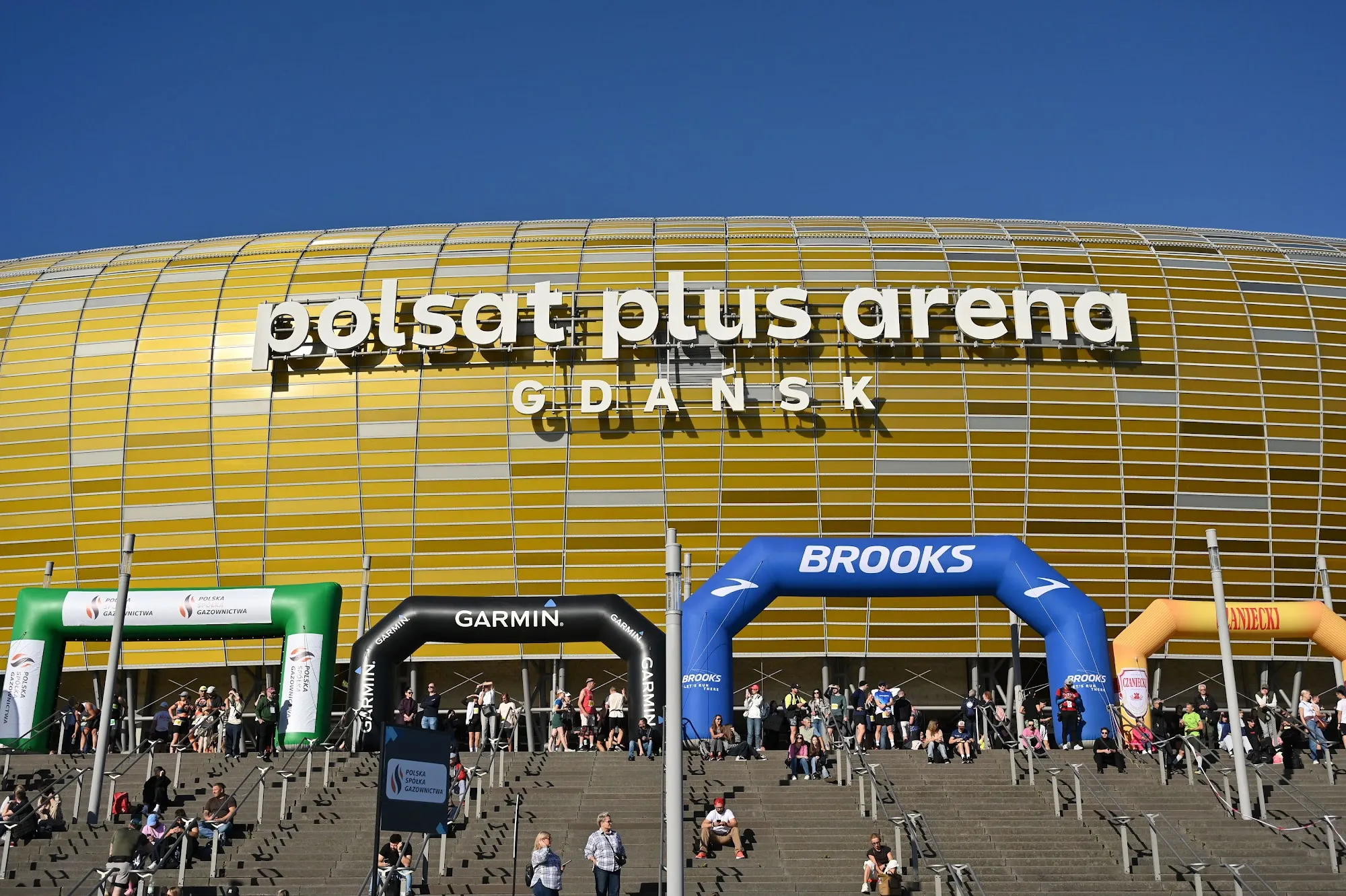
The Gdańsk Half Marathon (PSG Garmin Półmaraton Gdańsk) was race number four of my Polish Crown. The organisers describe the course as flat and 100% asphalt. It’s PZLA certified, with a 3-hour time limit. My watch measured 57 m of climbing over the whole race.
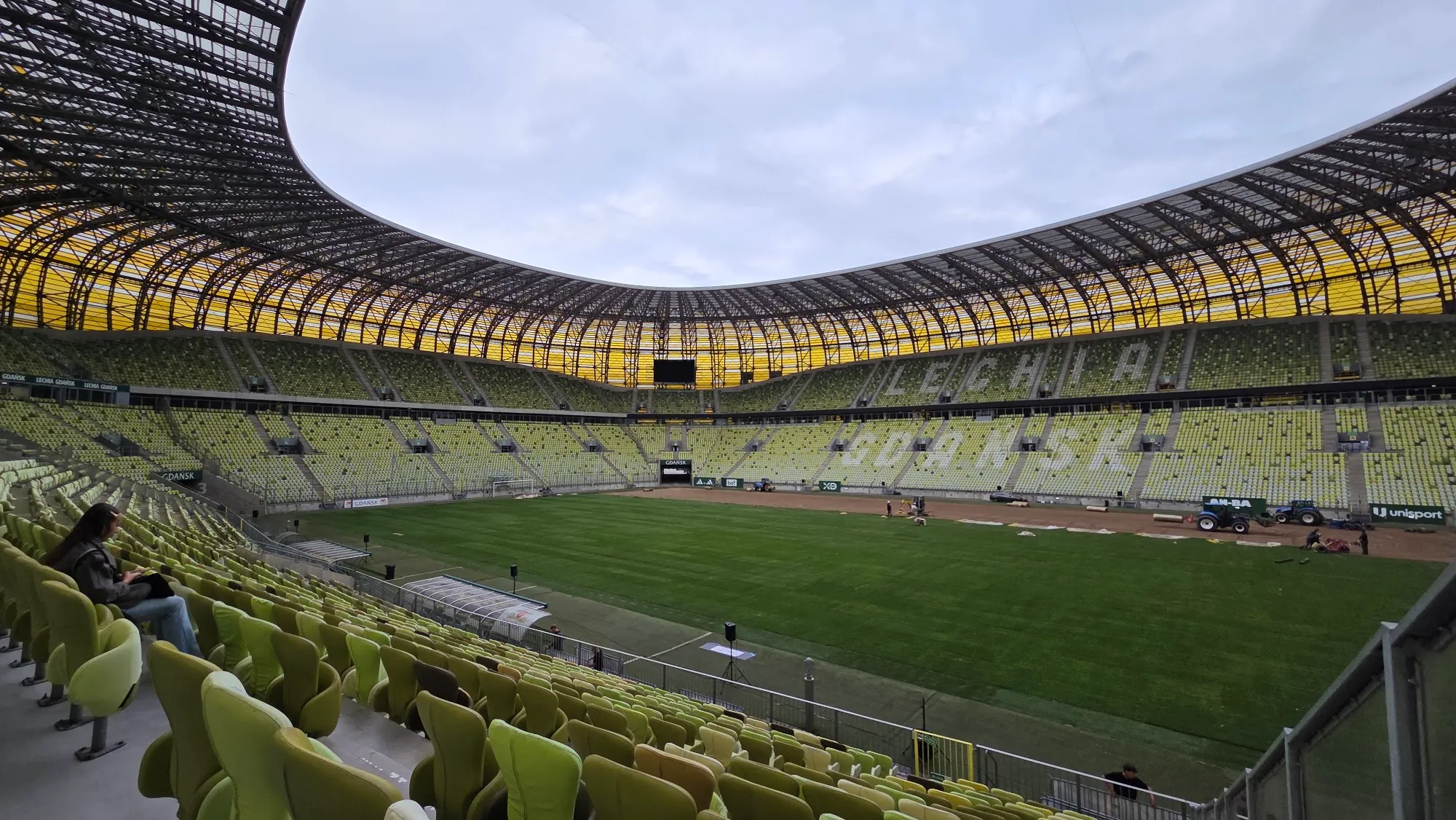
This year, the start and finish moved to the streets in front of Polsat Plus Arena, the city’s football stadium. On the way, the course passes the Gdańsk Shipyard and the European Solidarity Centre, where Solidarność began, plus Oliwa Park, the Falowiec and the Baltic Opera.
This was also the biggest edition Gdańsk has organised so far. I think previous editions had under 10,000 runners, and this year they planned for 15,000. Before the race, I hoped the organisation would cope with that. We’ll see!
Elżbieta Glinka set a new Polish women’s record in the same race: 1:08:48, beating the old record of 1:09:18.
Planning and Arrival
I flew to Gdańsk with LOT, the Polish national airline. I’ve flown with them to most of my races in Poland, this year and in the past. It’s quite convenient, and Warsaw is an air hub that’s very well connected to the rest of Europe.
Even though it was a connecting flight, everything went smoothly, with no delays. I was impressed by LOT.
I stayed at the Scandic Gdańsk, right next to the main train station, Gdańsk Główny, and less than a kilometre from the city centre. That was very convenient, because it made it really easy to get into the centre and explore the city.
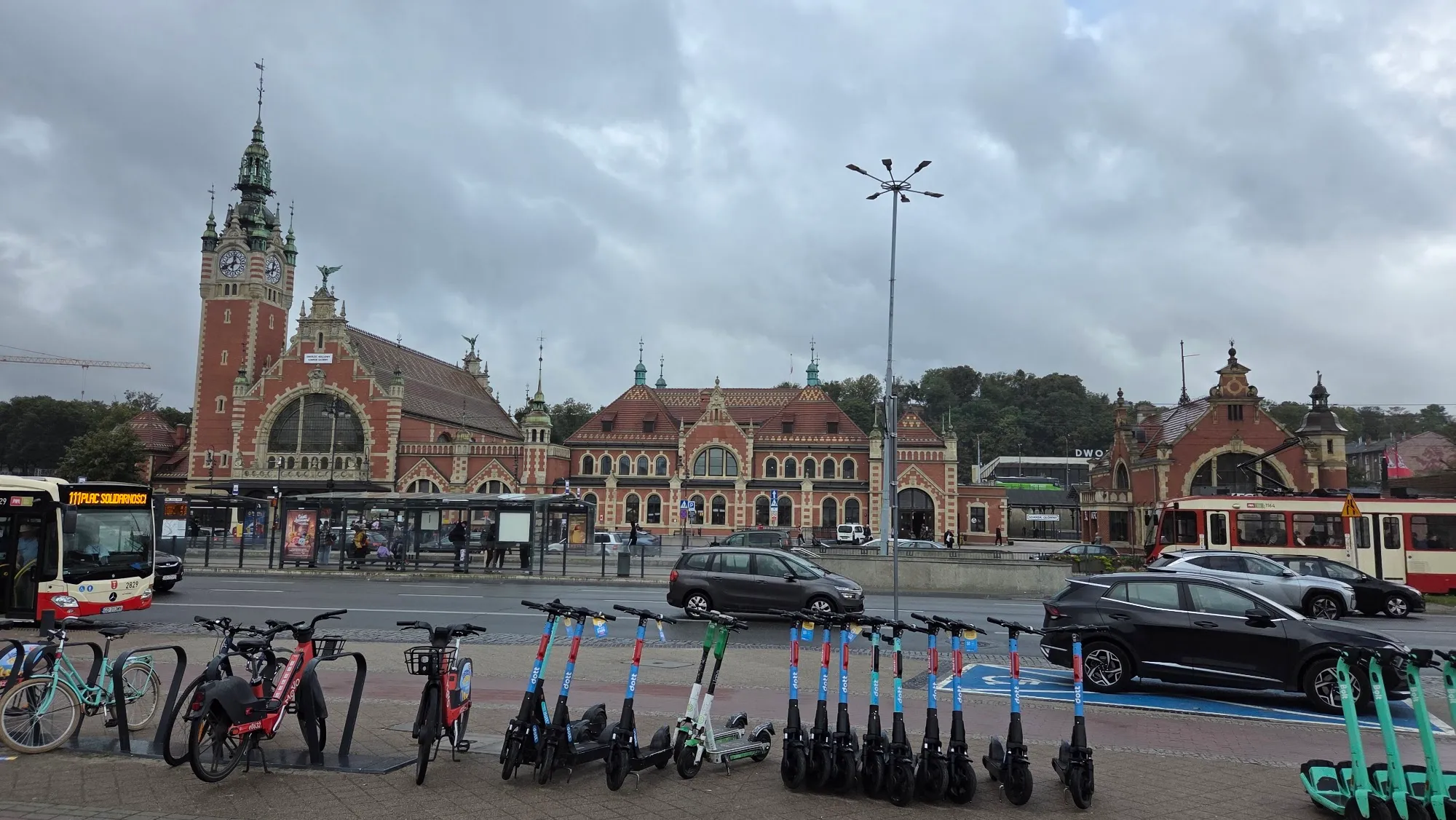
The hotel was fine and good value for money, and breakfast was decent too. For the first time before a race, I had toast with honey and bananas, and that was my whole breakfast.
The tram to Polsat Plus Arena leaves from right in front of the station, so right outside the hotel. Before race day, I got there very easily, in less than 20 minutes.
The expo was very small. Apart from the gels I always buy at expos, there wasn’t much to see. You can tell the organisers are still learning.

Exploring the City
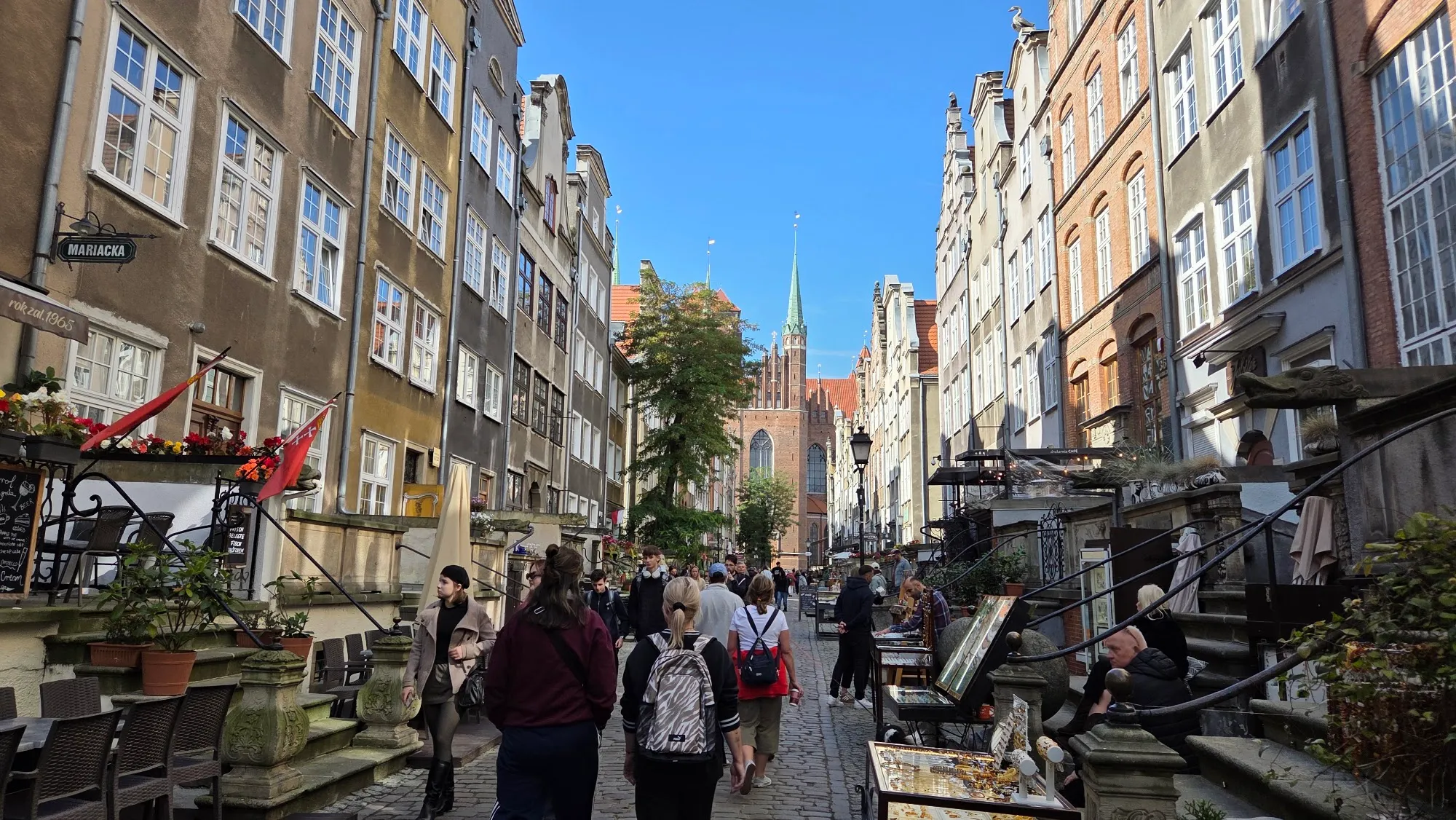
Gdańsk is a very beautiful, historic city, full of interesting streets and architecture.
One street I have to mention is Mariacka Street, where you can buy amber jewellery. I walked along it two or three times and was fascinated by the beautiful amber pieces. I bought my wife a pair of earrings, and I’m sure she’ll love them when I give them to her.
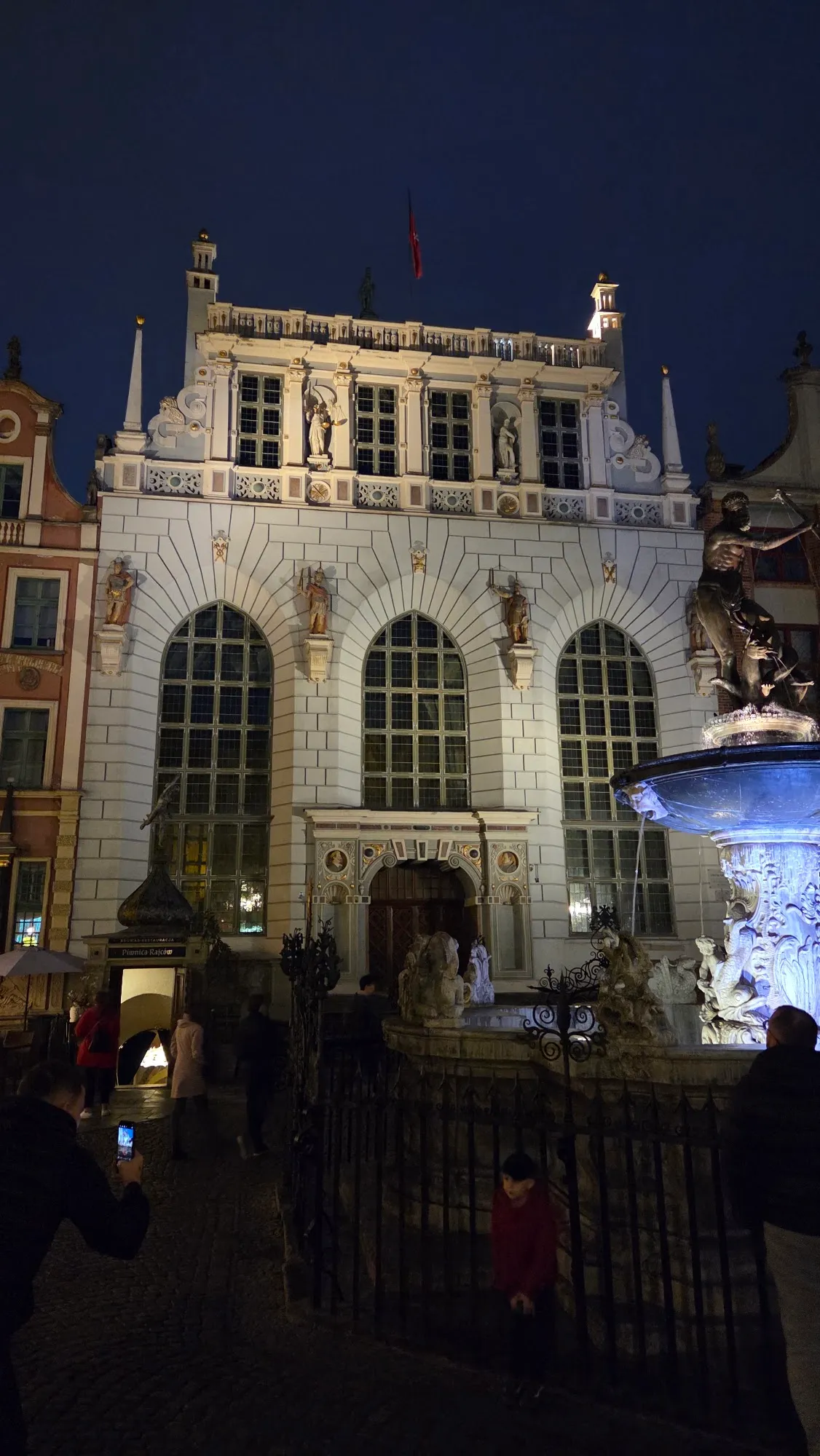
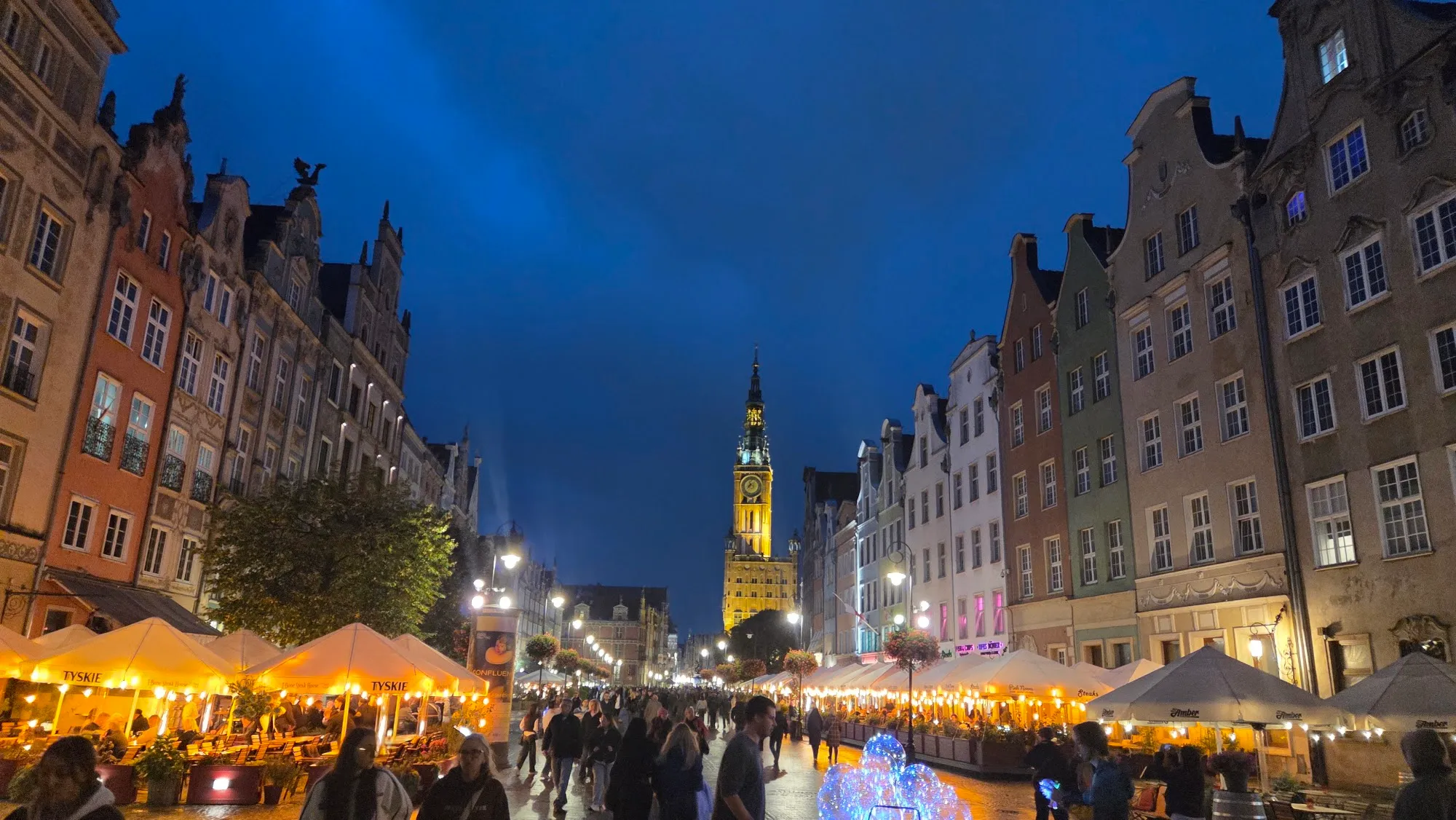
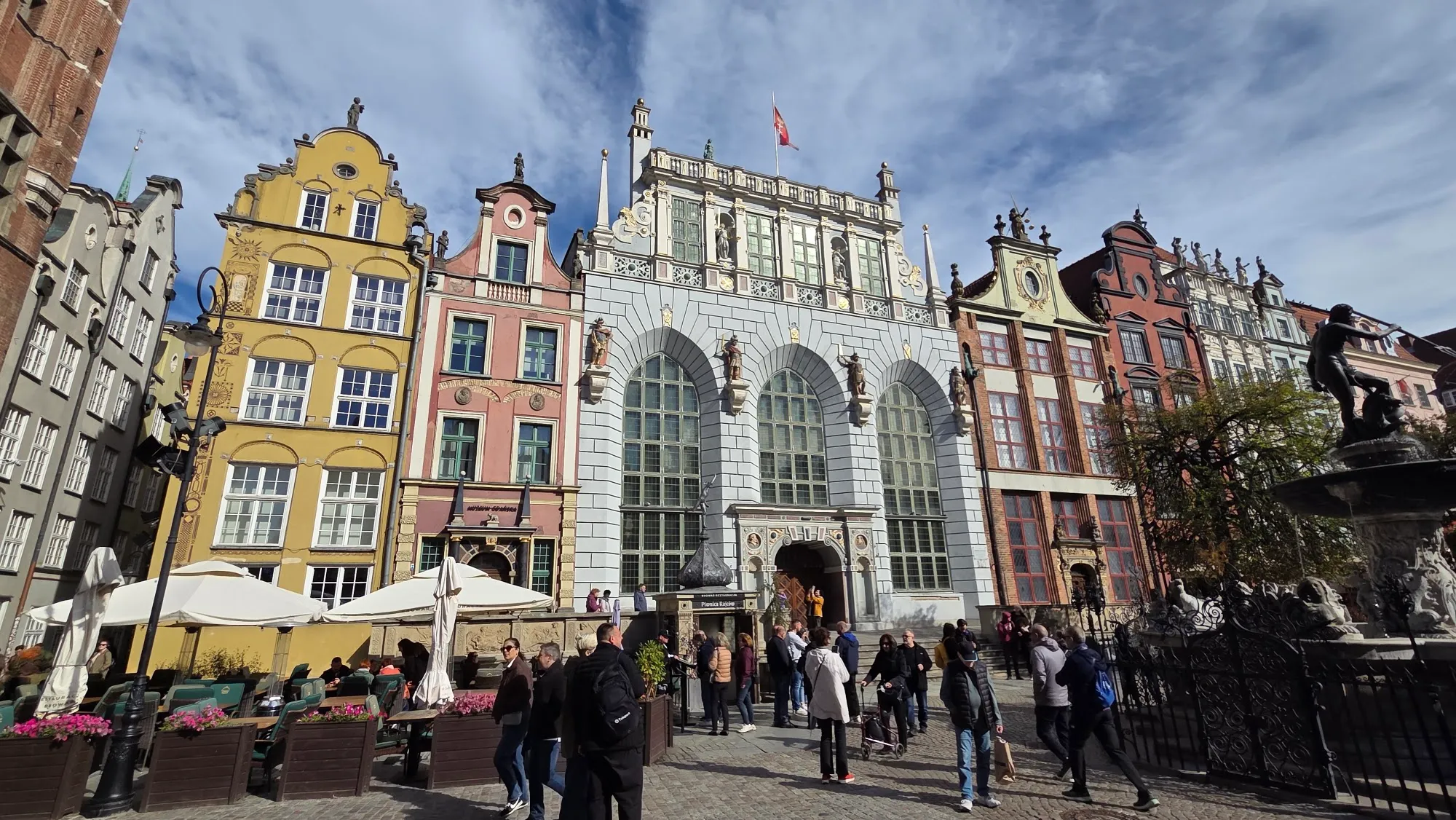
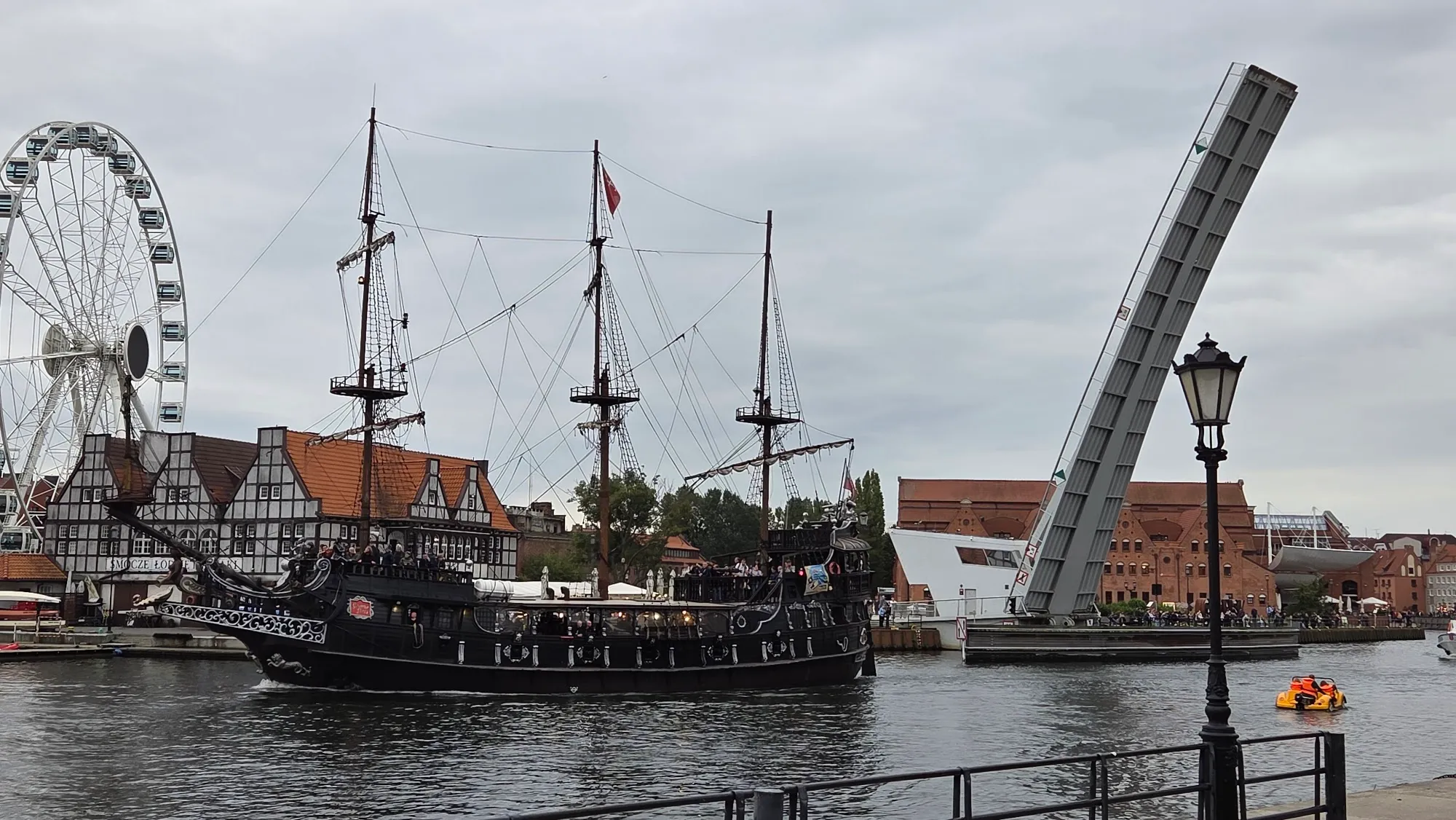
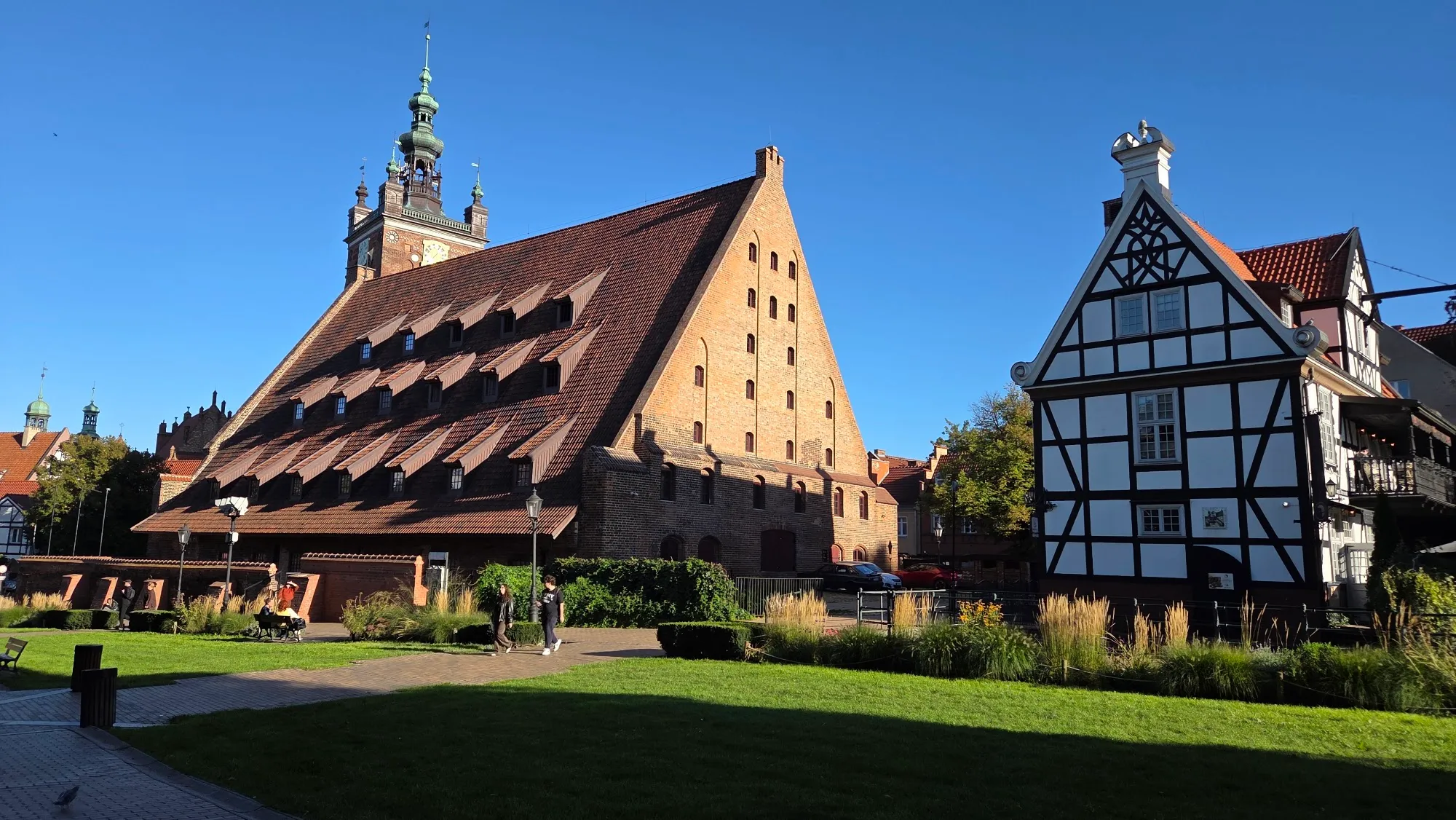
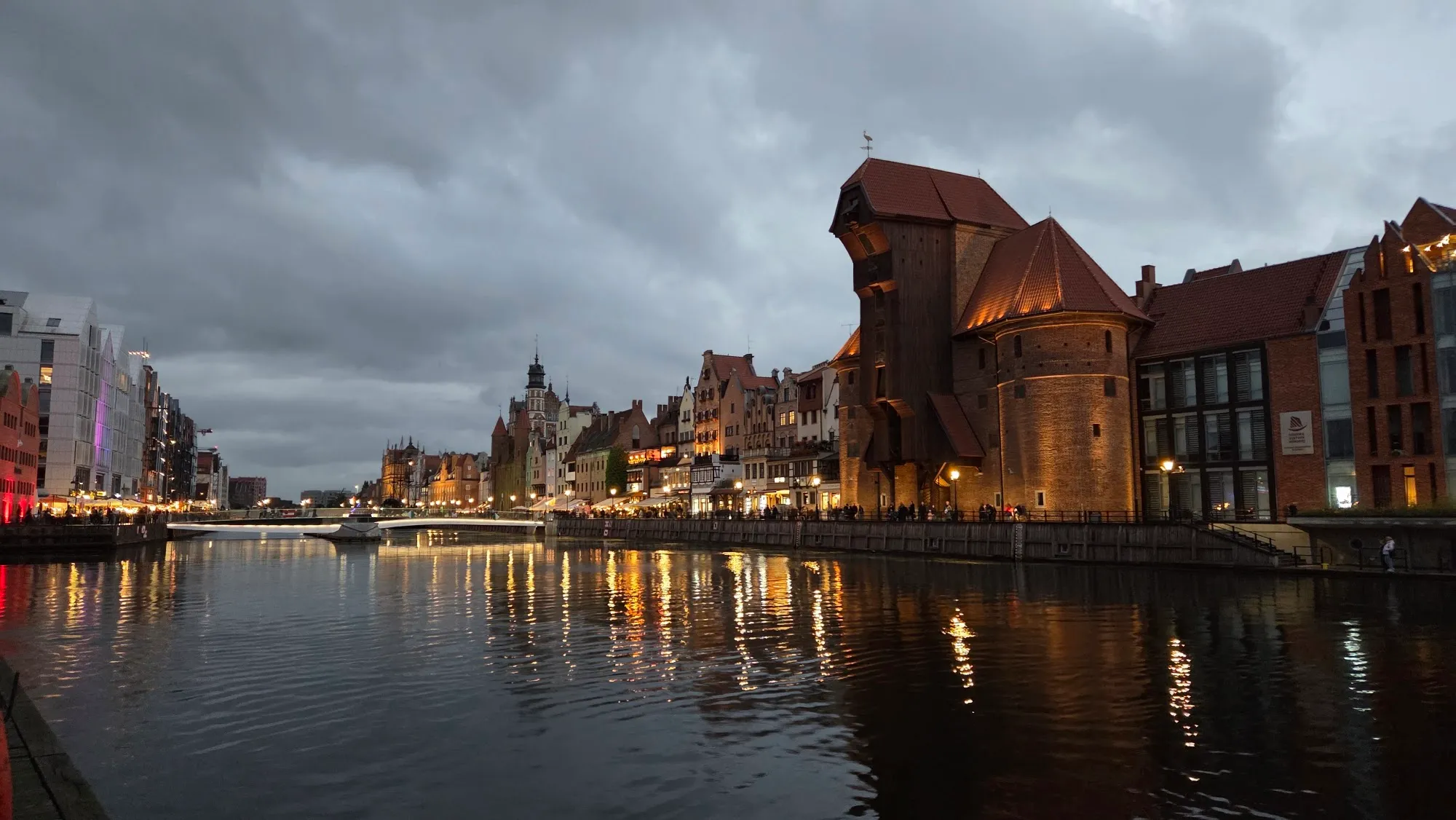
I also really liked the Old Port on the Motława, with Żuraw, the Crane, Gdańsk’s famous medieval port crane.
From there, I took a boat cruise to Westerplatte, where Polish soldiers held out against the Germans in the first days of the Second World War.
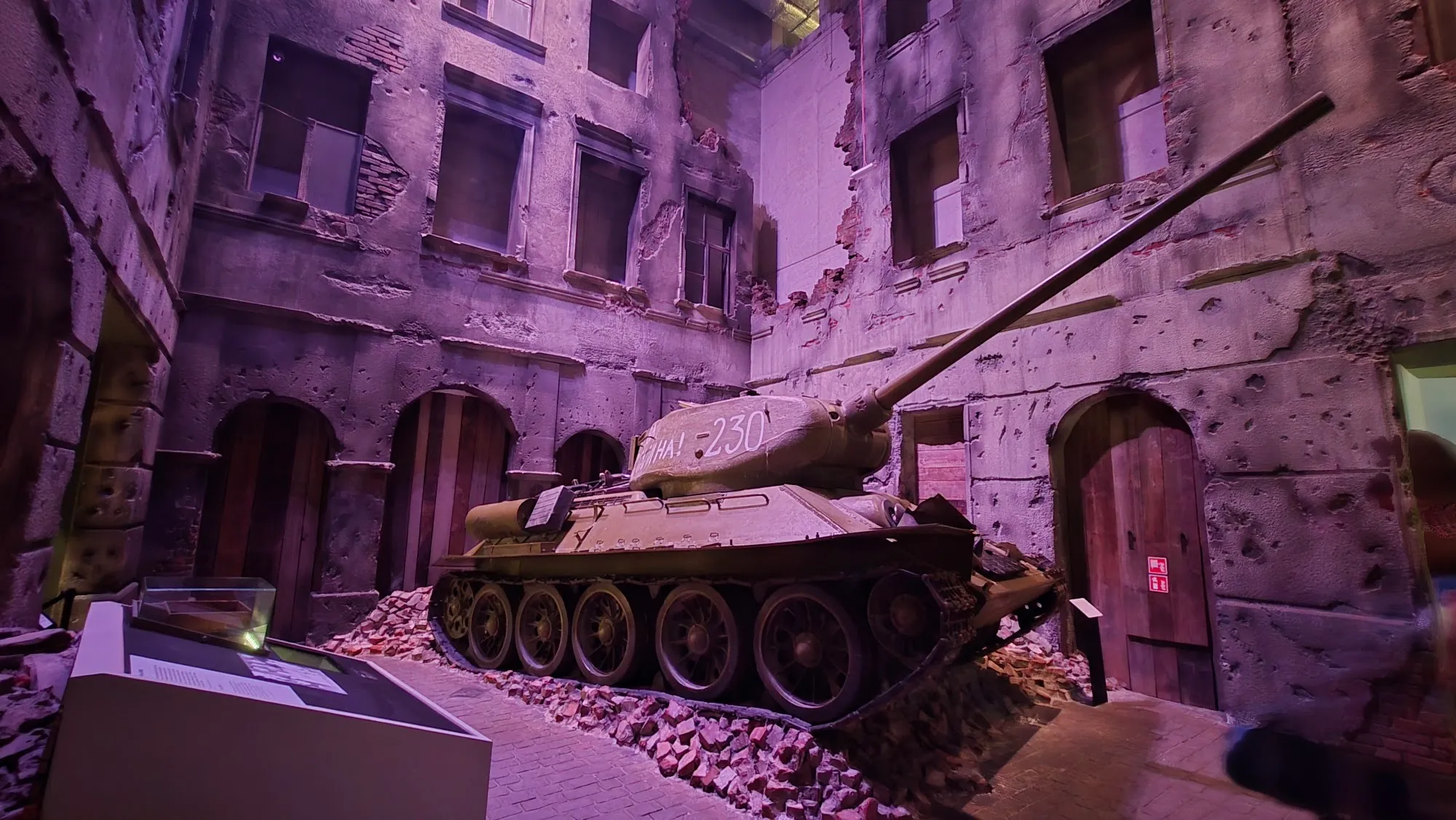
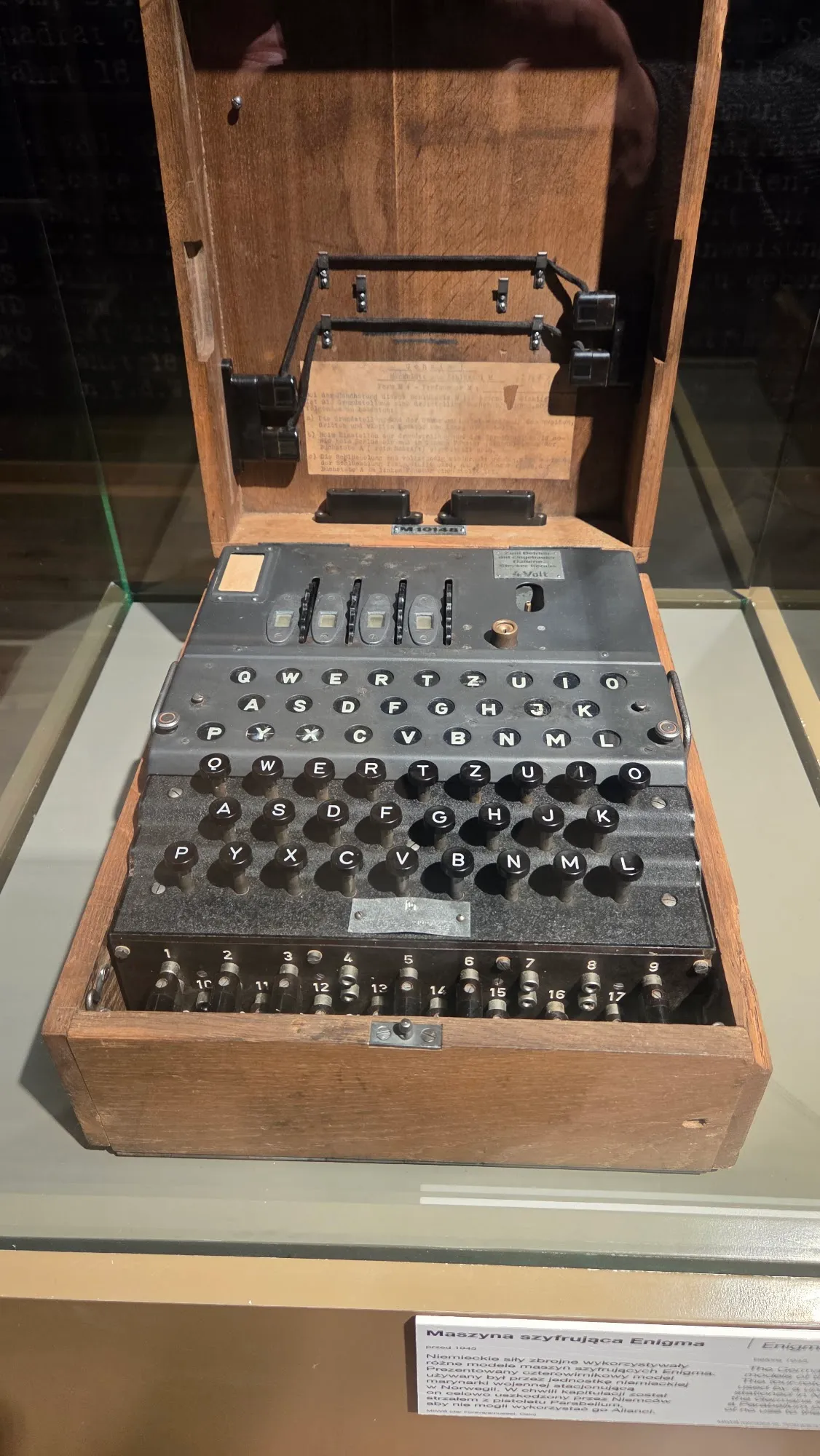
I also visited the Museum of the Second World War, and it’s a very well-made museum.
Race Day
On race day, though, we couldn’t get on the tram. Unfortunately, the organisers hadn’t arranged any extra trams, and the last one that could get us there in time came about 50 minutes before the start, packed full of runners.
So we had to order an Uber and rush to the start. From where the Uber dropped us off, we ran to the bag drop to leave our clothes, and from there straight to the start. There was no way to warm up properly, so I started this race completely cold.
This was where the organisation started to show its weak spots, with the number of runners almost doubling.
By my standards, race day was quite warm. I ran in a singlet and a cap, and I was still hot. That was completely unexpected, since Gdańsk is in the north and the climate is generally cool. But compared with other races where I ran in full sun, the conditions here were OK.
The course had a lot of climbs, and the hard part was that the ups and downs kept coming for almost the entire race. I expected Gdańsk to be a fast race, but the climbs and descents wore me out very quickly and turned the race into a real test.
I put my plan into action right from the start. After the first kilometre, when I hit the first climb, and with the heat, I decided not to go above 167, except maybe in the last few kilometres. Even though it was hot, watching my heart rate meant I could run a consistent race from start to finish.
My new technique of consciously lifting my feet helped on the climbs too: even though they were hard, I managed to keep a decent pace and feel good.
And my watch agrees: my heart rate didn’t go above 167 for the first 14 km, every kilometre was between 4:57 and 5:20, and I ran the second 10 km 13 seconds faster than the first.
Towards the end, the course got quite crowded and difficult. The finish section started before the arena with a hard climb over a bridge, then I sped up on the way down, and there were a few turns around the stadium. I guess the organisers needed a few dozen more metres to make up the official distance.
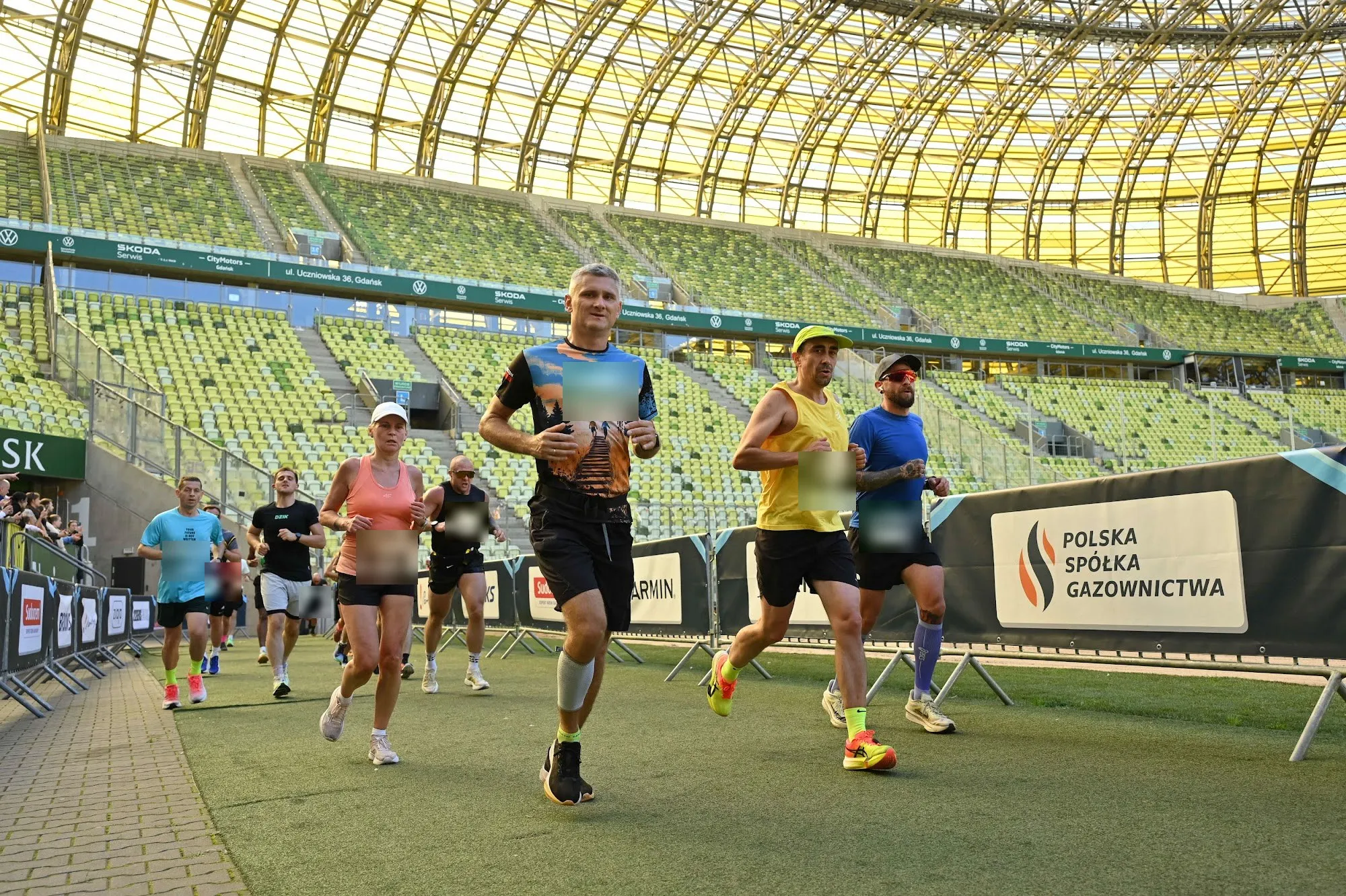
We also ran through the arena itself, which was a really great feeling. But even with all the adrenaline, it was impossible to overtake in there. Then we came back out, and the finish line was right next to the arena.
All in all, I’m happy with this race: it was controlled, and it’s one I’ll recover from very quickly.
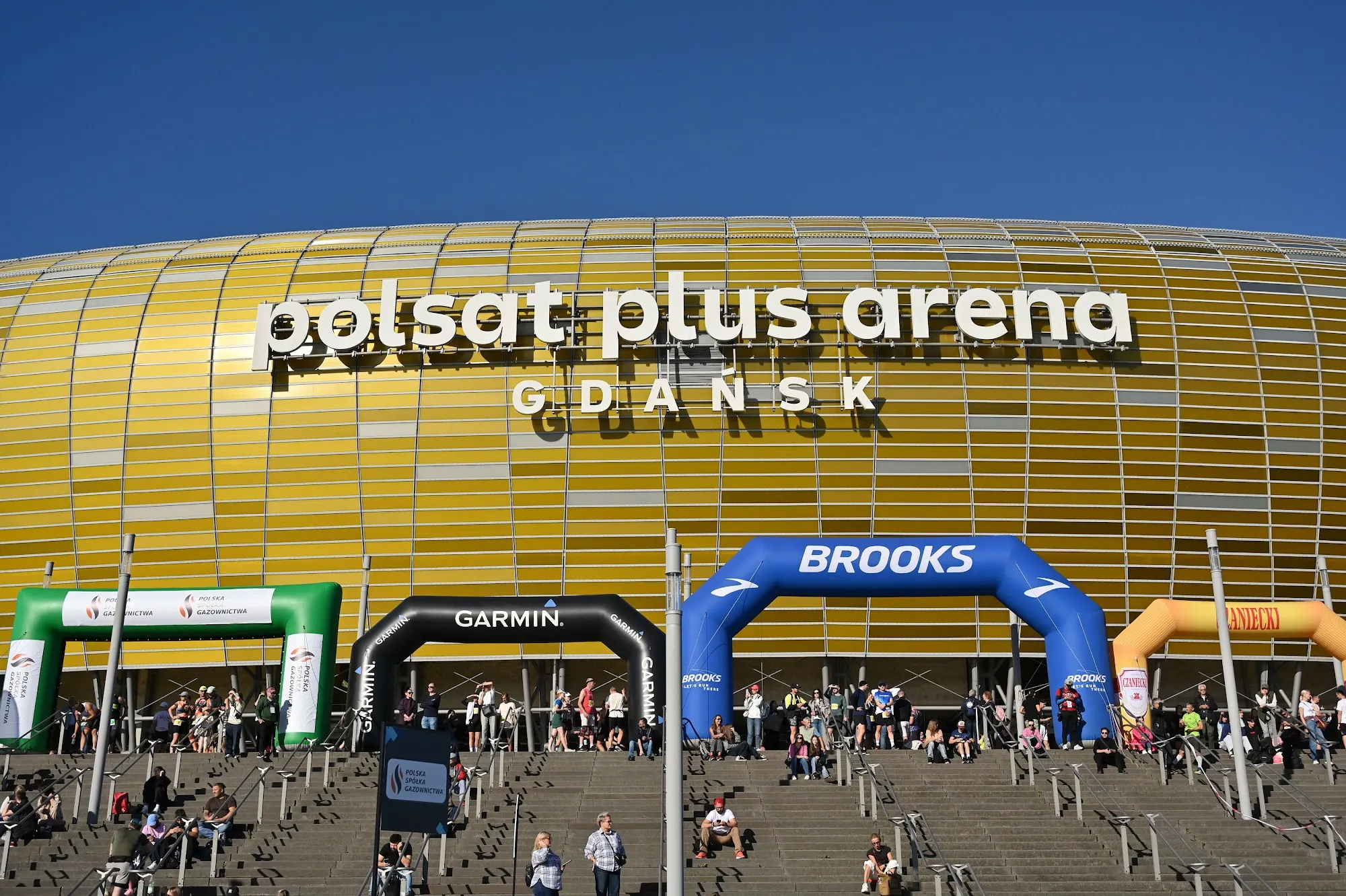
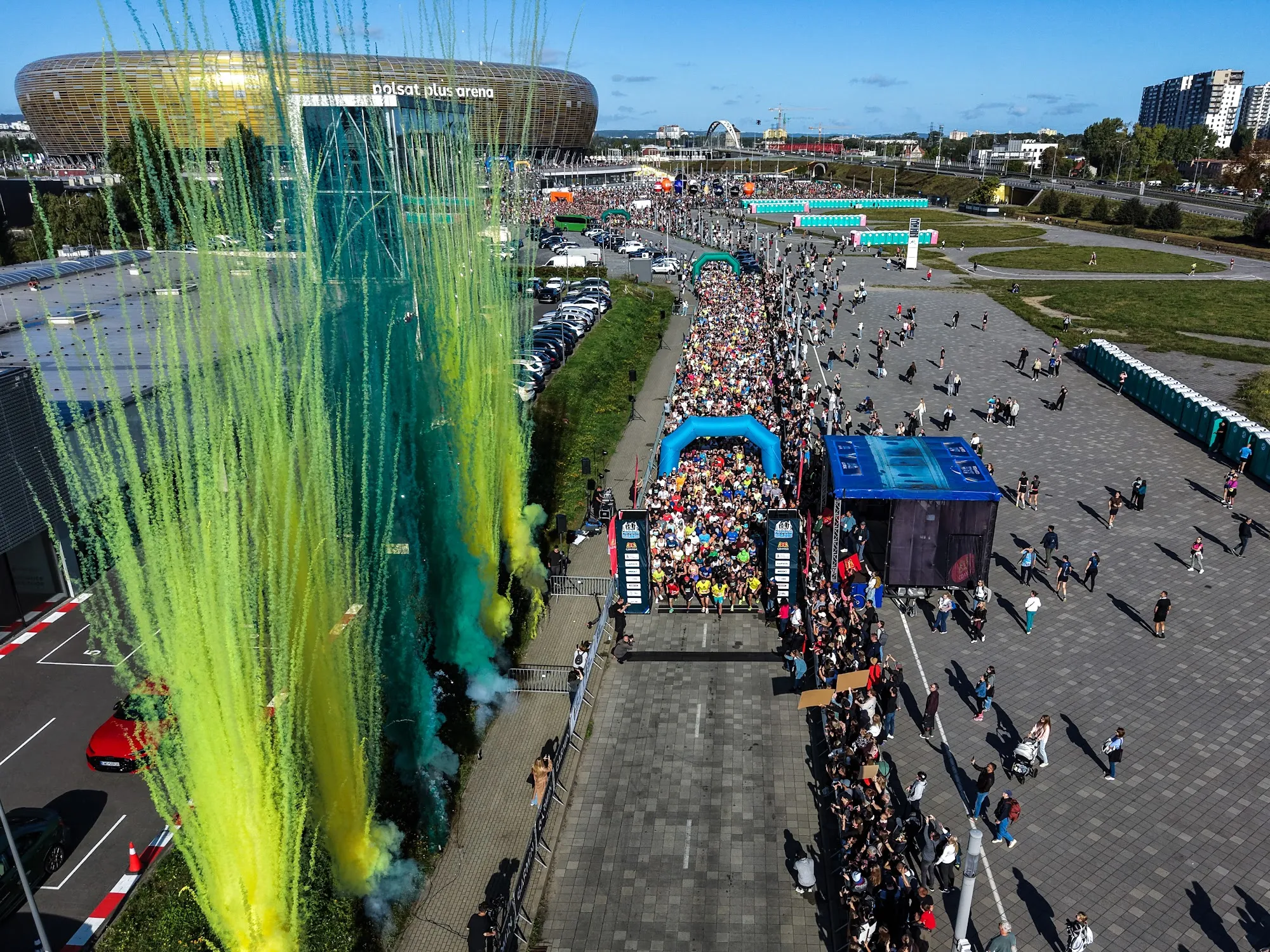
The unpleasant surprise came after the race, when we couldn’t get back to the hotel. Taking the tram was impossible, and so was calling an Uber, because there was no phone signal. I’m not sure whether that was because there were so many runners in the area that you couldn’t get onto the network, or because the stadium is quite isolated. Either way, we had to run 3 km back to the hotel.
At least it meant I hit the 45 km of weekly mileage I wanted!
The Numbers
| Gdańsk 2026 | |
|---|---|
| Official time | 1:48:25 |
| 5 km splits (watch) | 25:29 · 25:42 · 25:23 · 25:35 |
| First vs. second 10 km | 51:11 vs. 50:58, 13 s faster |
| Heart rate | avg 165, max 183 |
| Cadence | 188 steps/min |
| Weather | 15°C (59°F), real feel 22°C (72°F), sunny, 80% humidity, almost no wind |
| Polish Crown so far | Warsaw 1:42:08 · Poznań 1:47:04 · Wrocław 2:03:59 · Gdańsk 1:48:25 |
Final Thoughts
It was a special race for me, one where I ran the same steady pace from start to finish. What I was missing was speed. I’ll spend a few hours with AI trying to understand why I still have the endurance but not the speed. For now, it remains a mystery.
Judging by the crowds at the end, the organisers still have a lot to learn before this becomes a race with an international reputation, like others I’ve run, such as Valencia, Berlin or Paris.
Running it yourself?Plan this race with euroslam.run →Date, race-week weather and hotels near the start.EuroSlam is my own free side project. Some hotel links on the site earn me a small commission, at no extra cost to you.
I'm a recreational runner with an office job, testing running science on my own legs. More about me.