Tarczyński Nocny Wrocław Półmaraton 2026
Polish Crown, race 3 of 5
Three down, two to go!
For the third race of the Polish Crown, we wanted a race in June, and the only one that really appealed to us was Wrocław. It was my first half marathon at night. Until then, my only night race had been a 10K, and that one started at around 7 or 8 PM, not at 10.
I also have to admit something: after reading too much about running form, I had tried to change my running technique before this race. That turned out to be a mistake, both during the race and after it.
About the Race
The Wrocław Night Half Marathon (Tarczyński Nocny Wrocław Półmaraton) was race number three of my Polish Crown, and its 12th edition. As the name says, it runs at night: the start was at 22:00 on a Saturday in June.
This year’s course was new. The start and finish moved to Tarczyński Arena, the city’s football stadium: you start on al. Śląska and finish on the stadium pitch. On the way, the course goes through the Old Town, crosses the Grunwaldzki and Młyński bridges with views of Ostrów Tumski, and passes the lit-up university bridges. The organisers called it a “new, faster” course, and it’s certified by AIMS, World Athletics and PZLA. My watch measured 38 m of climbing.
It’s a huge race. The first 22,000 places sold out in 36 hours, 26,066 runners registered in the end, and 21,807 crossed the finish line.
Planning and Arrival
To get to Wrocław, I flew all the way with LOT.
I stayed at the Wyndham Wrocław Old Town, in one of the 3-star rooms (they have 4-star ones too). Being right in the centre, it was very convenient. Getting to Tarczyński Arena was quick too: the tram took me there in 20 minutes. Trams in Poland are very convenient: instead of buying a ticket, you can pay by card right on the tram, which is what I did.
Exploring the City
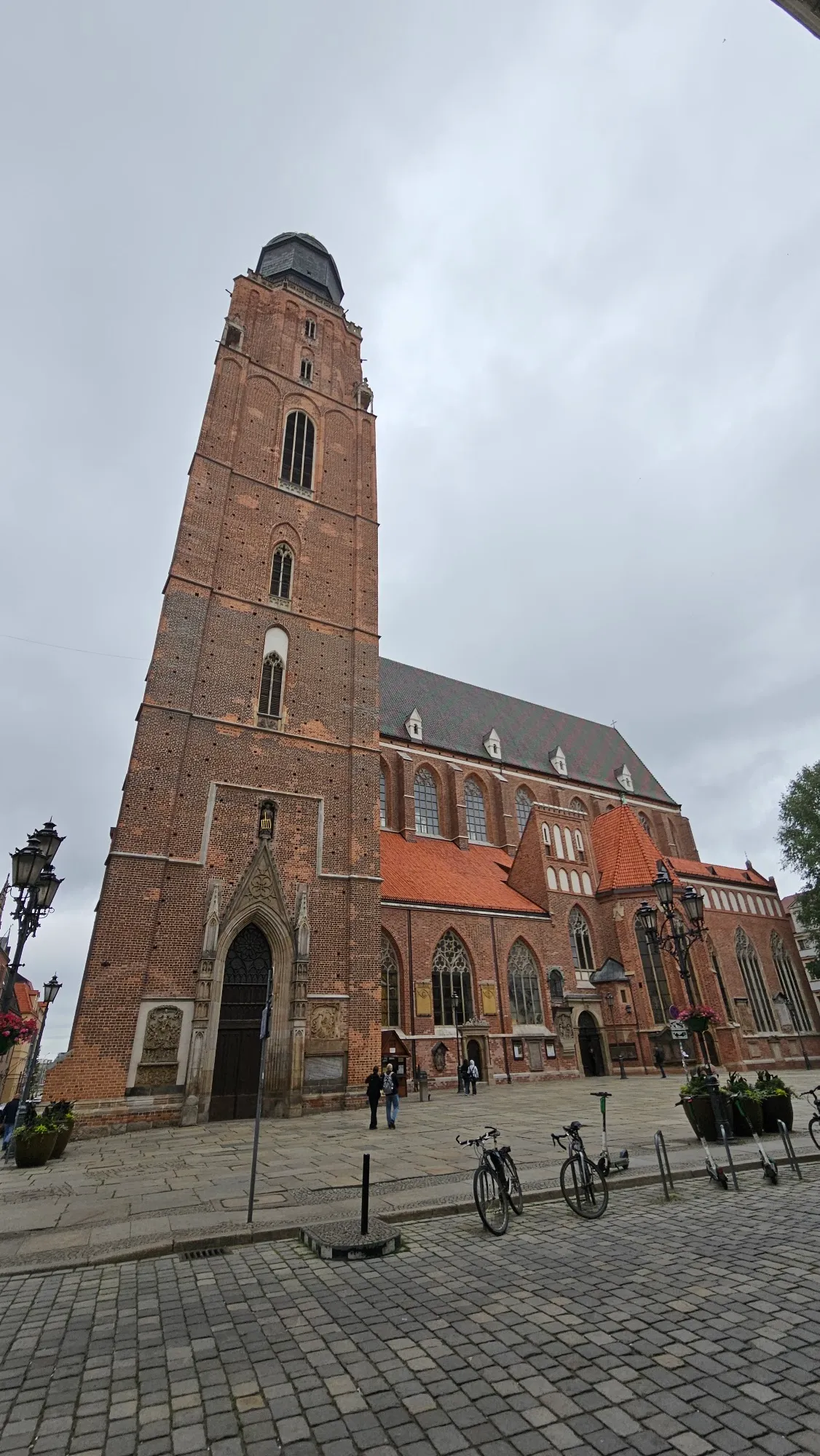
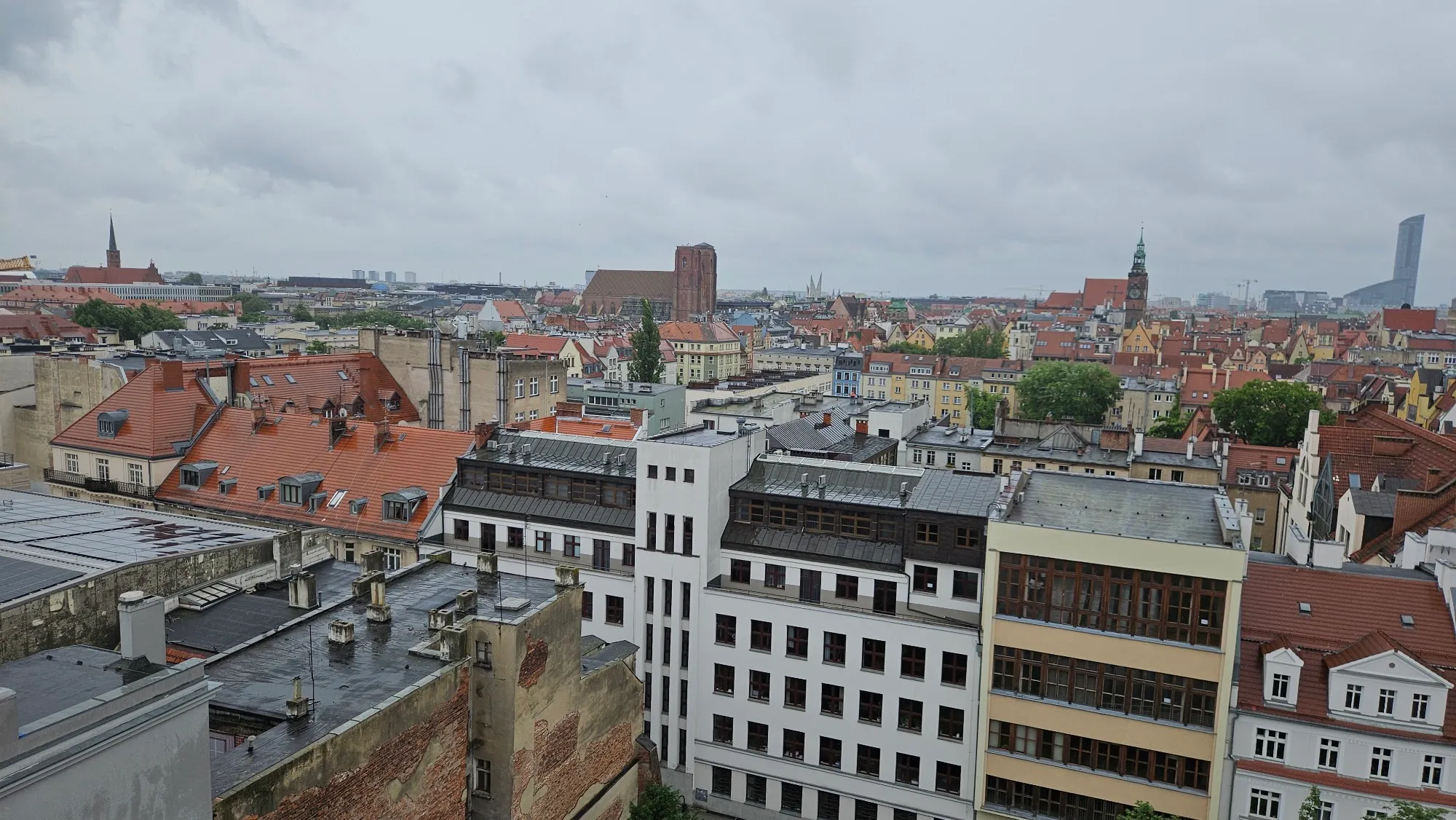
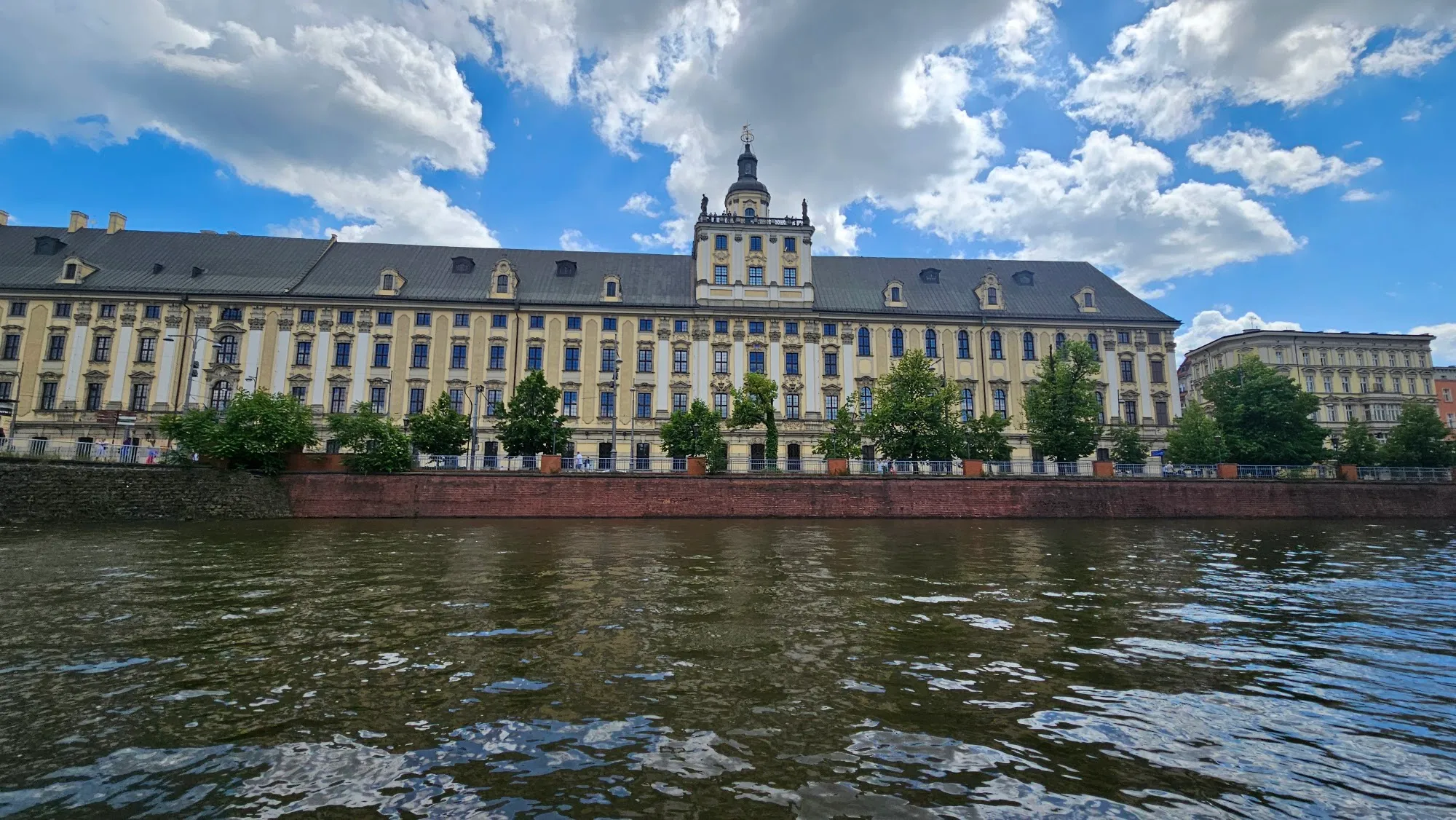
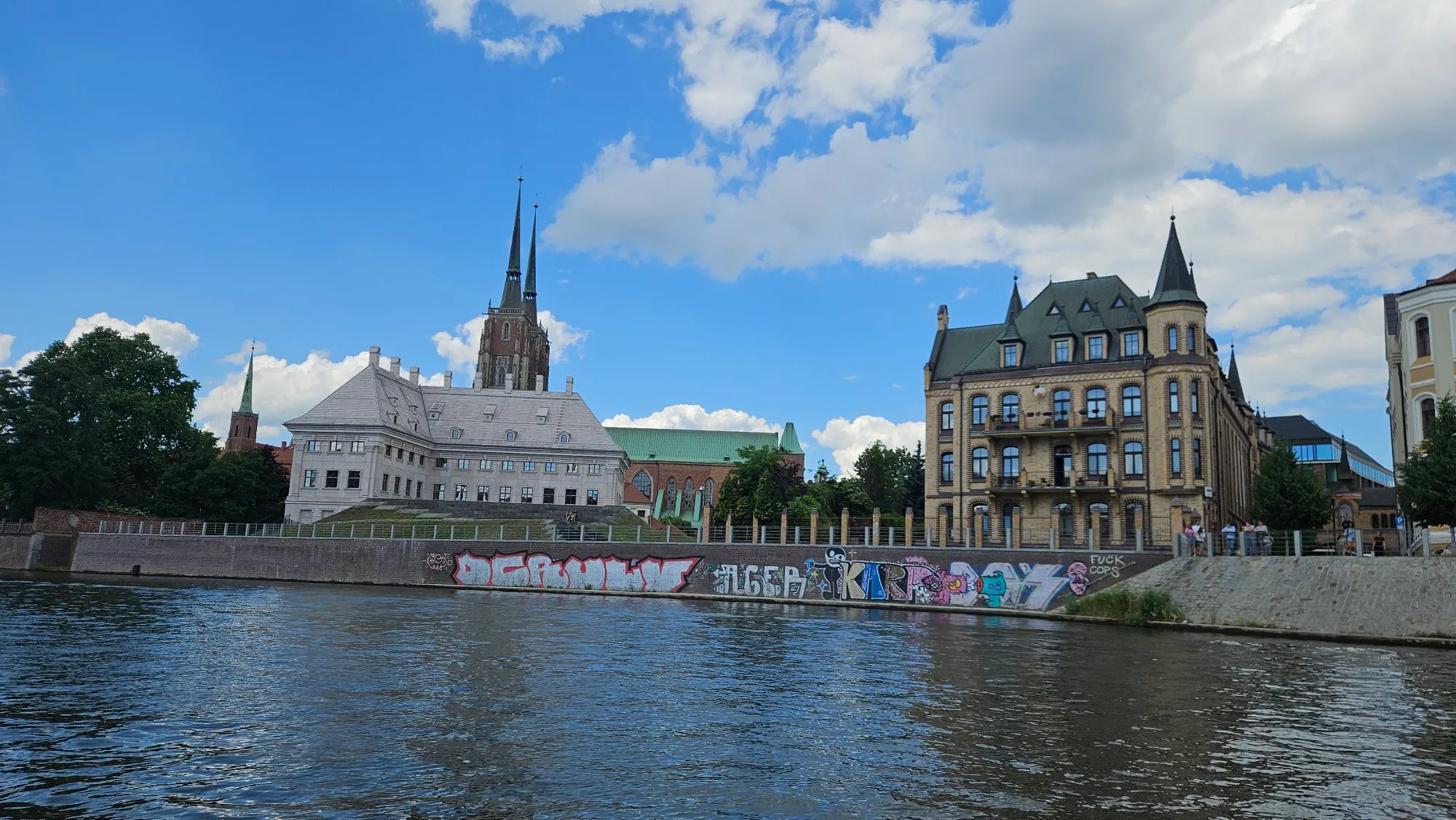
I don’t know which is bigger, Wrocław or Poznań, but the two are very similar. The centres felt almost identical, with beautiful old architecture and lots of places to sit, talk and have a beer. It’s definitely a beautiful city. I also climbed the tower of St Elizabeth’s Church, for a view over the rooftops of the Old Town, and took a boat cruise on the Odra. You can tell which photos I took from the boat!
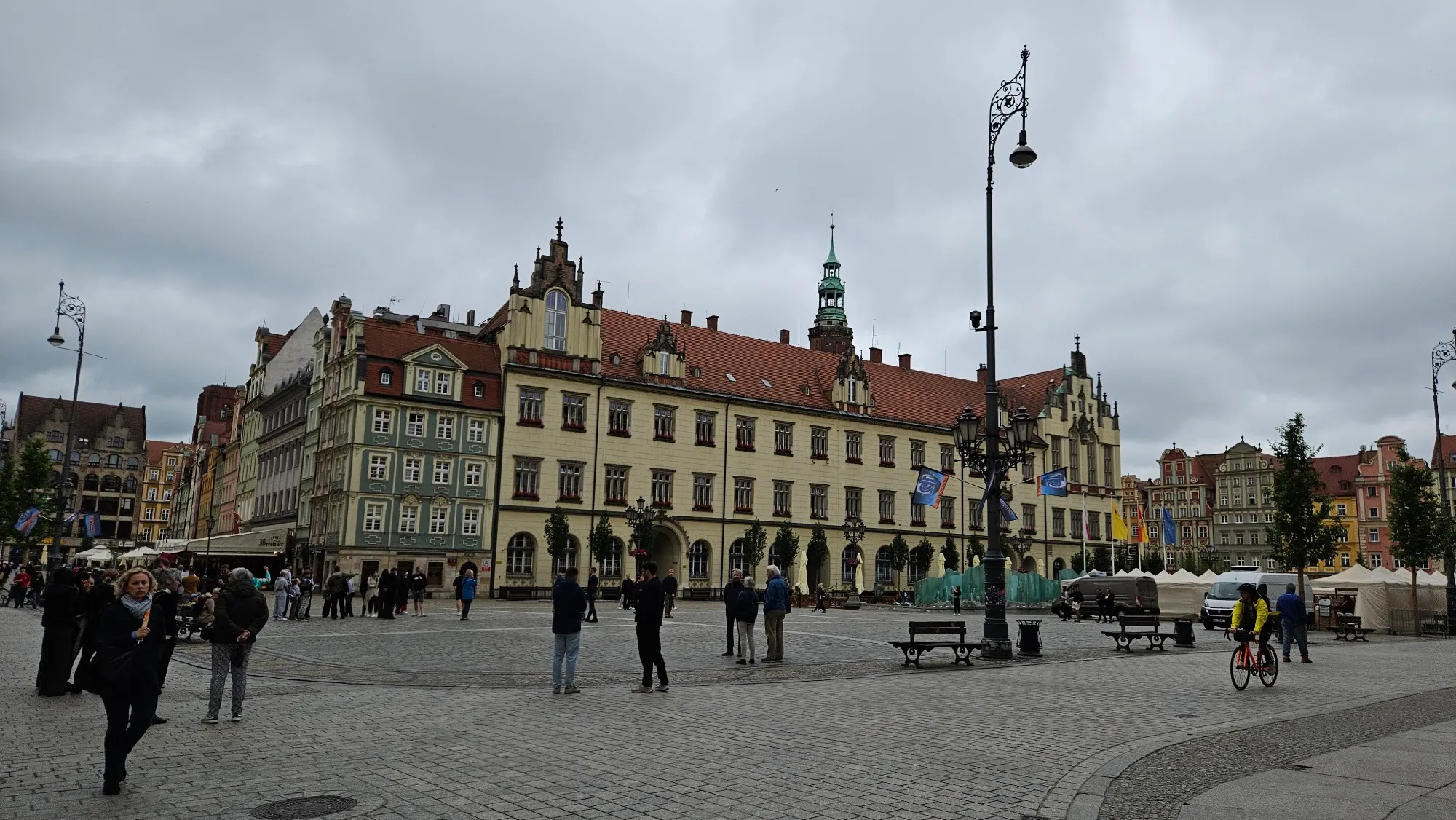
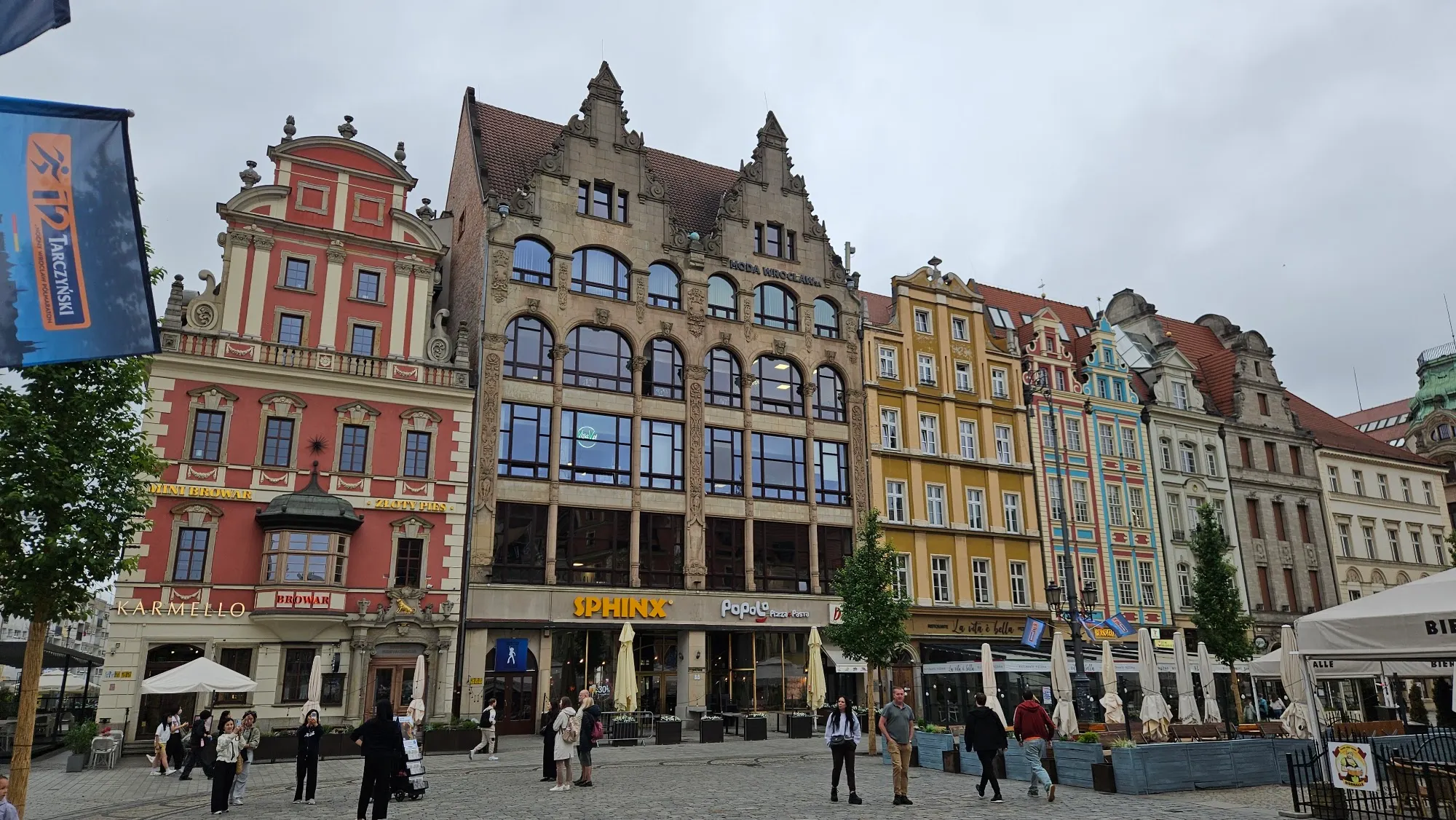
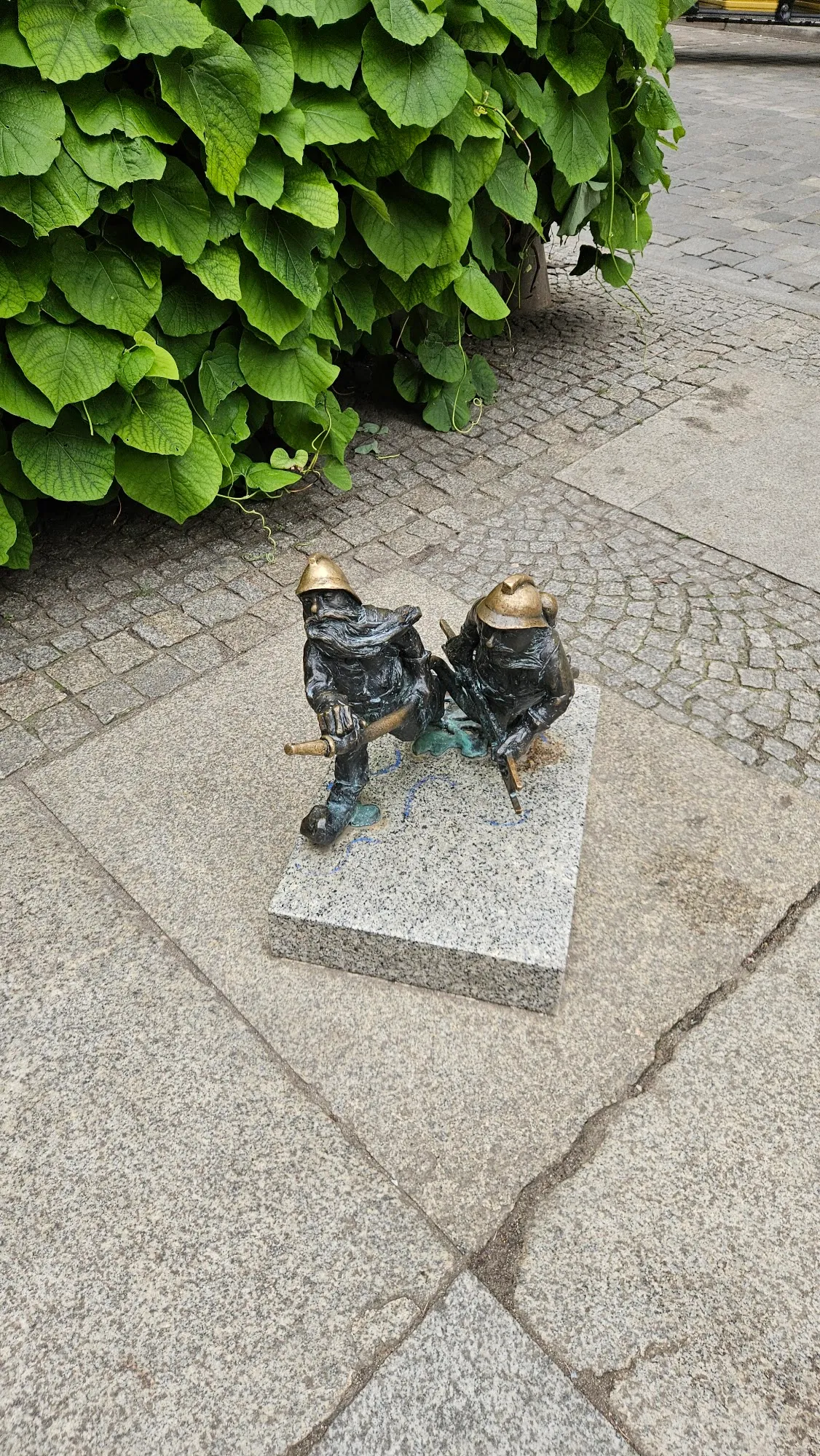
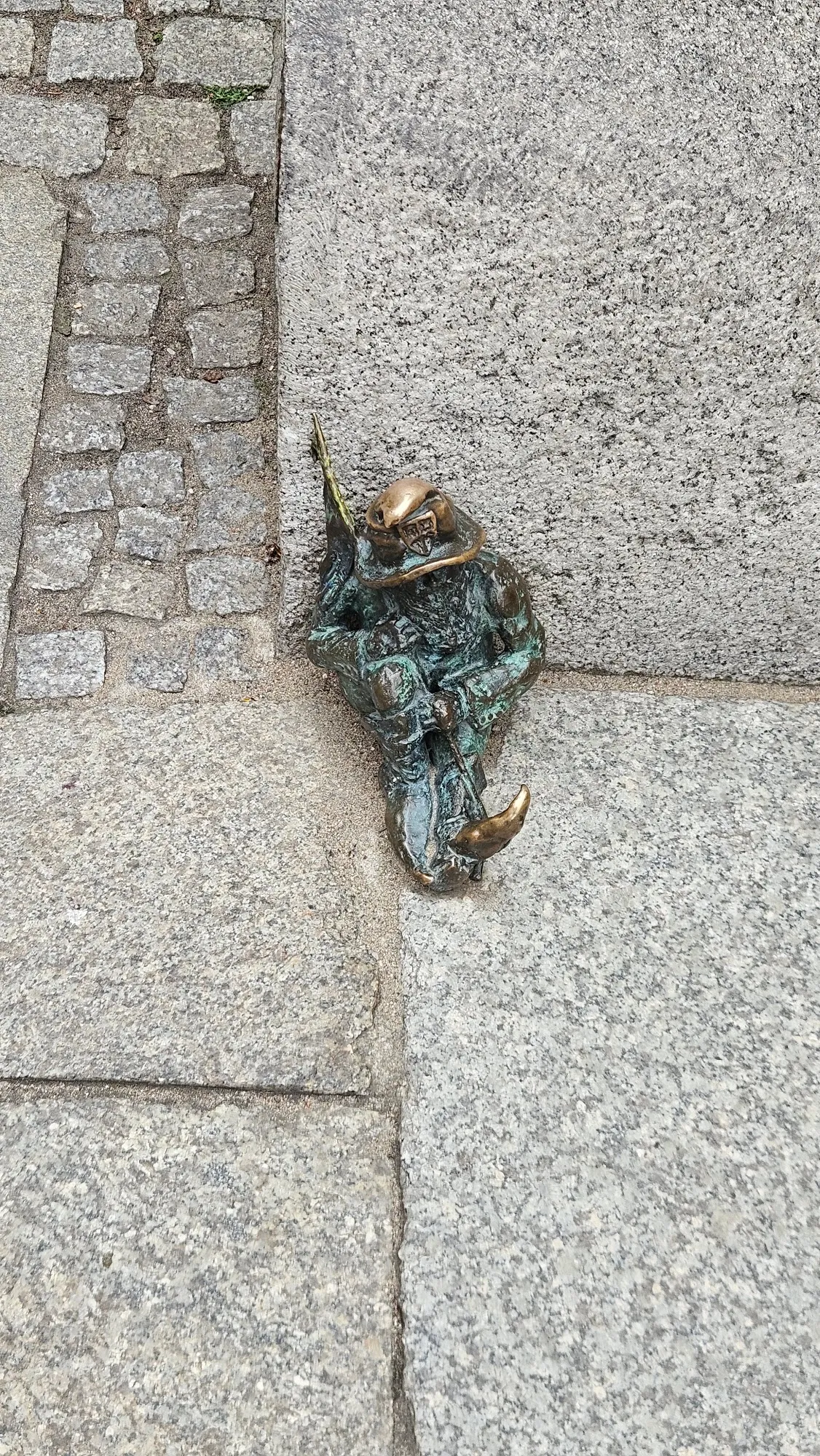
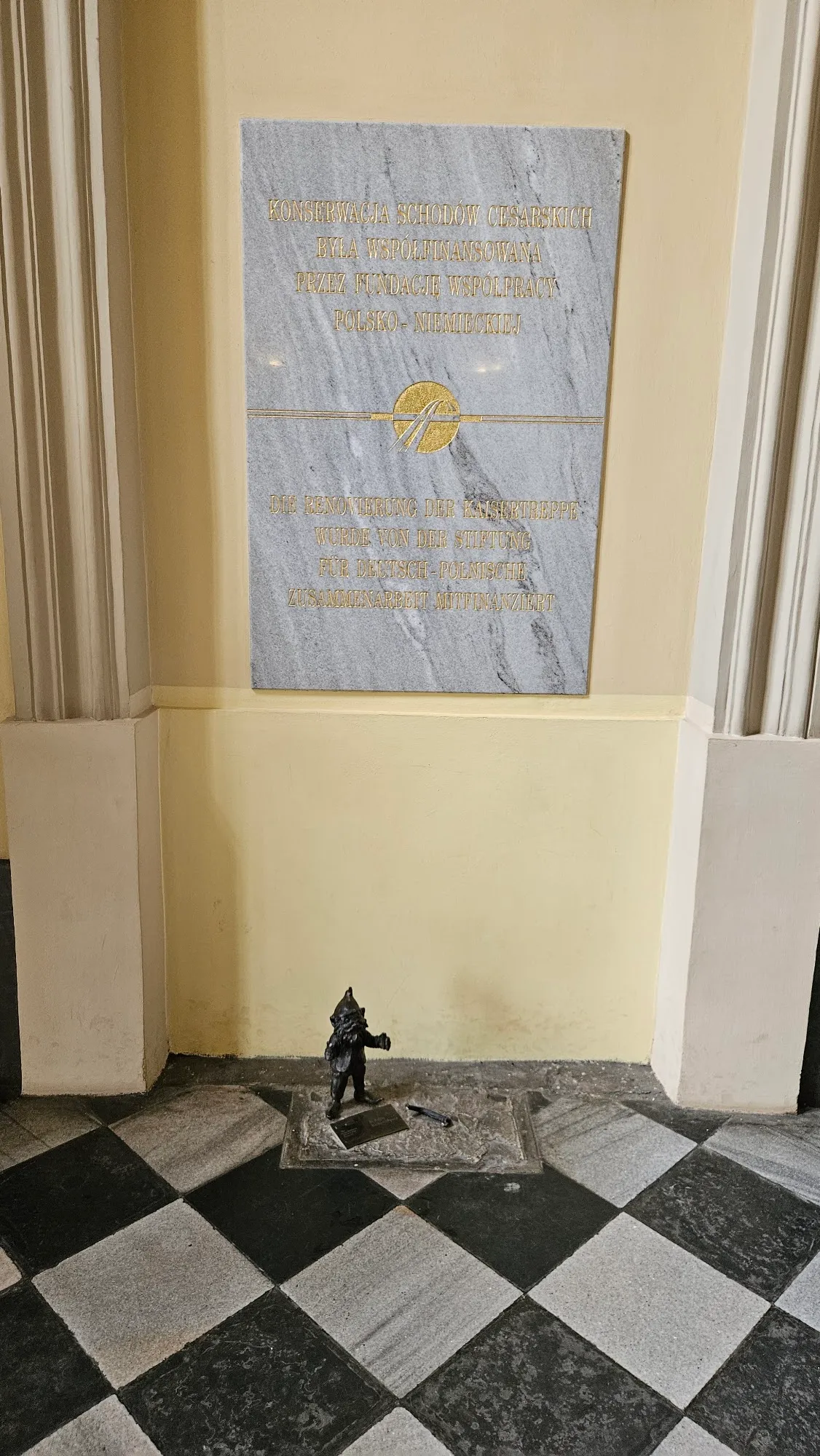
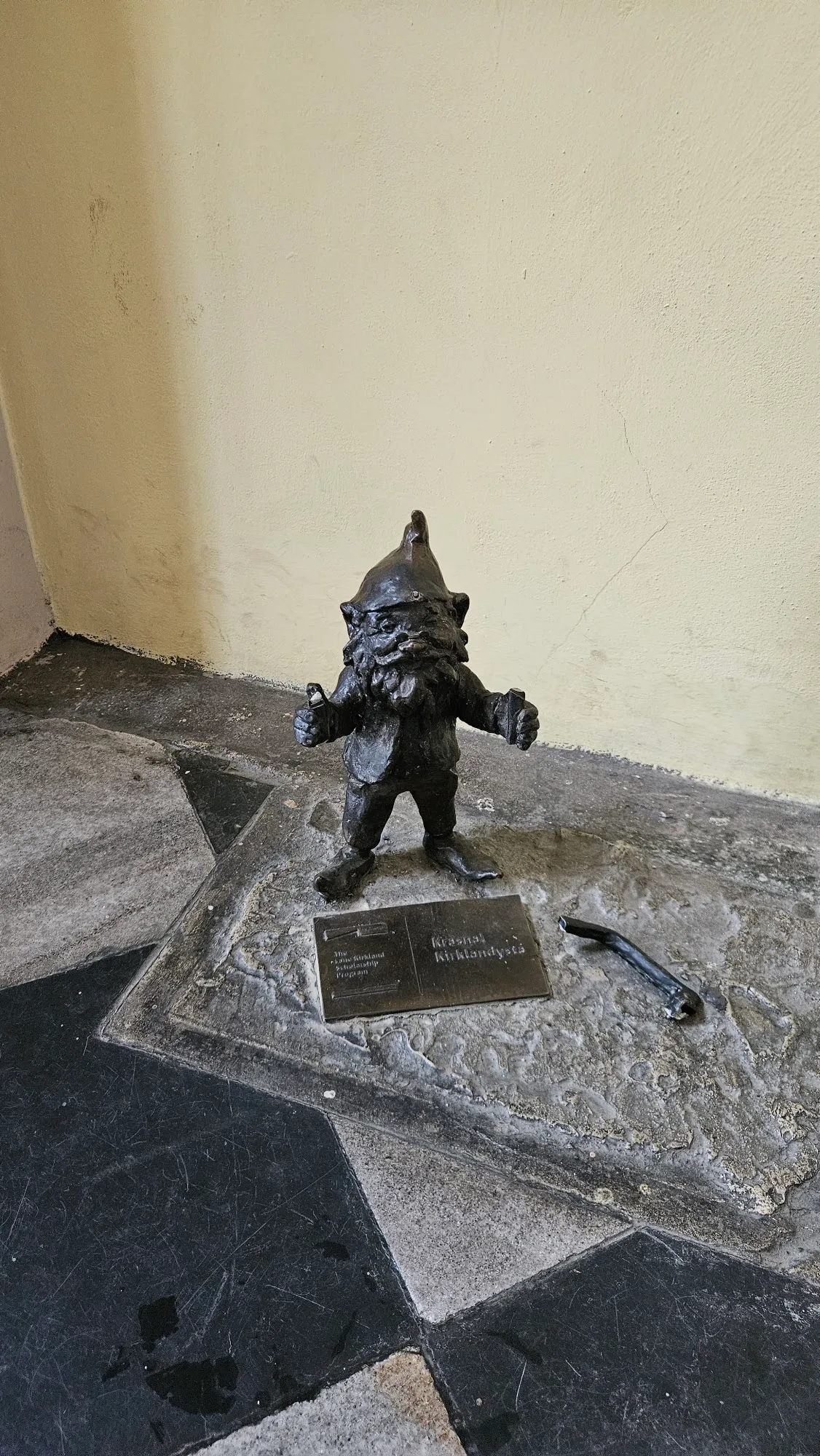
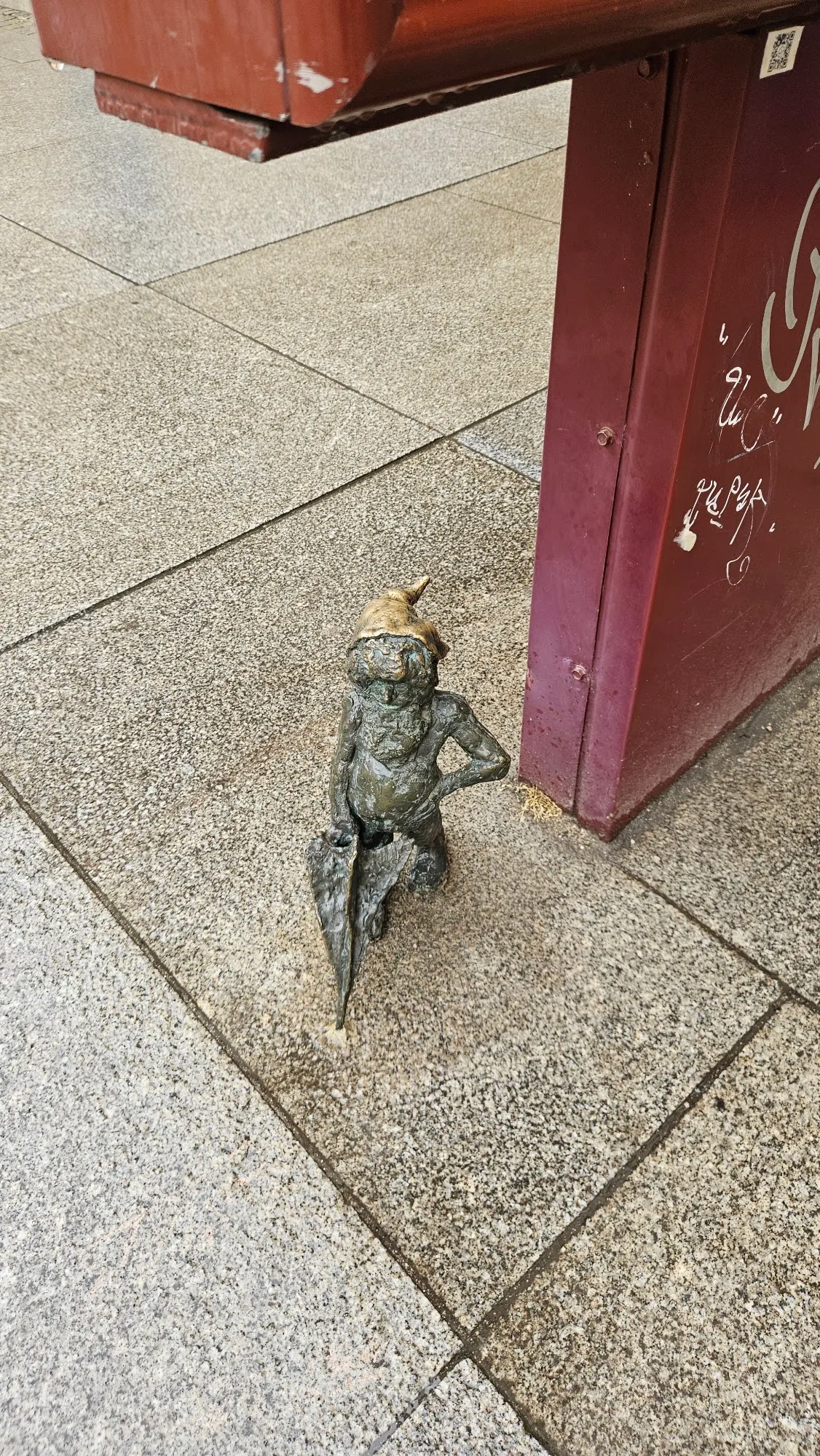
Wrocław is full of little dwarfs (krasnale), placed all over the city. There are several hundred of them, like the ones in these photos.
I also visited the University of Wrocław, which looks really beautiful. Its main building is baroque, from the 18th century, and it’s hard to believe it came through the communist years looking this good.
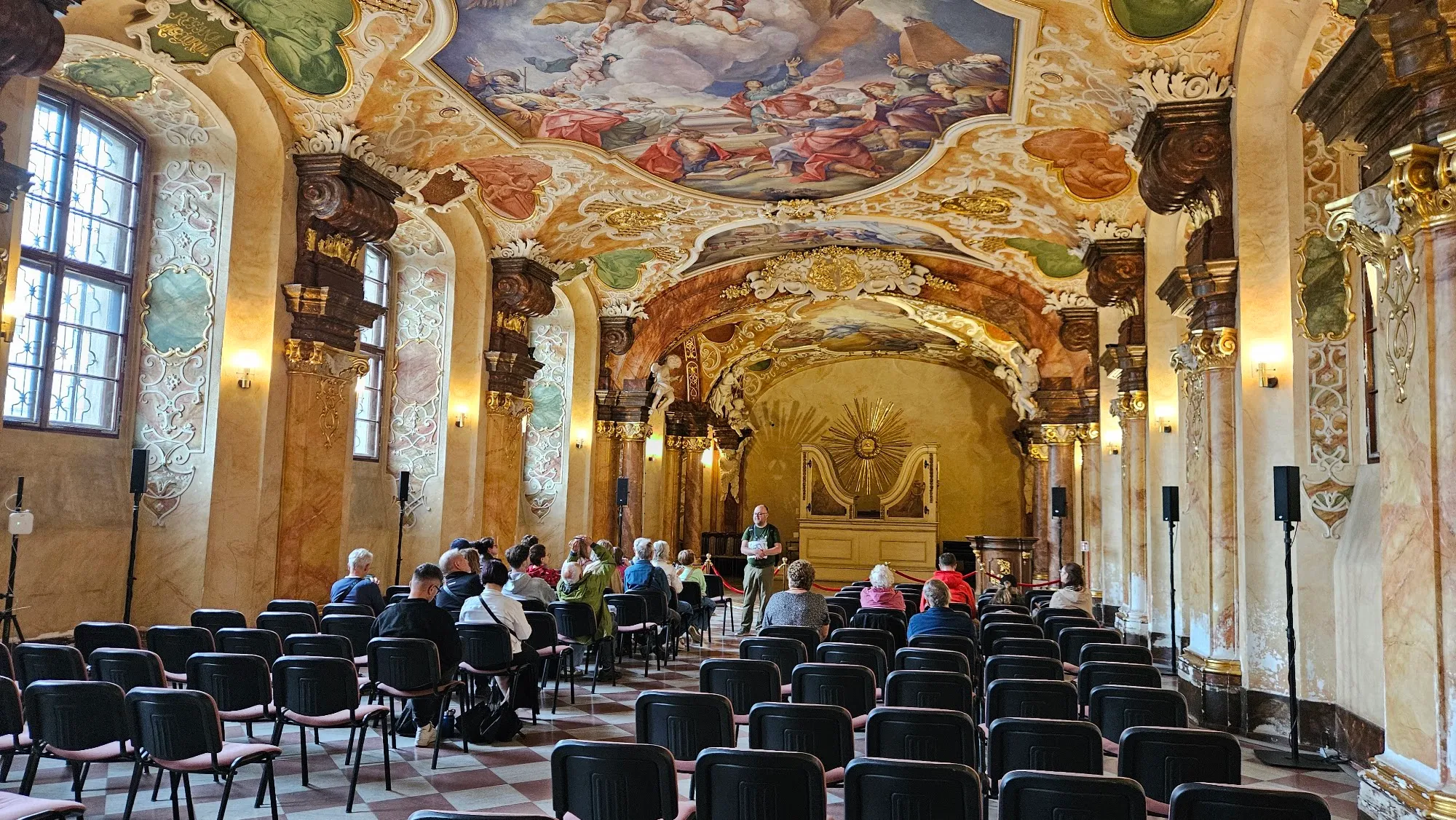
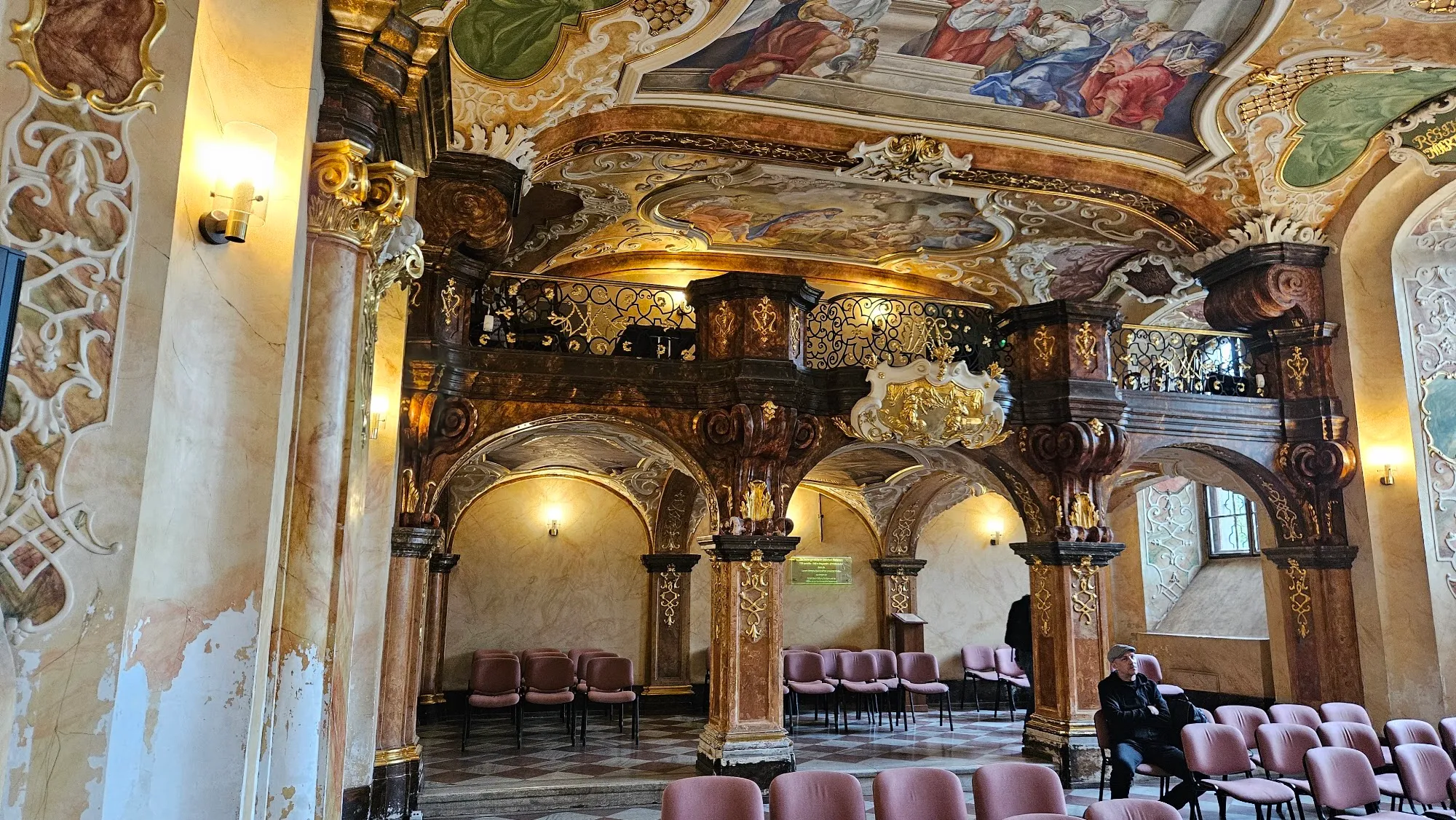
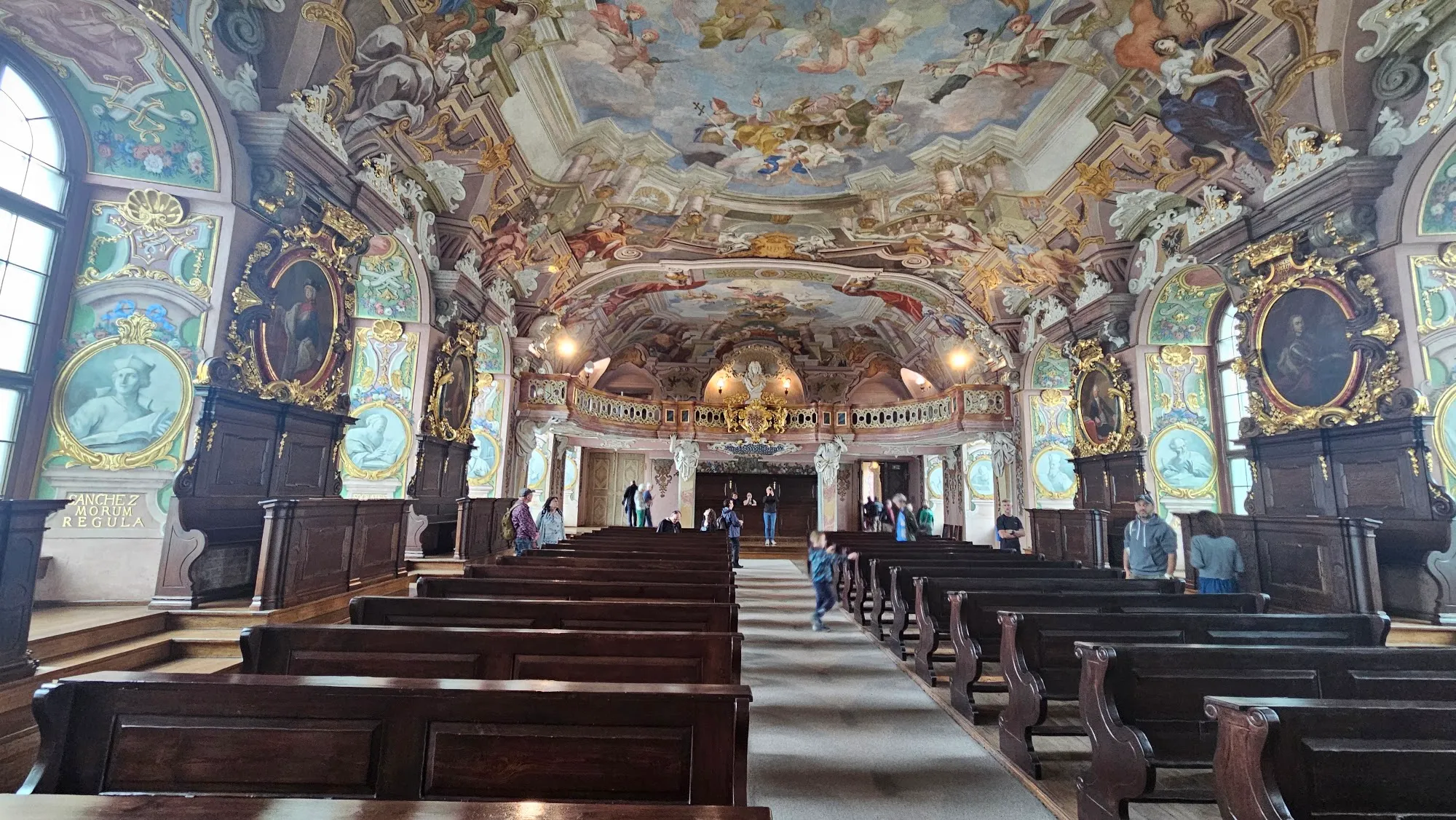
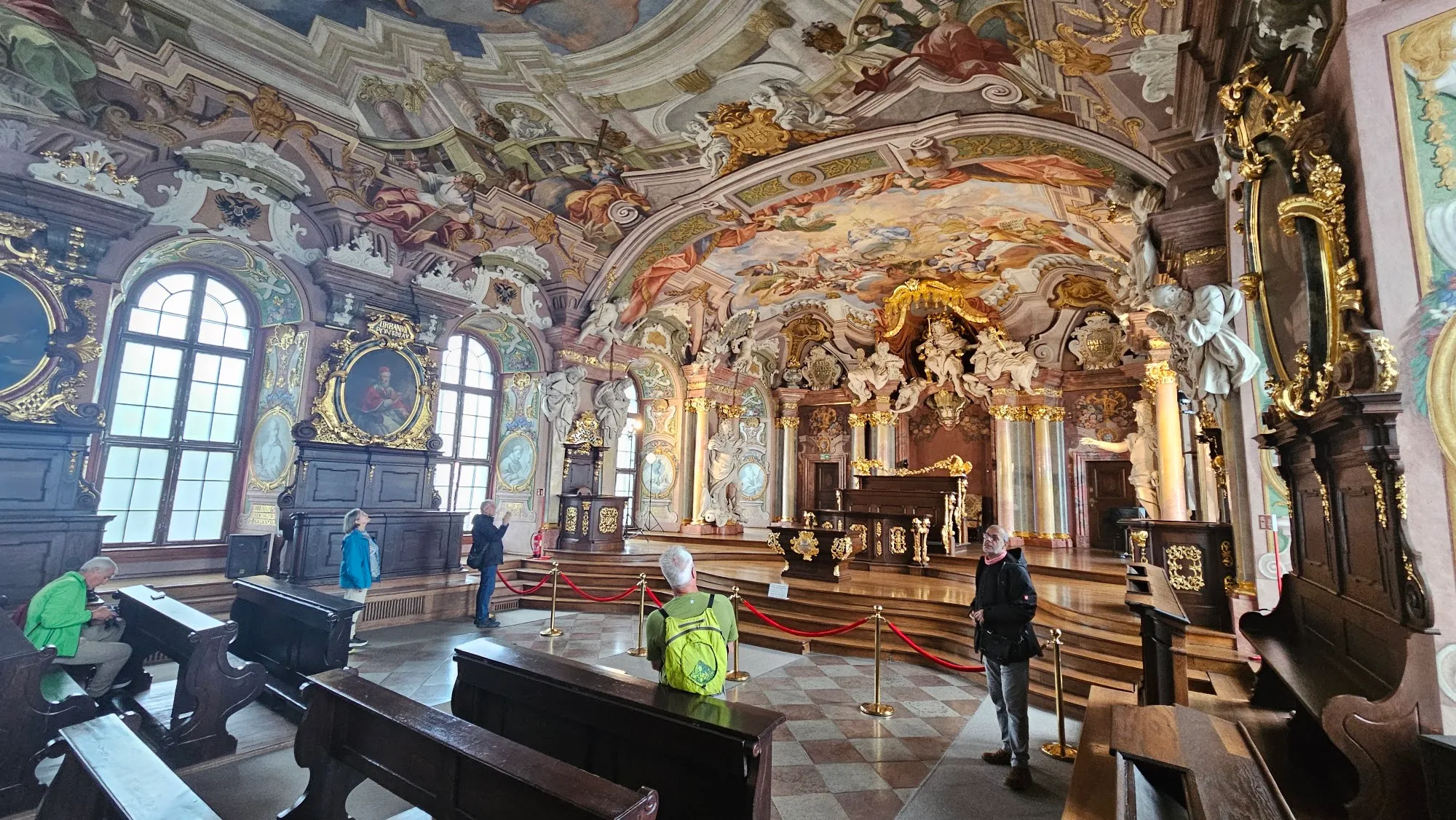
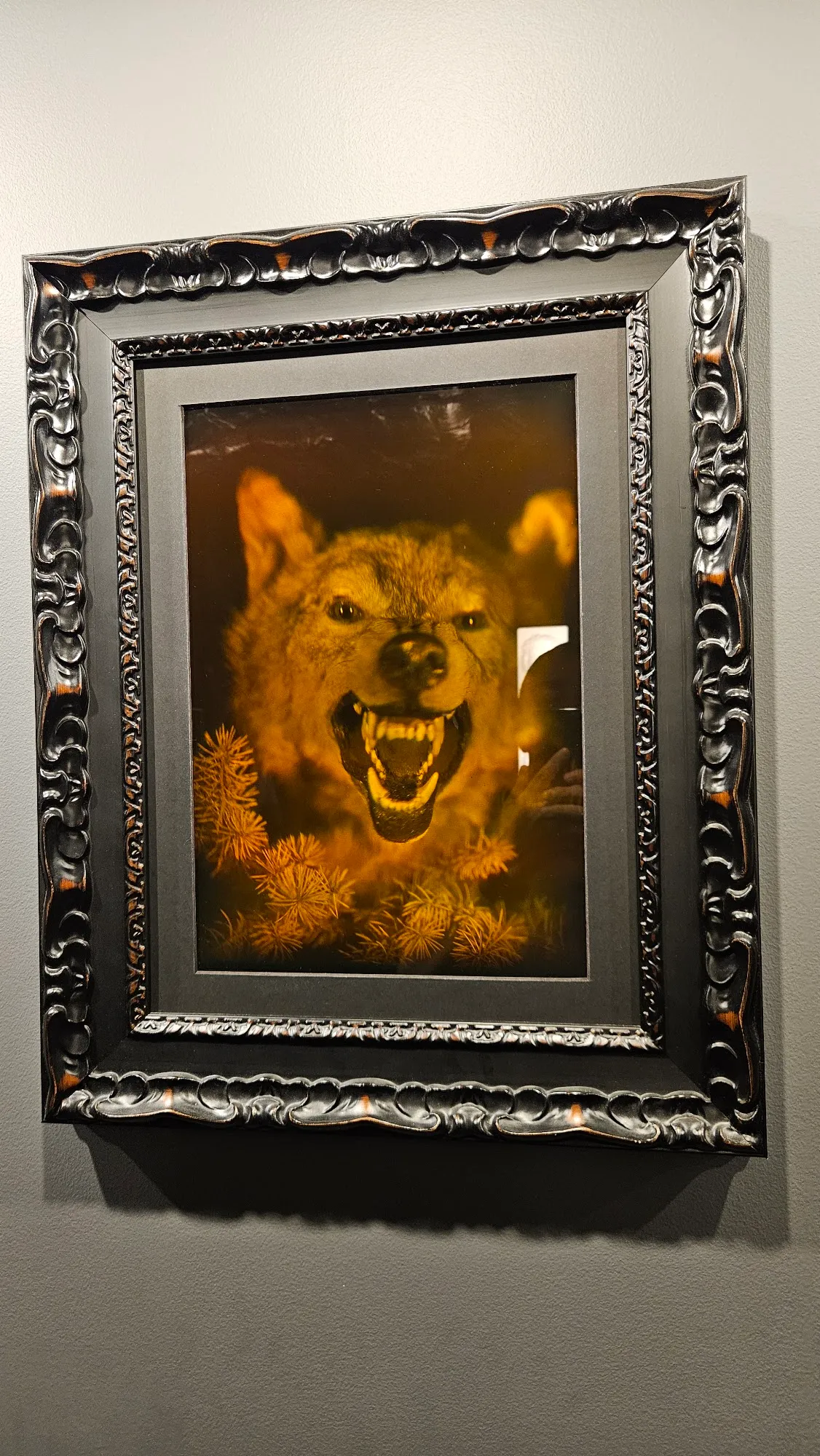
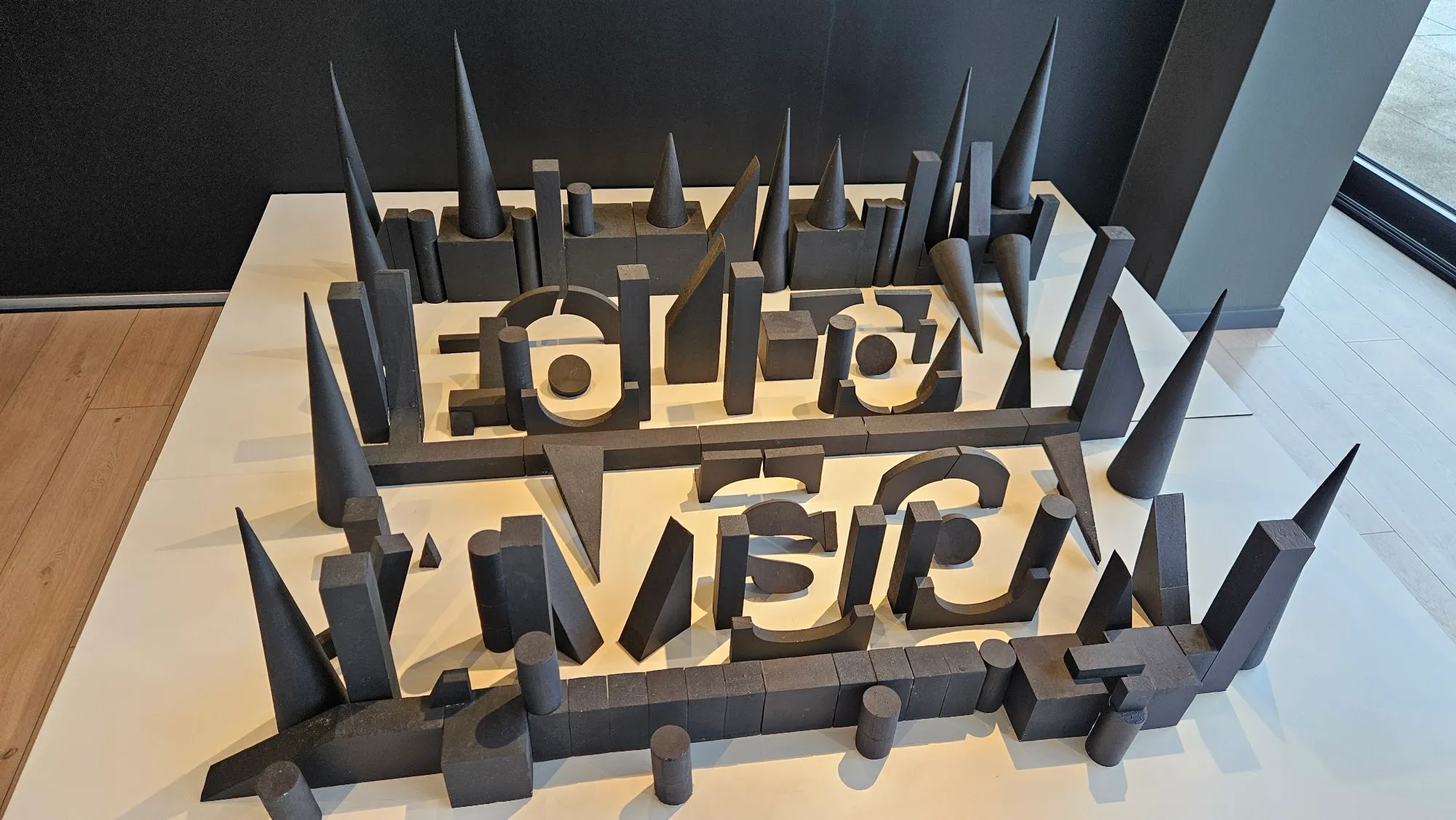
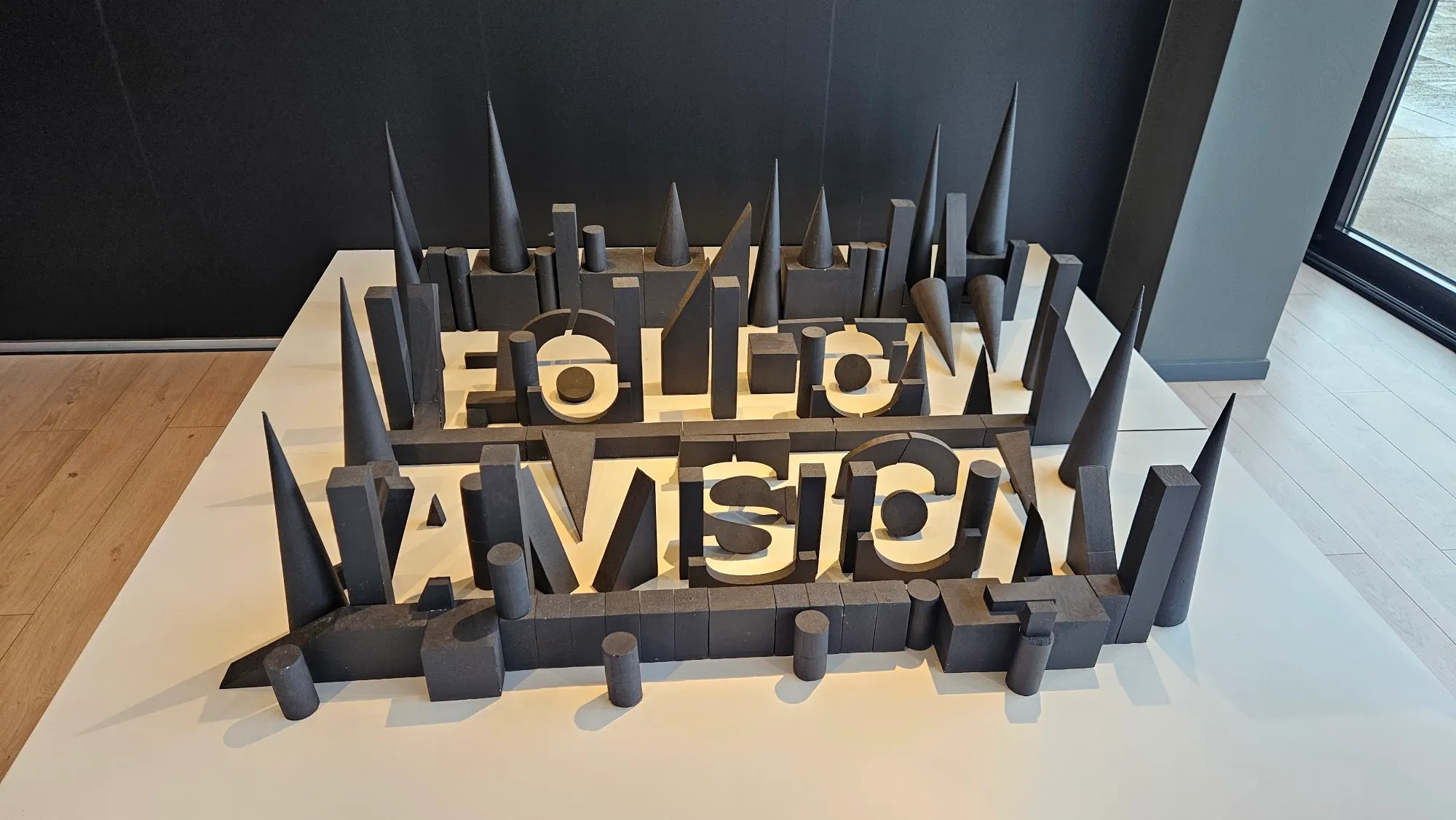
I also visited the Museum of Illusions. It’s small, but it’s good for the day before a race, because it doesn’t tire you out. I wouldn’t go out of my way for it, but if you have nothing else planned, it’s fine.
Race Day
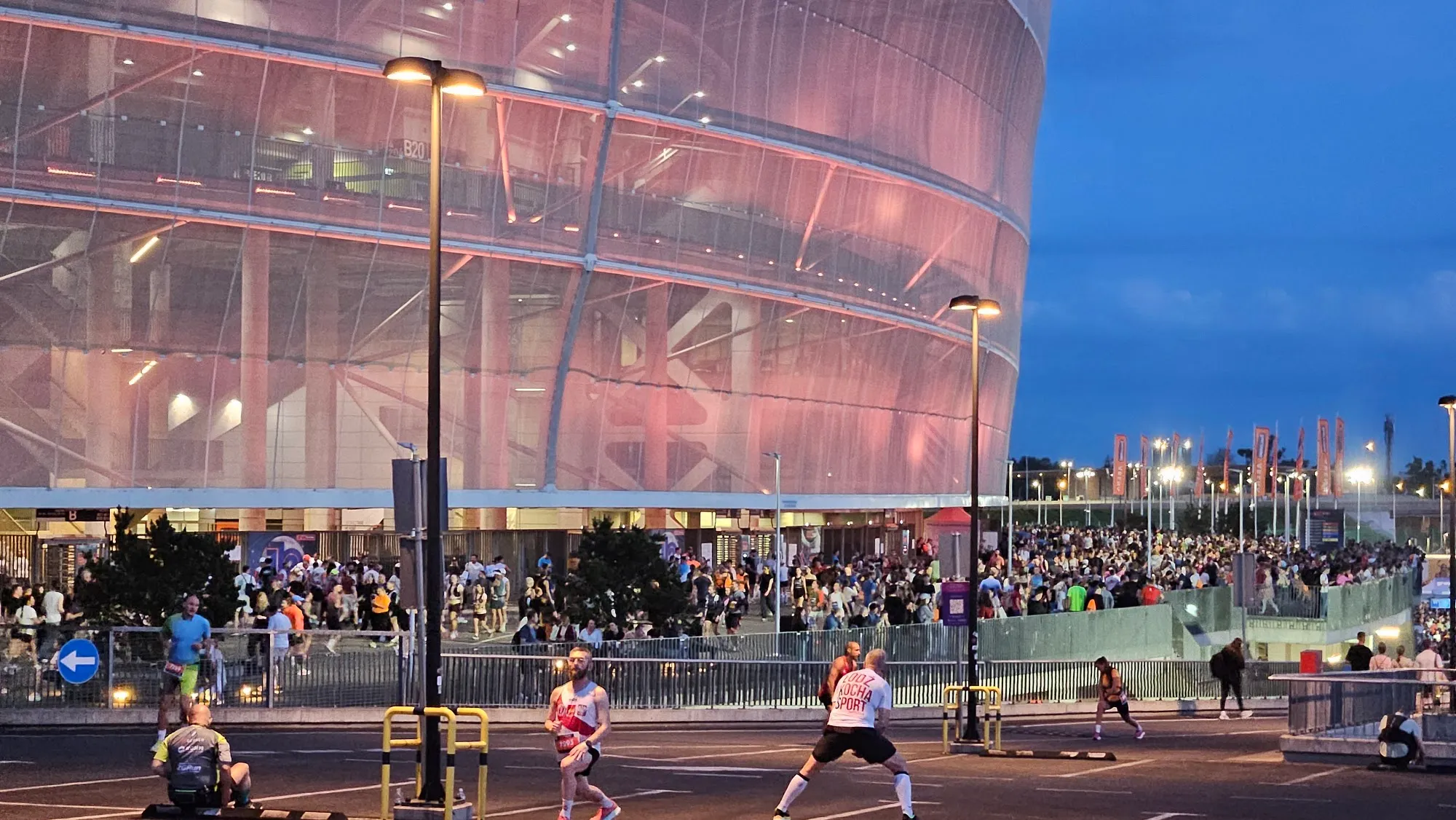
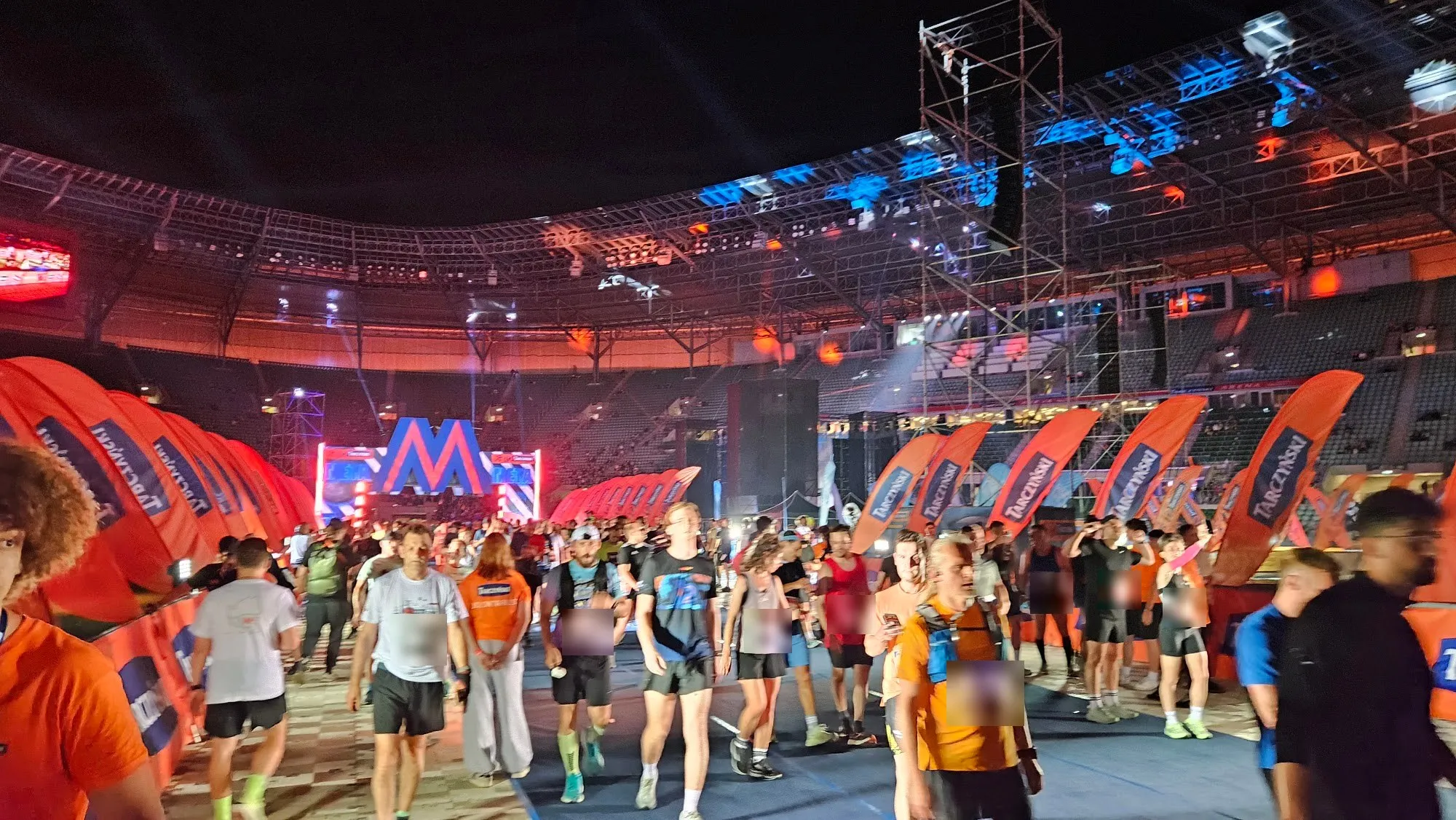
Another stadium start! Like Warsaw, Wrocław starts the race at the city’s stadium, and I think it’s a very convenient way to organise a race.
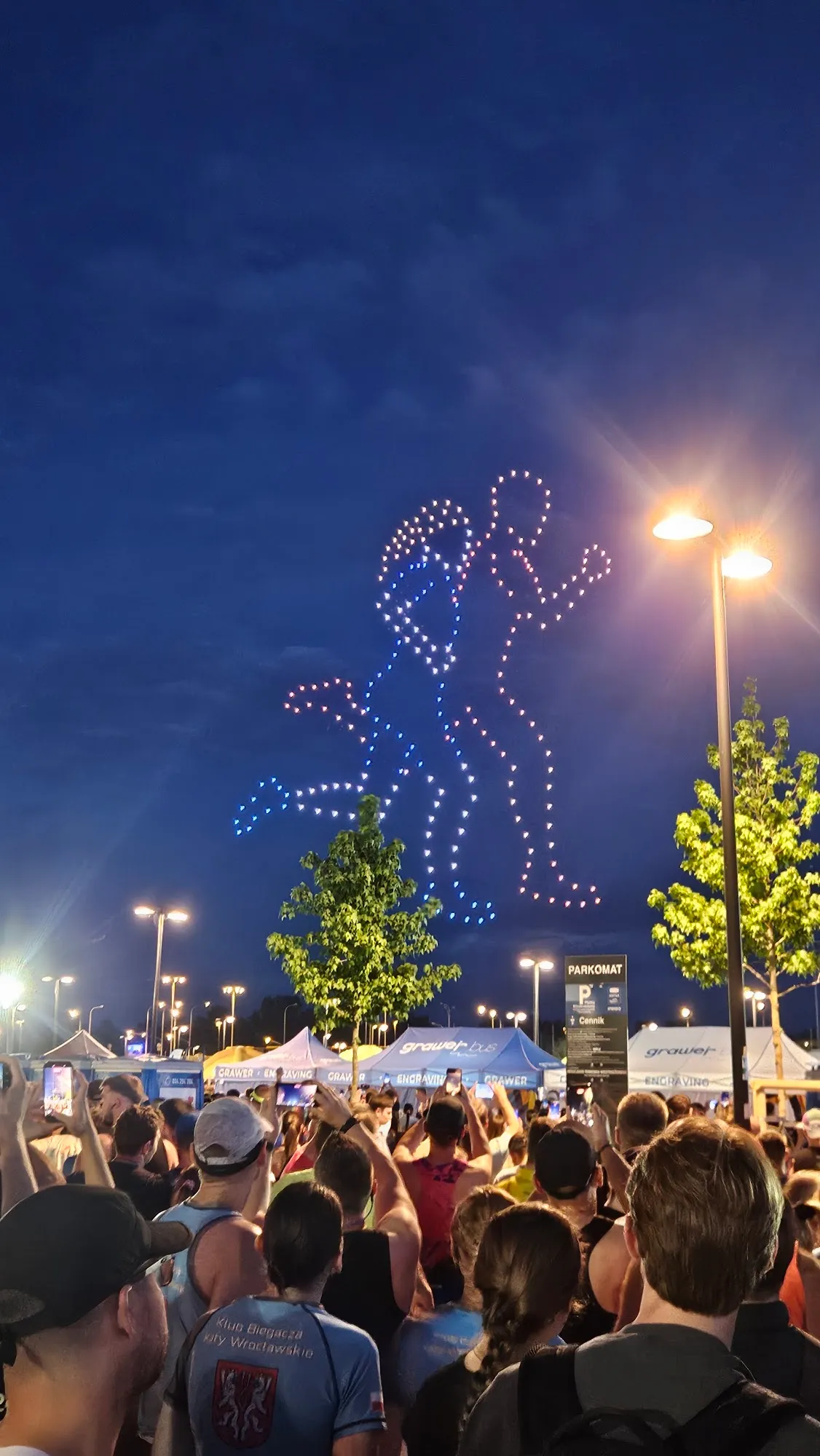
Being a night race, though, it had a surprise in store: a show of lit-up drones that wrote all kinds of messages and drew pictures in the sky. I had no idea you could actually draw with drones!
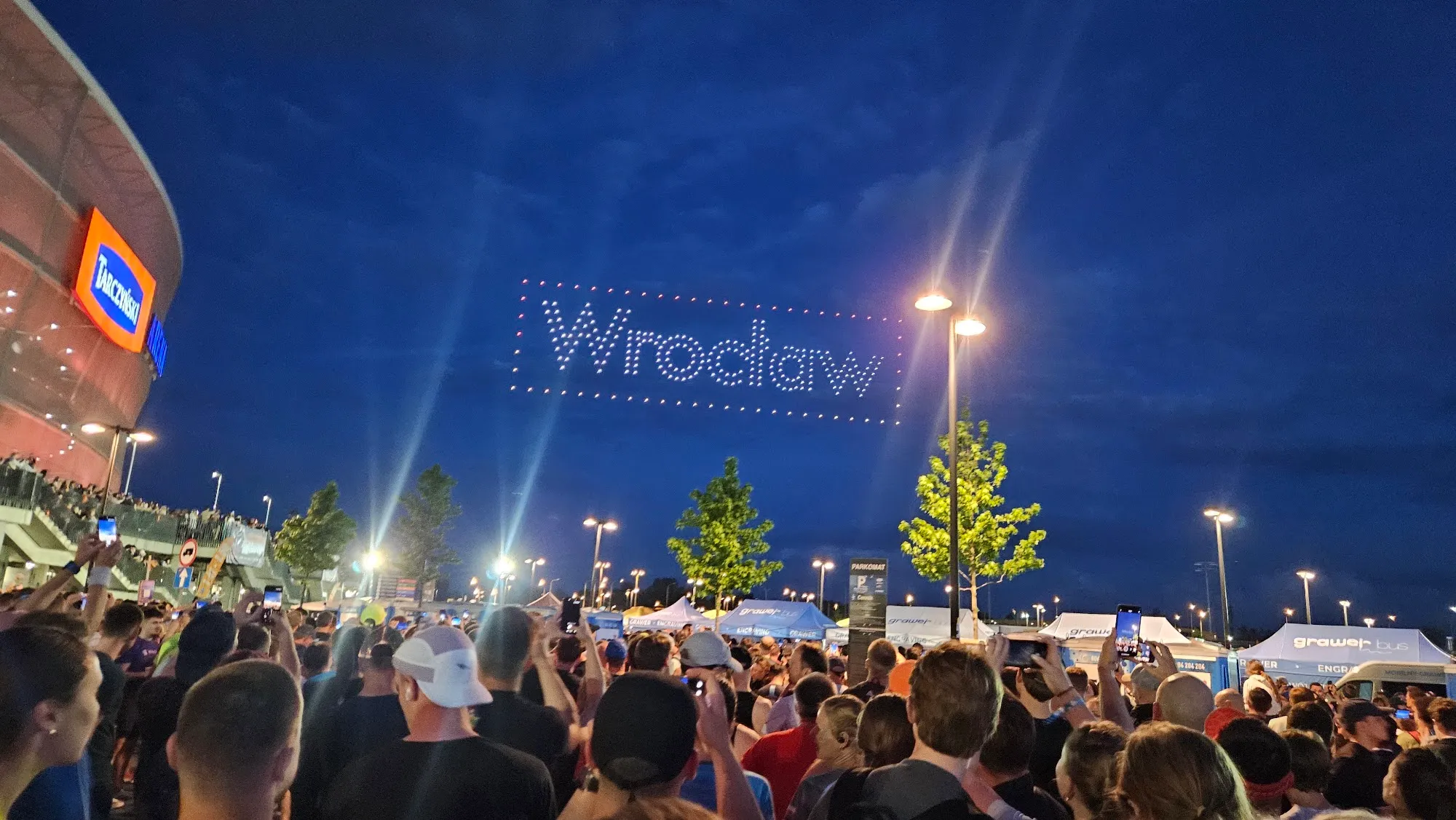
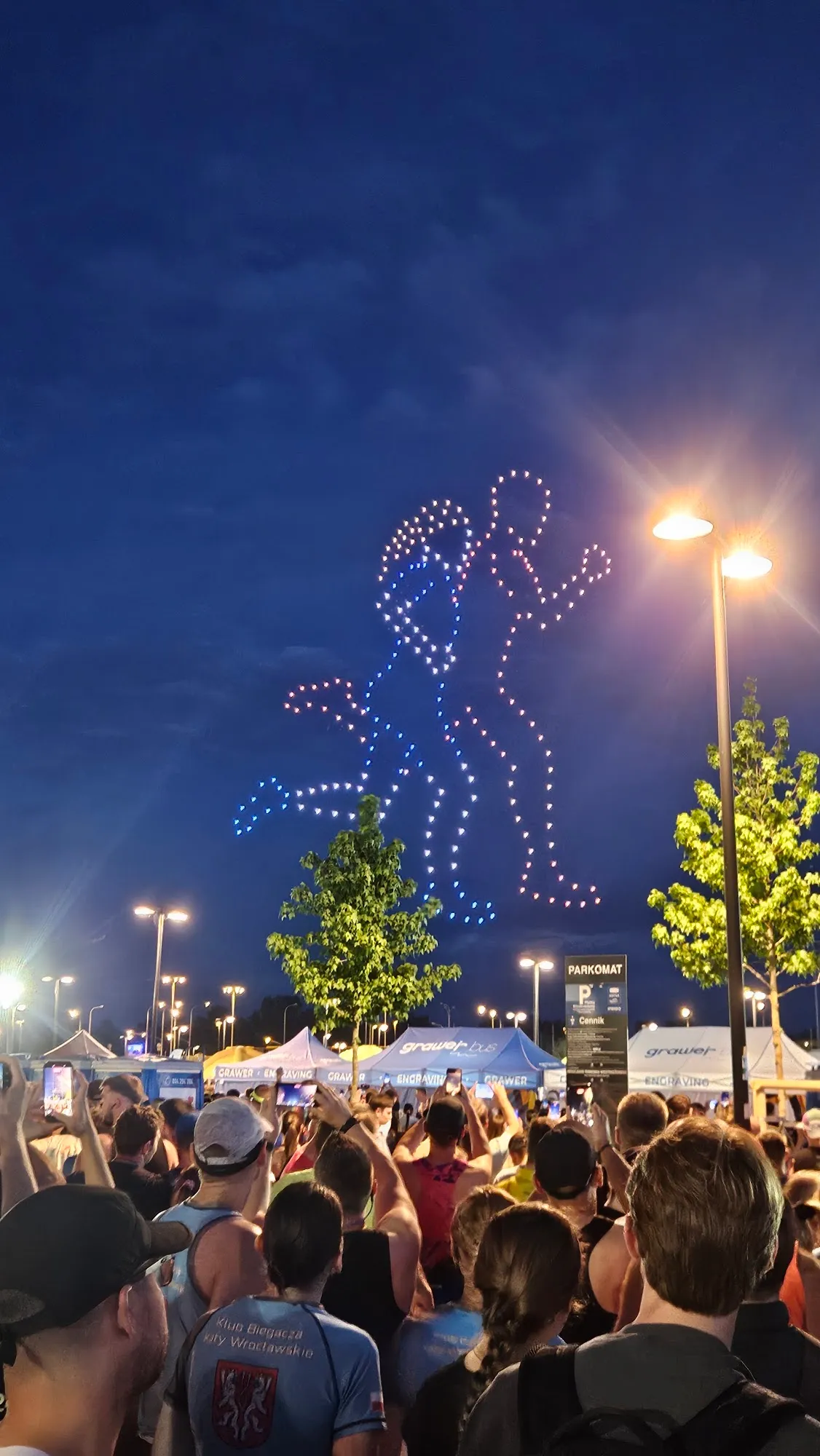
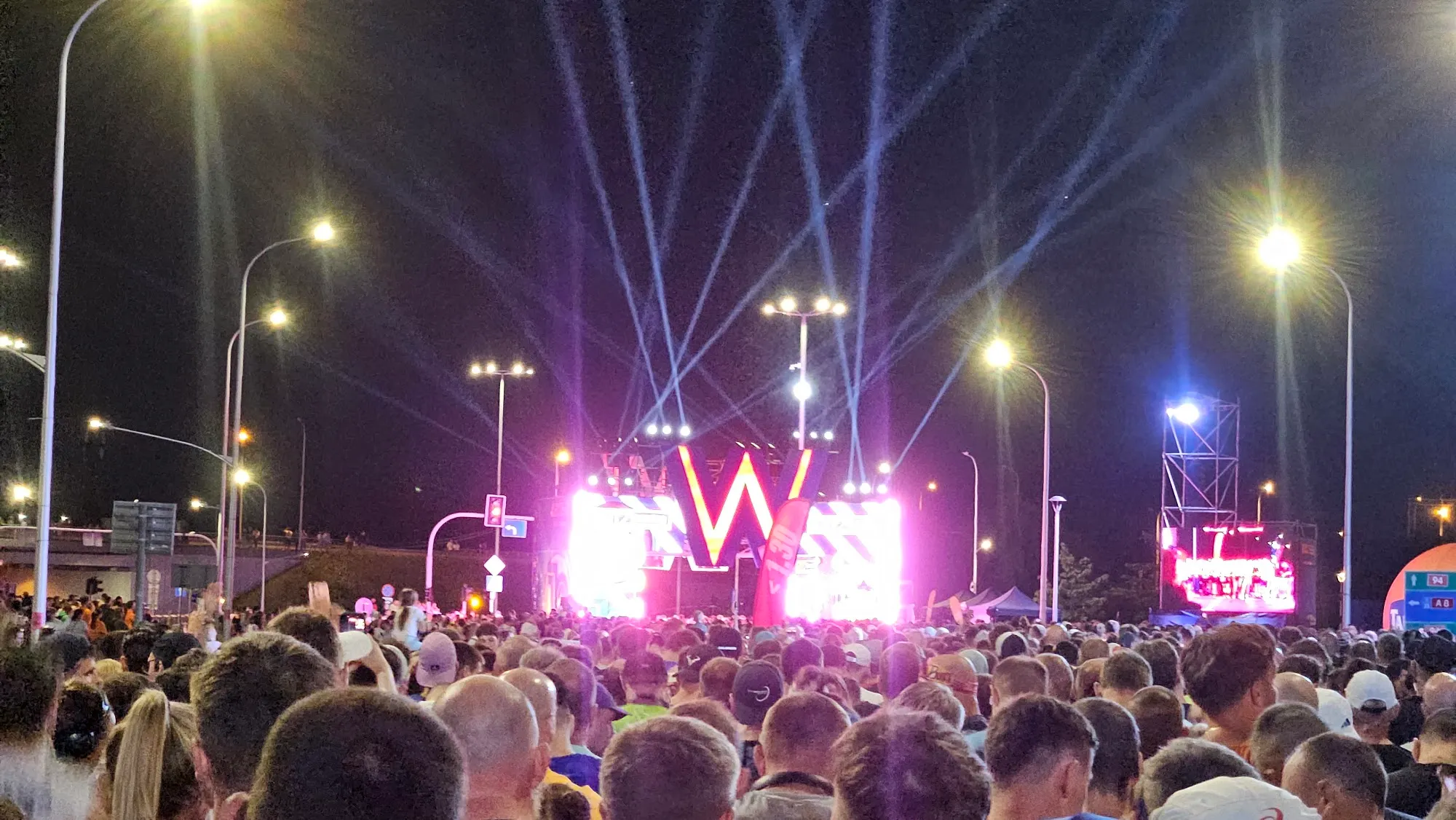
The race started after dark, and the start area was quite crowded: we struggled to find a spot where we could warm up. But unlike some other races, I can tell you the organisation was good. There were plenty of trams, so we got there in time, and they weren’t packed.
I think the only downside was that we lined up in the start area quite a long time before the start, so we spent a lot of time on our feet. I could still feel it in my legs when the race started, but I quickly forgot about it, because the whole race was a light show. My adrenaline shot up, and I set off determined to run a good time.
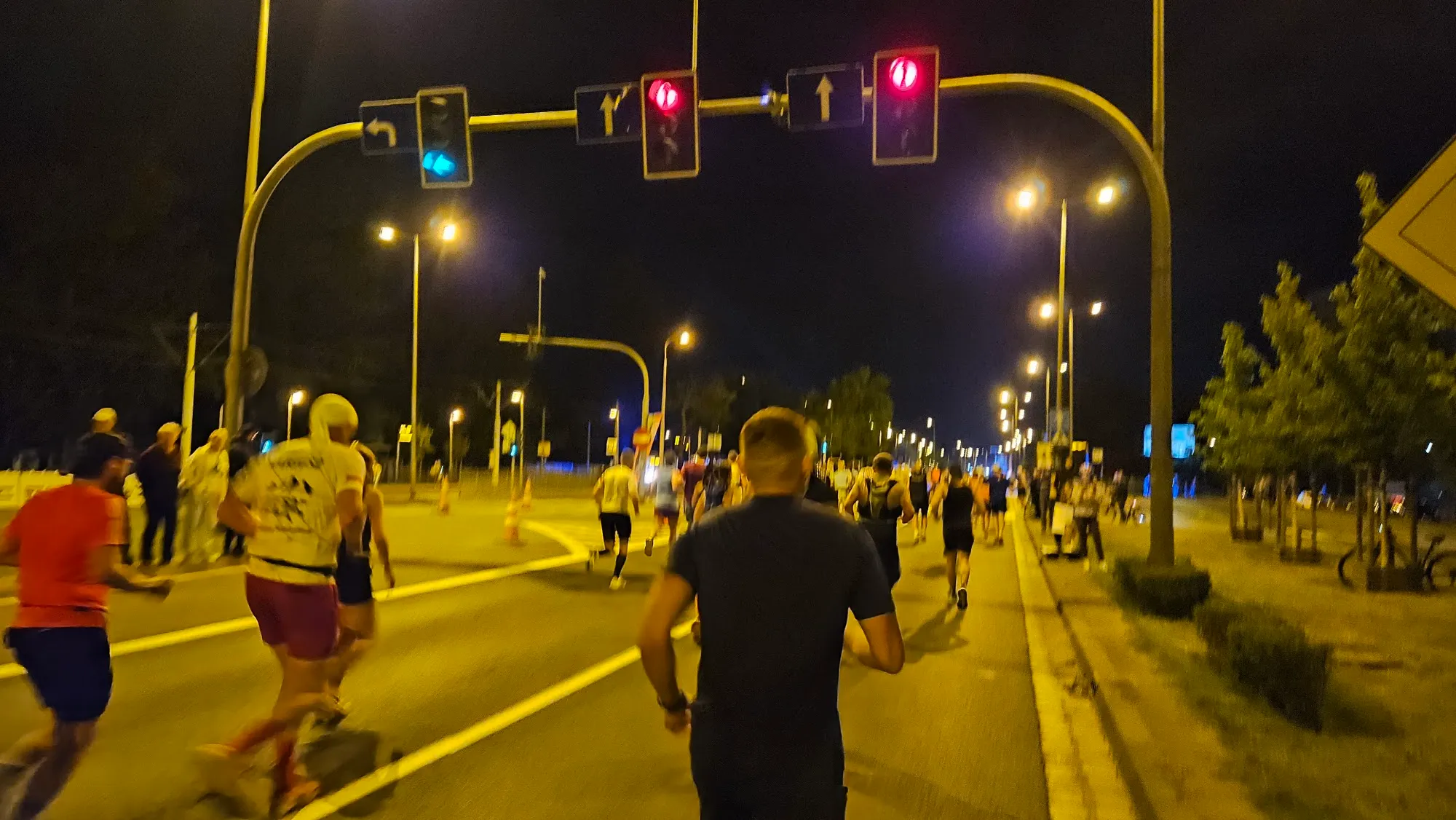
I expected a flat race, with no climbs or descents. The only catch, I thought, was that it was at night, but I figured the city would still be well lit.
In the first 2 km, there’s a stretch with a light show: spotlights set up on the grass, pointing upwards. It looks great, but it makes the asphalt very hard to see. I ran that part a little scared, lifting my feet as high as I could, but that was all, because there was nothing on the road to trip over.
Before this race, I had watched Fredrik Zillén’s online course on running technique, and I was trying to put what I’d learned into practice.
Still, I started the race fairly well, and it looked like it would be a good one, especially as I was holding a steady pace. But at around km 10–11, I felt a slight pain in my left knee. It got worse with every kilometre, and at one point I was afraid to stop at an aid station, because I didn’t think I’d be able to get going again.
That’s exactly what happened at km 15: after I drank some water, it was very hard to pick up speed again. From then on, I ran slower and slower, until I had to stop running altogether. I think I walked from about km 17 to the finish.
If it hadn’t been for the Polish Crown, I would have pulled out of the race. But I had to finish it no matter what, so I did the maths: I would still get a decent time and finish well within the official time limit.
At the end, because the finish was inside the arena and the atmosphere was great, I forced myself to run the last 200 metres, so that I’d appear in the photos running, not walking. That’s exactly what happened, though it didn’t do much for my time.
The Numbers
| Wrocław 2026 | |
|---|---|
| Official time | 2:03:59 |
| 5 km splits (watch) | 24:59 · 25:09 · 26:02 · 36:07 |
| First vs. second 10 km | 50:08 vs. 1:02:09 |
| Km 16 to 21 | 5:33 · 6:08 · 6:35 · 8:42 · 9:09 · 8:52 |
| Heart rate | avg 158, max 170 |
| Cadence | about 184 steps/min running, 143 walking |
| Weather | 18°C (64°F), real feel 18°C (64°F), overcast, 60% humidity, after dark |
| Polish Crown so far | Warsaw 1:42:08 · Poznań 1:47:04 · Wrocław 2:03:59 |
Final Thoughts
I was surprised that, even though I couldn’t run for almost the last 5 km and had to walk, I still finished in 2:03. I find that remarkable.
Even though the start and finish area was very crowded, I think the organisation was good overall, especially because after the race I found a tram very easily. I didn’t have to squeeze in with other runners to get back to the hotel: the tram was comfortably full, not packed.
I also loved the atmosphere. It felt like an evening celebration, with lots of people coming out to watch the race and to run it. It’s a big race and a beautiful one, and I recommend it.
Afterwards
Obviously, the knee problem took me by surprise, so I started reading more and more to find out what I had done wrong. In the end, I found my big mistake. I had misunderstood part of the course and was pushing off the ground with my foot as hard as I could, which put a lot of pressure on my knee.
It’s wrong anyway: the longer your foot stays on the ground while you push, the longer your ground contact time. So in reality, it made me slower, and it caused my injury.
Running it yourself?Plan this race with euroslam.run →Date, race-week weather and hotels near the start.EuroSlam is my own free side project. Some hotel links on the site earn me a small commission, at no extra cost to you.
I'm a recreational runner with an office job, testing running science on my own legs. More about me.