Why Runners Outpace Aging
My Fellow Runners, Keep Moving Toward a Longer, Better Life
This post contains Amazon affiliate links. If you buy through them, I may earn a small commission at no extra cost to you.
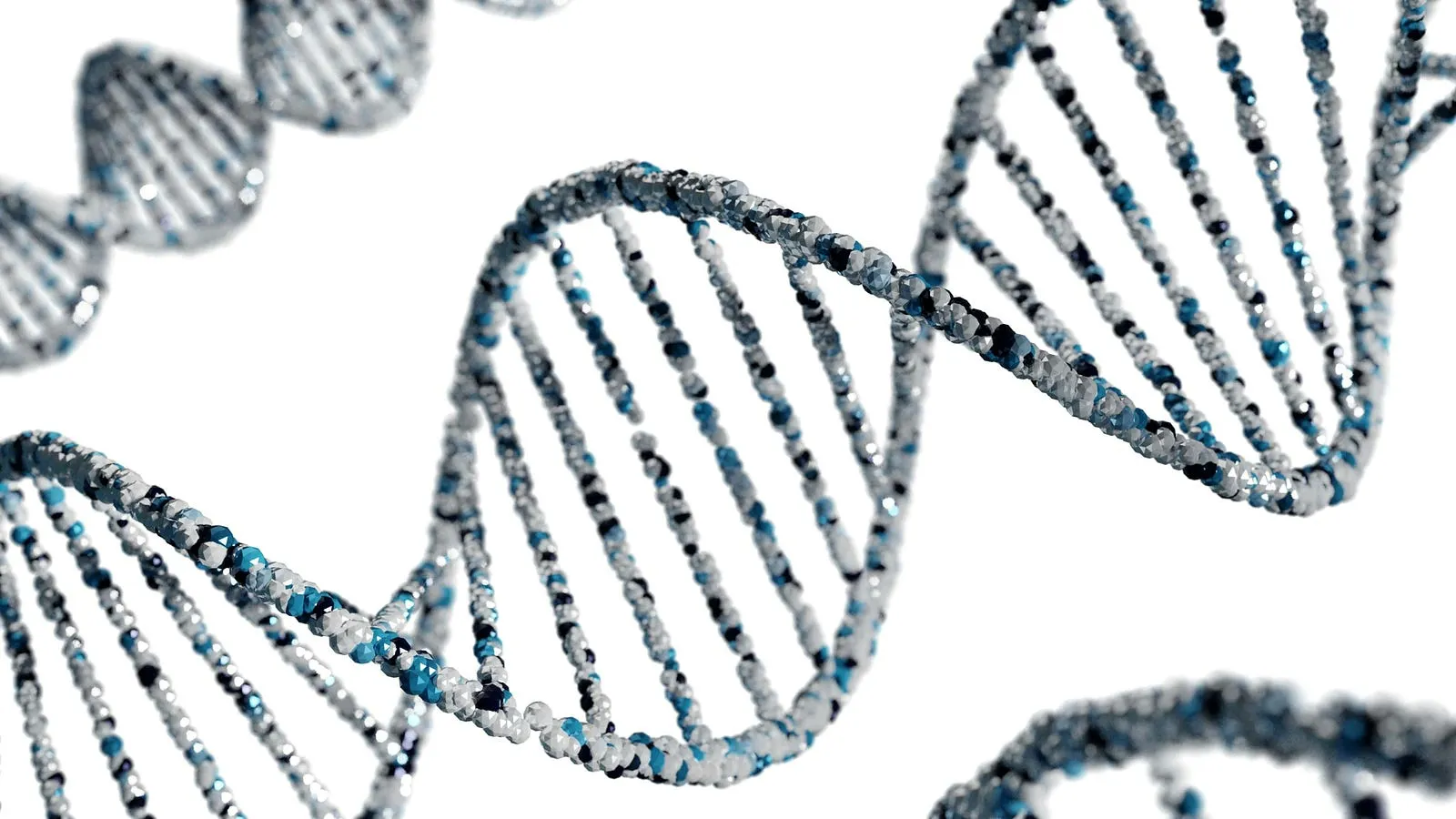
Recently, I read The Glucose Revolution, and I guess I talked about the book too much around the house, so I wasn’t too surprised to find a new book, Lifespan, under the Christmas tree. I picked it up, placed it on my nightstand on top of two or three other books, and started reading it before bed. Slowly but surely, I became captivated by the book.
Although I don’t think it’s an easy read for someone without much knowledge of genetics and DNA, it completely drew me in, and I couldn’t put it down.
To summarize, the main idea of the book is that aging should be treated as a disease starting from a young age, and it explores ways to slow down aging or improve the quality of life as we grow older.
Apparently — something I didn’t know — a certain number of genes in the human genome are also present in the yeast genome. This allows for the study of effects related to cell division, DNA repair, energy metabolism, and mitochondrial function.
Yeasts, although simple, offer us a “window” into the fundamental biological processes common to all organisms. A lot of research is conducted on yeast, worms, and fruit flies, and when those studies yield results, the research progresses to mice.
I won’t go into too much detail because I don’t have as strong a grasp on genetics as I’d like, but I’ll leave you to read the book. I’ve included a link at the end of the article.
Aging & Sirtuins
Aging is a complex biological process driven by the accumulation of damage to our cells and tissues over time. This damage stems from factors such as DNA mutations, oxidative stress, and the gradual decline of cellular repair mechanisms. As we age, our cells lose their ability to divide and function efficiently, and essential processes like mitochondrial energy production slow down. Chronic inflammation, the buildup of senescent (damaged but non-functional) cells, and the shortening of telomeres — protective caps on the ends of chromosomes — also contribute to the aging process.
While aging is inevitable, research suggests that lifestyle choices such as regular exercise, healthy eating, and stress management can slow these processes and improve health span — the period of life spent in good health.
From what I understand, everything related to aging seems to revolve around sirtuins. Sirtuins are a family of proteins that play a key role in aging, metabolism, and cellular health, forming the central theme of Lifespan by David Sinclair.
Sirtuins are NAD⁺-dependent enzymes that regulate essential biological processes. In mammals, there are seven known types (SIRT1 to SIRT7), distributed in different parts of the cell:
- SIRT1, SIRT6, SIRT7: Found in the nucleus.
- SIRT3, SIRT4, SIRT5: Found in mitochondria.
- SIRT2: Found in the cytoplasm.
To function, sirtuins require NAD⁺ (nicotinamide adenine dinucleotide), a coenzyme critical for energy metabolism. Without sufficient NAD⁺ levels, sirtuins are unable to perform their tasks.
Sirtuins are involved in numerous processes, including:
- DNA Repair: Helping repair damage that accumulates with age.
- Regulation of Gene Expression: Silencing or activating genes, especially those linked to stress responses and metabolism.
- Mitochondrial Health: Enhancing mitochondrial function for efficient energy production.
- Inflammation Reduction: Suppressing chronic inflammation associated with age-related diseases.
- Metabolic Regulation: Managing processes like insulin sensitivity, fat metabolism, and glucose utilization.
- Cellular Stress Resistance: Improving cellular survival under stress conditions like oxidative damage or low energy availability.
This intricate role of sirtuins highlights their significance in aging research and why they are central to strategies for improving longevity and health.
The book emphasizes SIRT1 and SIRT2 because they are among the most studied sirtuins and deeply involved in cellular processes related to aging and longevity:
- SIRT1 is often called the “master regulator” due to its wide-reaching impact on health and longevity.
- SIRT2 is linked to brain health and neuroprotection, making it a potential target for therapies aimed at combating neurodegenerative diseases.
How Can You Activate Sirtuins?
Certain lifestyle choices and molecules can enhance sirtuin activity:
- Caloric Restriction and Fasting: Increases NAD⁺ levels and sirtuin activity by mimicking stress conditions, prompting protective pathways in cells.
- Exercise: Boosts mitochondrial health and sirtuin activation.
- Heat and Cold Exposure: Practices like sauna therapy or cold plunges stimulate sirtuin pathways.
Some supplements can also help, though I won’t mention them here because I haven’t had the time to research them thoroughly yet.
Running is one of the most effective ways to activate sirtuins, especially SIRT1, as it stimulates NAD⁺ production (an essential molecule for their function) and reduces oxidative stress.
- Tempo & easy runs: Light and steady workouts boost metabolism and support longevity.
- Speed works: Sprints and short, intense intervals increase mitochondrial activation and more strongly stimulate sirtuins.
- Long-Distance Runs: Endurance runs train metabolic resilience, support anti-inflammatory processes, and promote cellular health.
- Easy running (5–10 km) on an empty stomach or an interval training session.
- Fasting increases NAD⁺ levels and activates SIRT1 and SIRT2, mimicking a beneficial stress response in cells. Try the 16:8 method (fast for 16 hours and eat within an 8-hour window).
Running also activates SIRT2, and having a well-balanced training plan can simultaneously influence both SIRT1 and SIRT2, promoting cellular health and longevity.
As a runner, with a balanced training plan and the practice of fasting, you’re already doing quite a lot to activate sirtuins and enjoy a much better quality of life as you age. The main idea is to keep running, with the author of the book suggesting that significant improvements in life quality can be observed even if you start running at the age of 60+.
The author also mentions some supplements, which I’ve chosen not to discuss, but they seem to be trendy and widely talked about on the internet. For now, I’ve opted for the healthy approach — through exercise — and I’m still reading about supplements.
If I’ve piqued your interest, here’s my second affiliate link in case you’d like to read the book yourself:
Here is another article of mine, about what are the influencing factors on the half marathon finish times:
How I Shaved Nearly 3 Minutes Off My Half Marathon Personal Best
Thank you, and keep running!
I'm a recreational runner with an office job, testing running science on my own legs. More about me.