Eurospin RomaOstia Half Marathon 2025
Preparing for a good season
Italy is a great choice!
In Italy, I love the food, the people and the culture. It’s one of the best combinations in the world.
Roma-Ostia was my first race of the year, and part of my preparation for a good season.
About the Race
The RomaOstia Half Marathon was born on 31 March 1974, and on Sunday, 2 March 2025, it celebrated its 50th edition, with Eurospin as its title sponsor. It’s organised by the Gruppo Sportivo Bancari Romani (GSBR), and nearly 13,000 runners took part. It was an anniversary edition, and I’m glad I chose it.
As the name says, it takes you from Rome to the sea: you start in the EUR district, next to the PalaEUR sports arena, and finish at the big roundabout on the seafront at Ostia, mostly along Via Cristoforo Colombo. Overall, the course goes downhill, from about 40 m at the start to almost sea level at the finish. But in the middle, there’s one big climb: my watch measured almost 60 m of climbing in just 1.3 km, around km 11–12, and 106 m over the whole race.
Kenyans won both races. Gideon Rop won the men’s race in 58:49, and Ludwina Chepngetich won the women’s race in 1:08:20.
Despite the winners’ great times, I can tell you that the climb in the middle of the race really destroyed me, and I couldn’t recover after it. While I was struggling to get to the top, the 1:45 pacers passed me like a train. It was amazing to see how fast and steady they were, while I was falling apart.
Planning and Arrival
At first, I wanted to fly with TAROM, and I bought a direct return ticket, with no connection, which was a big plus. Unfortunately, because of changes at work, I couldn’t leave on the day of my ticket. TAROM flies direct, but it doesn’t have many options, because its fleet is small. So I had to cancel my TAROM ticket and buy one with Ryanair instead: it was the only flight available on Friday evening.
I stayed at the Hotel American Palace EUR, next to the Laurentina metro station, about 2 km from the start. So on race morning, I jogged to the start as my warm-up.
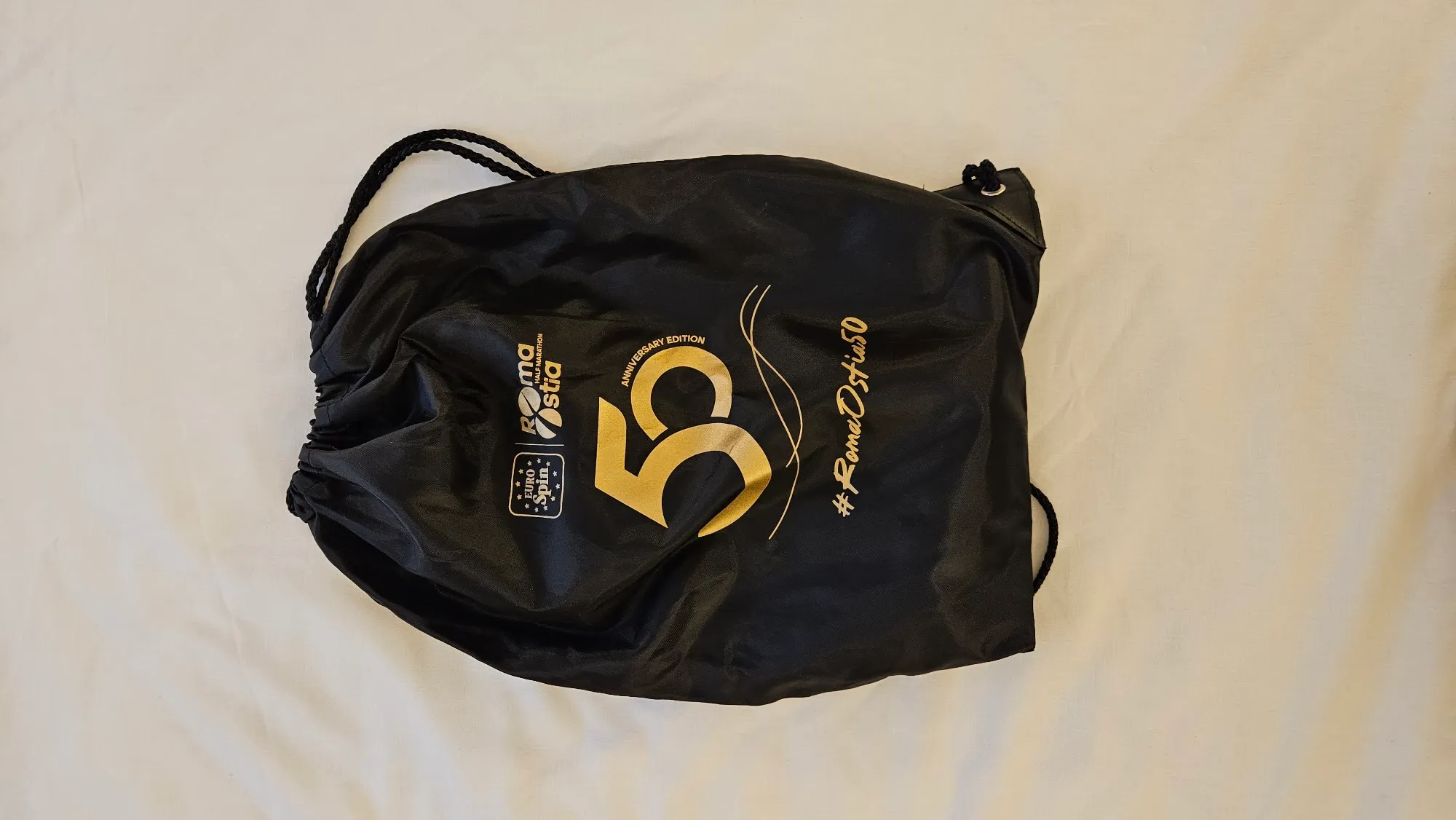
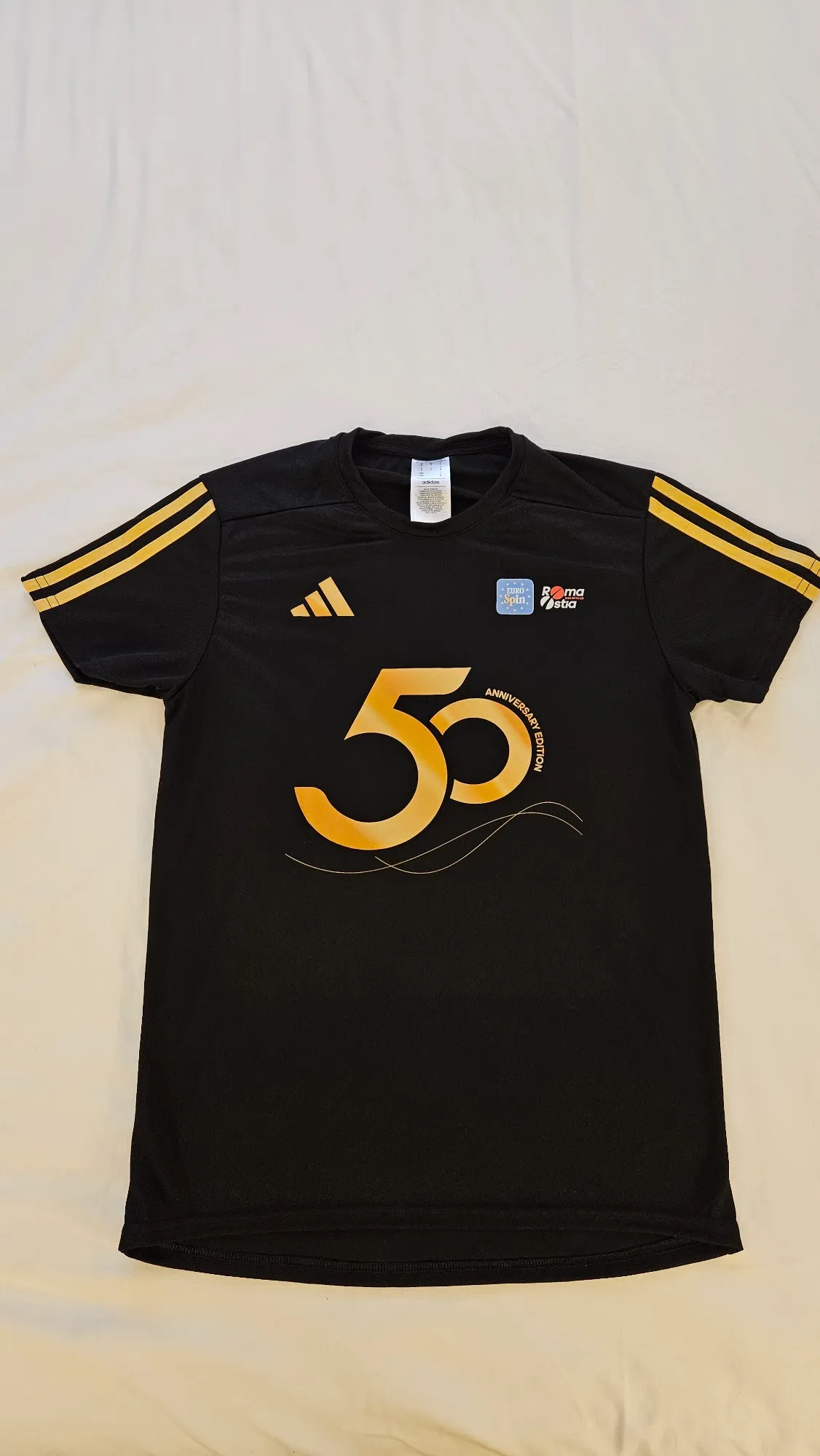
For the 50th edition, the race kit came with a bag and a T-shirt with a big gold “50”. I really liked the kit: the T-shirt, the bag and everything else in it.
Exploring the City
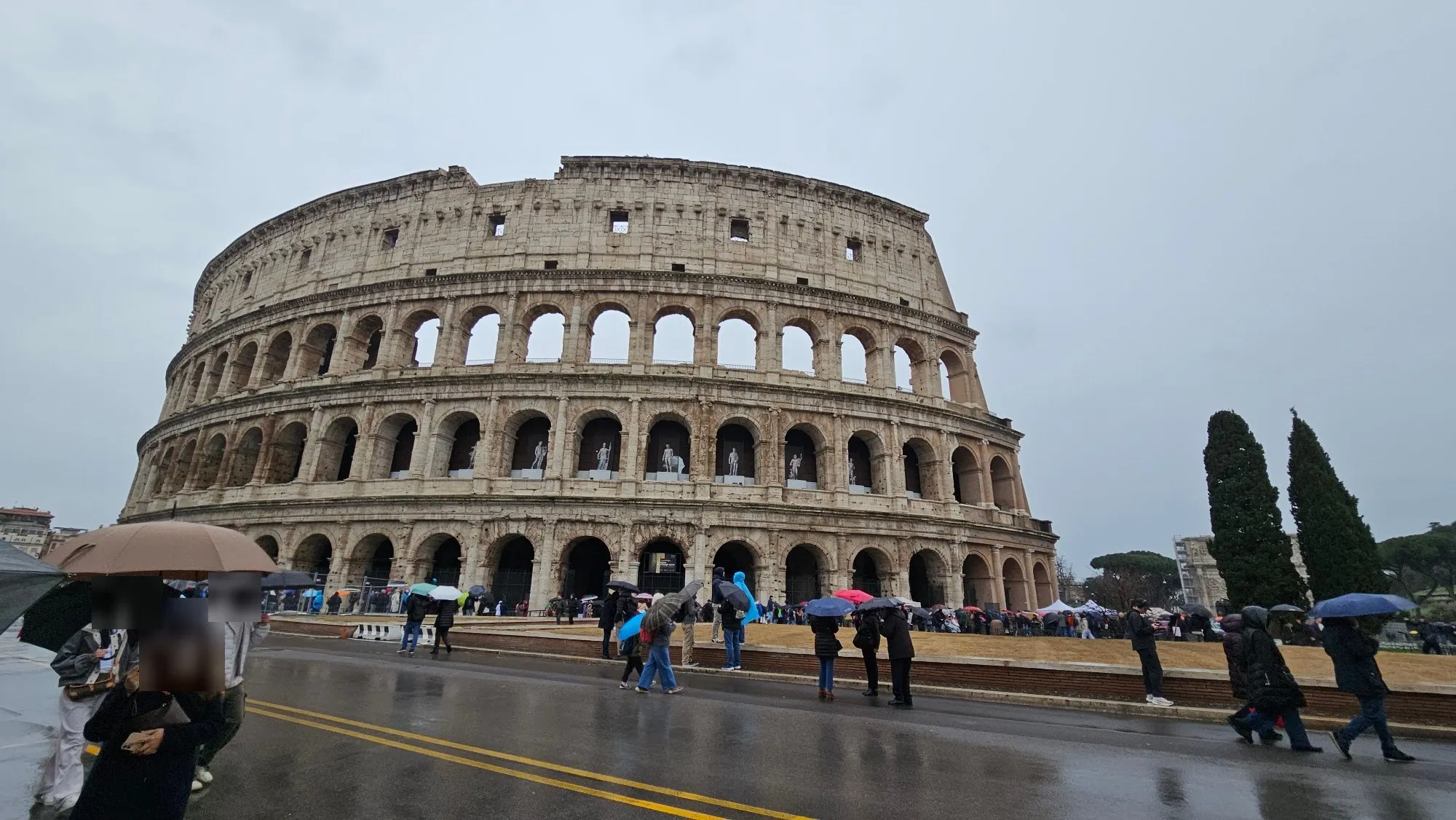
I won’t go into much detail about Rome, because it would be pointless: it’s a city with so much to see and such an enormous history that I’d rather invite you to read about it yourself. Still, here are photos of a few of the places I visited, with a few words about each.
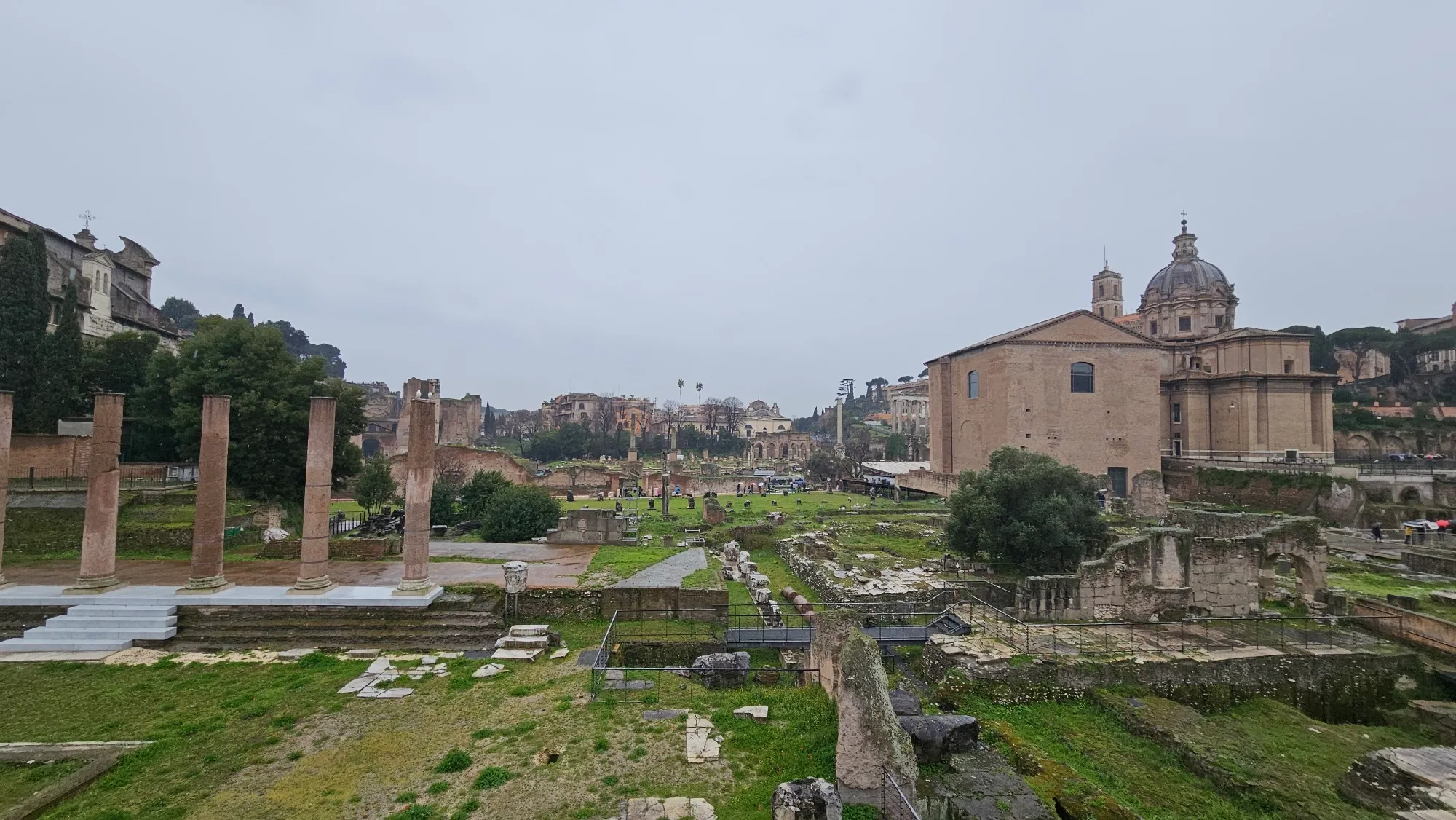
First, the classics: the Colosseum and the Roman Forum, right next to each other.
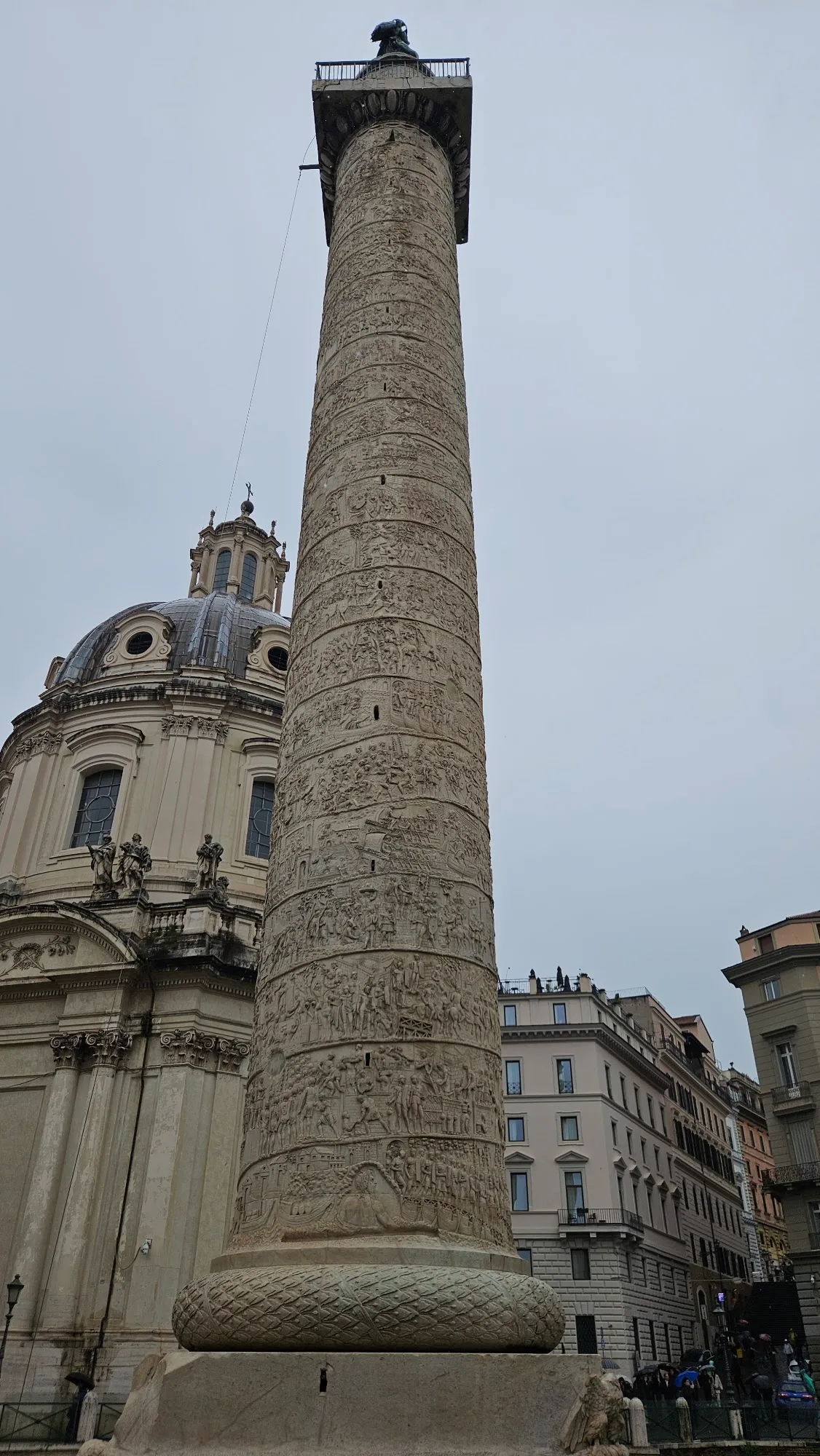
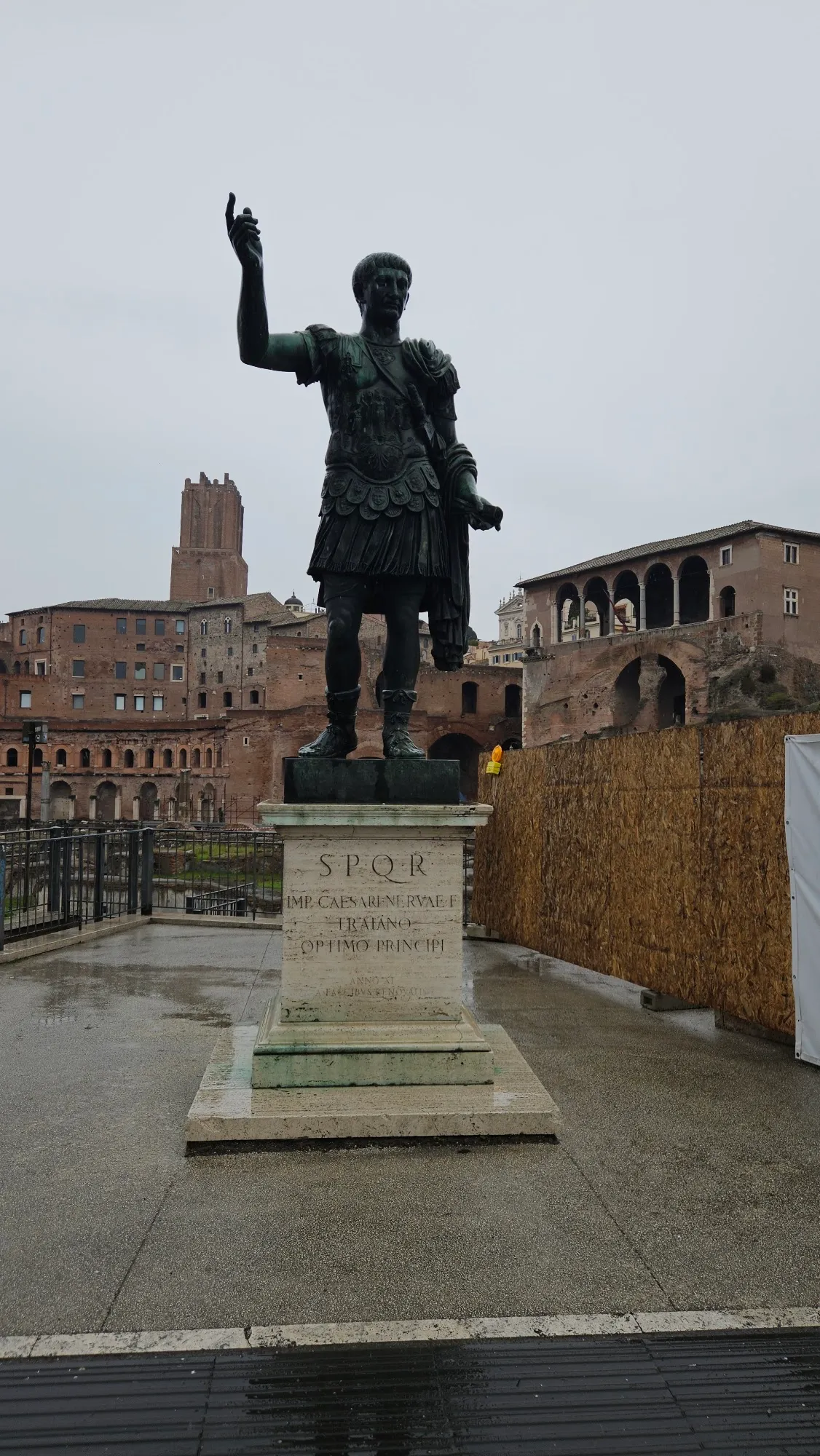
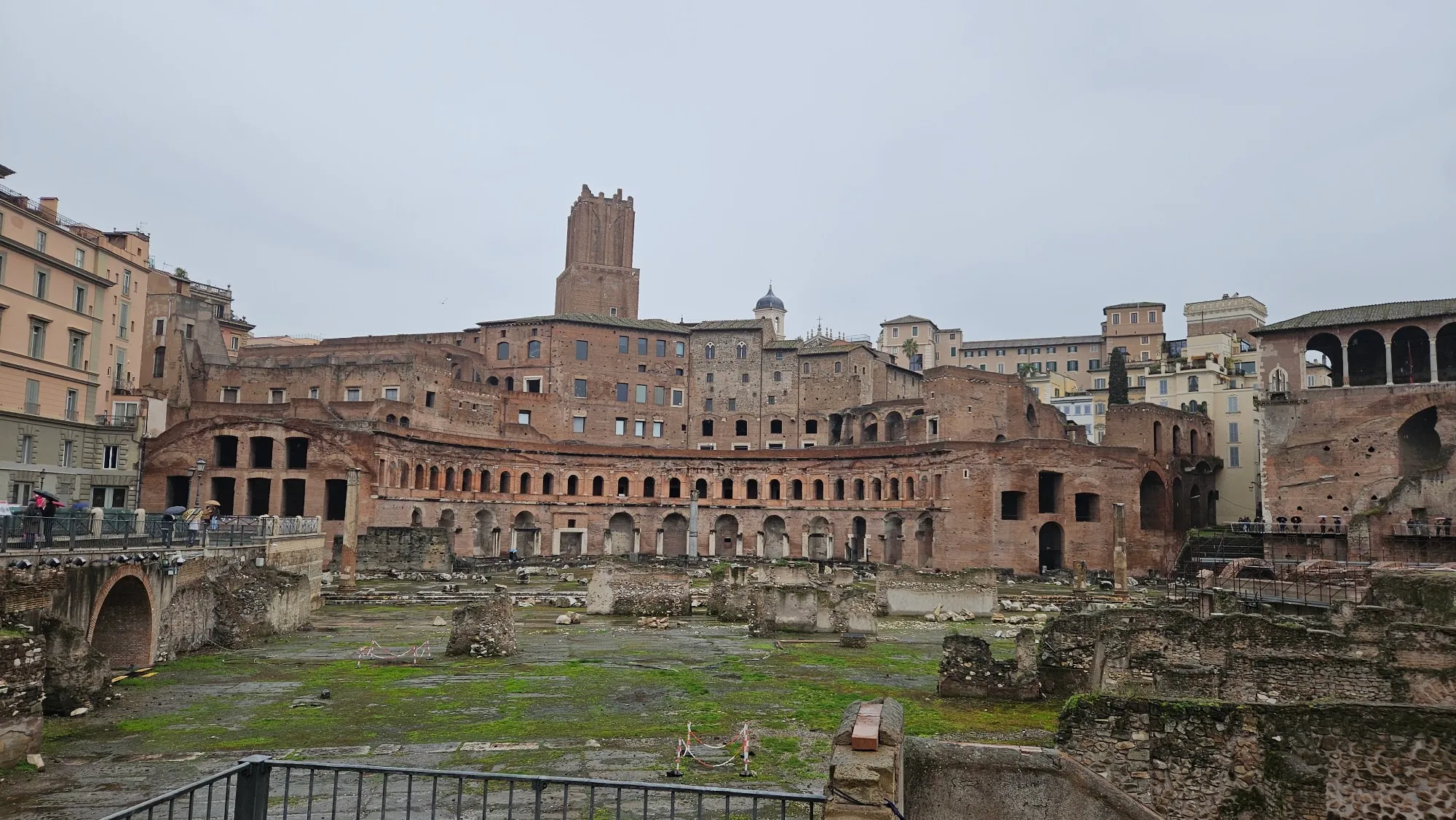
For a Romanian, though, the most special place in Rome is Trajan’s Column. Trajan is a historical figure of great importance for Romania: he conquered Dacia in two wars, in 101–102 and 105–106, and that’s how the Romanian people came to be, from the Dacians and the Romans. The column, finished in 113, tells the story of those wars in a relief that winds around it from the bottom to the top. Nearby, on Via dei Fori Imperiali, there’s a bronze statue of Trajan, in front of the ruins of his forum and markets.
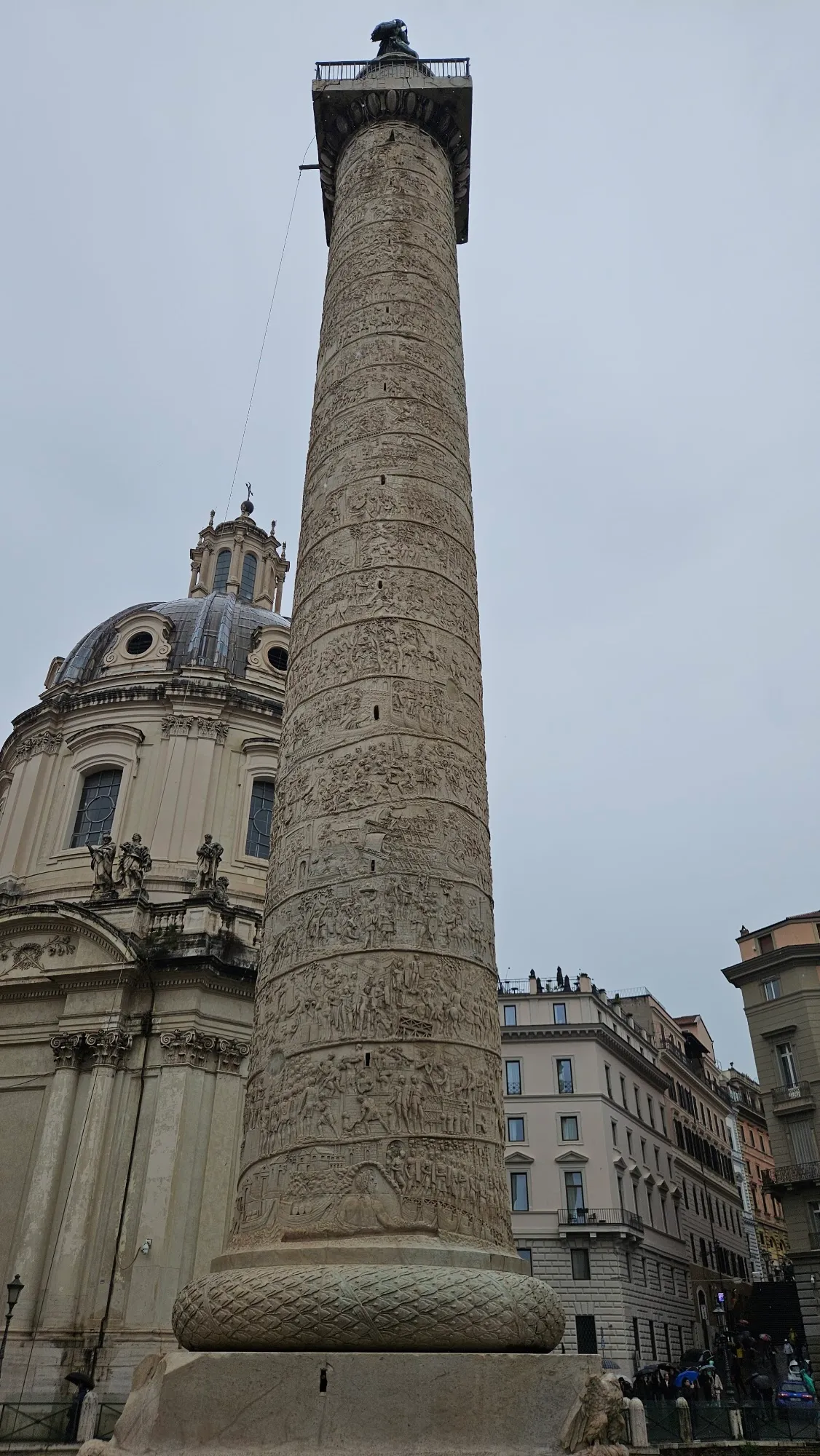
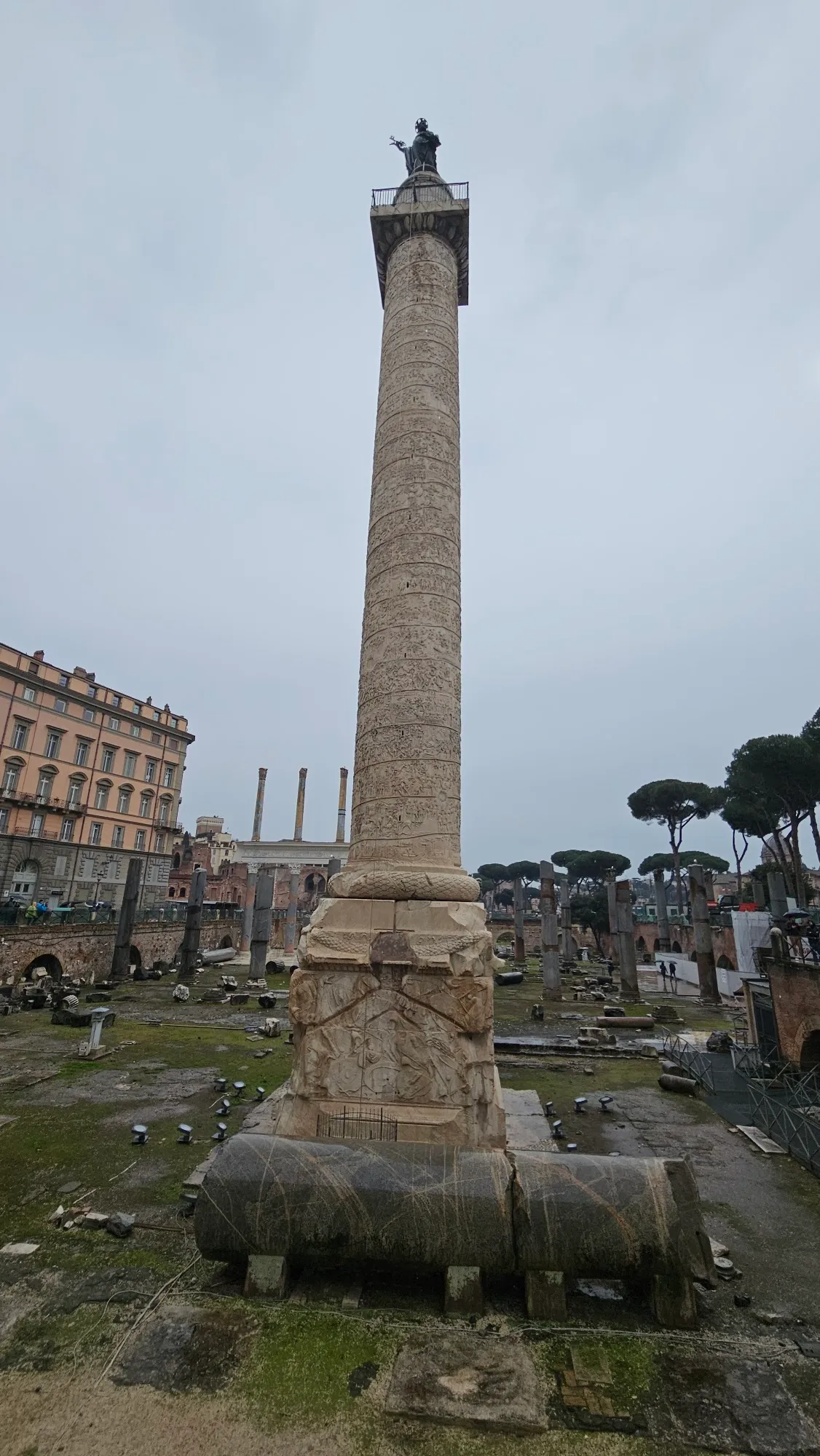
The column has a special story for Romanians, too. In 1896, Gheorghe Cârțan, known as Badea Cârțan, a shepherd from Cârțișoara in Transylvania, walked all the way to Rome to see it: about 20 days to Vienna, and 23 more to Rome. When he arrived, he went straight to Trajan’s Column and, as night fell, lay down to sleep at its foot. The next morning, the Roman newspapers wrote that “a Dacian has come down from the Column”. For more than 30 years, he also carried Romanian books across the mountains into Transylvania, then part of Austria-Hungary, and he was even arrested for it.
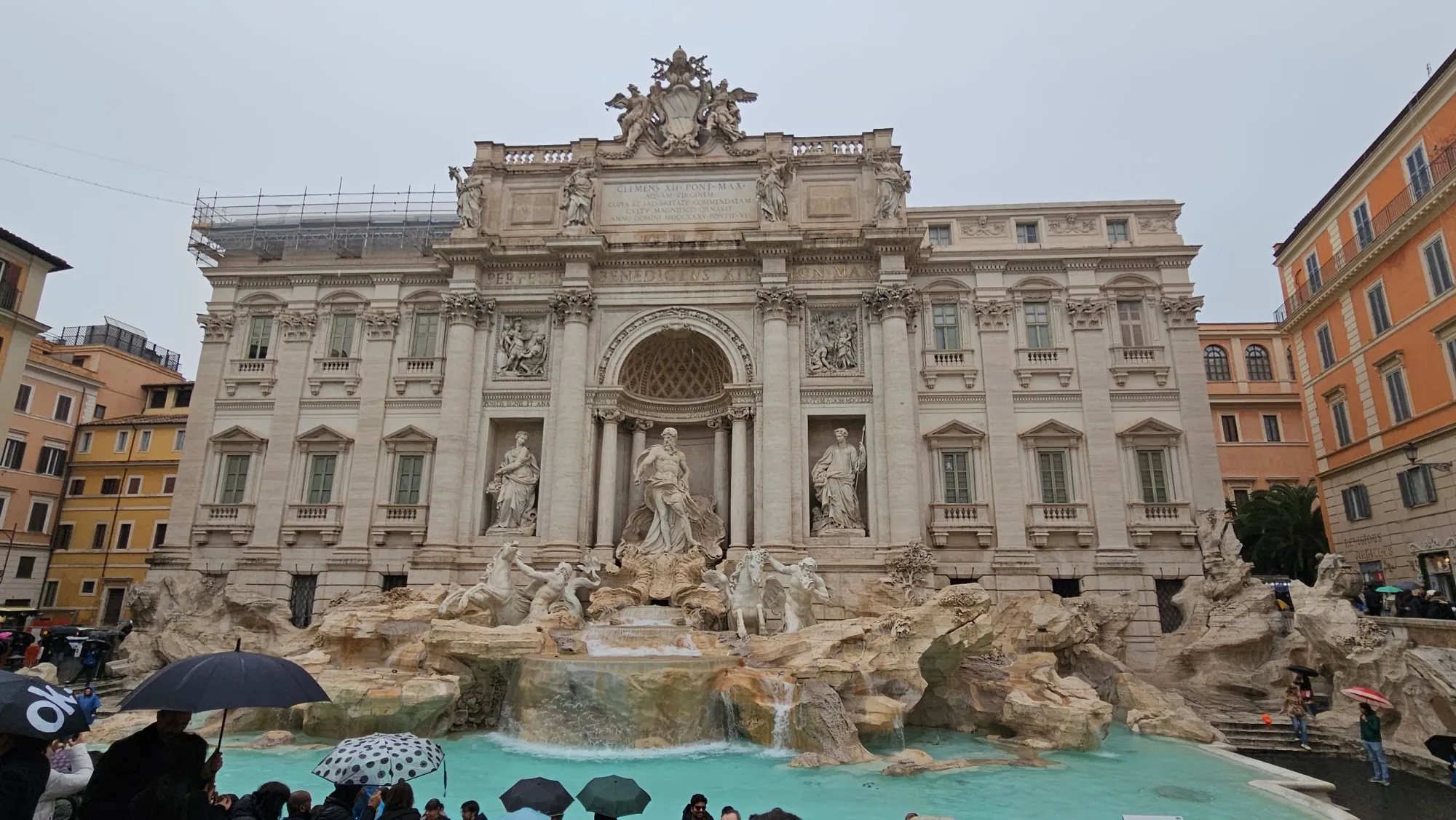
Then there’s the Trevi Fountain. They say that if you throw a coin into it over your shoulder, you’ll come back to Rome.
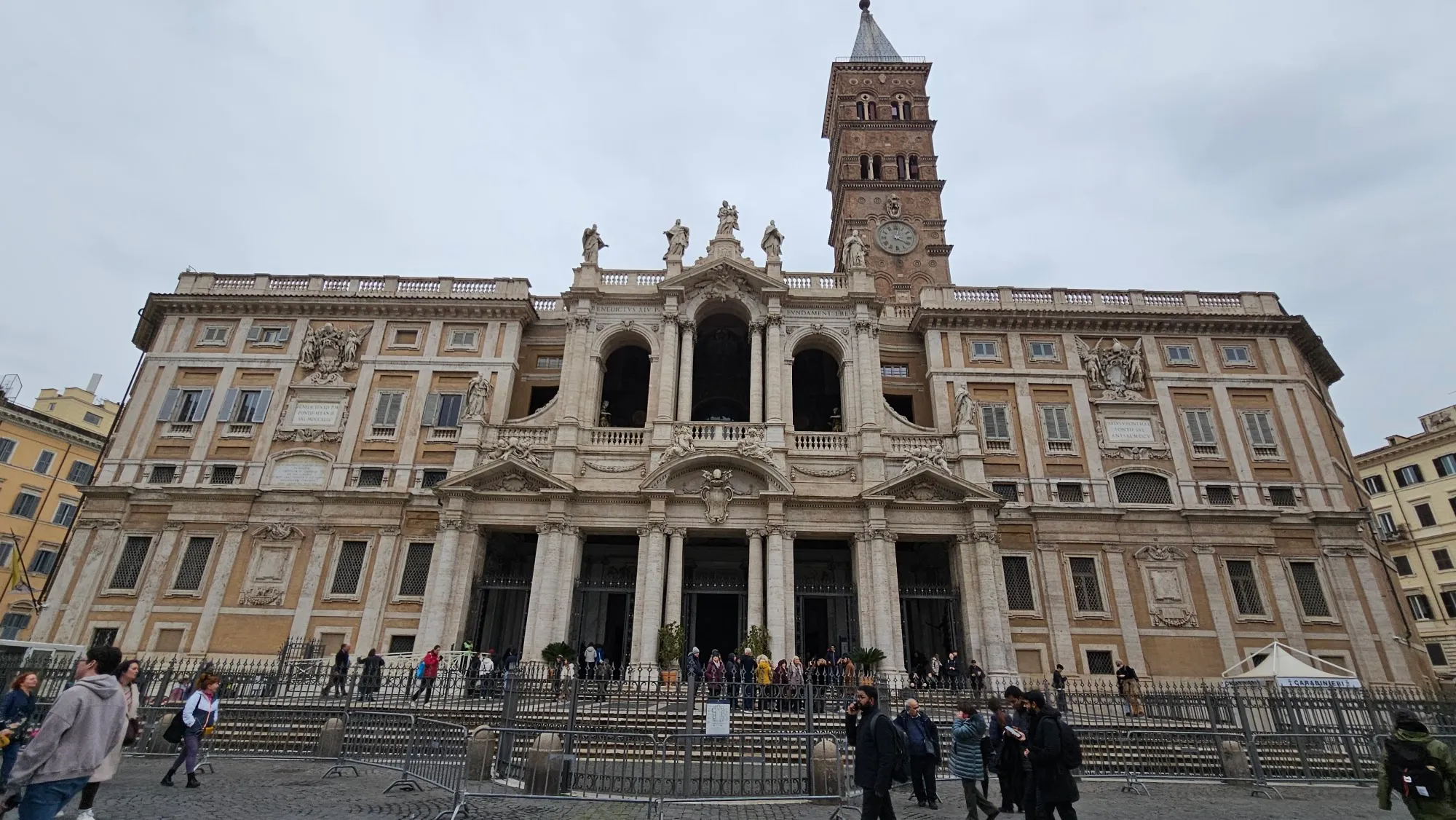
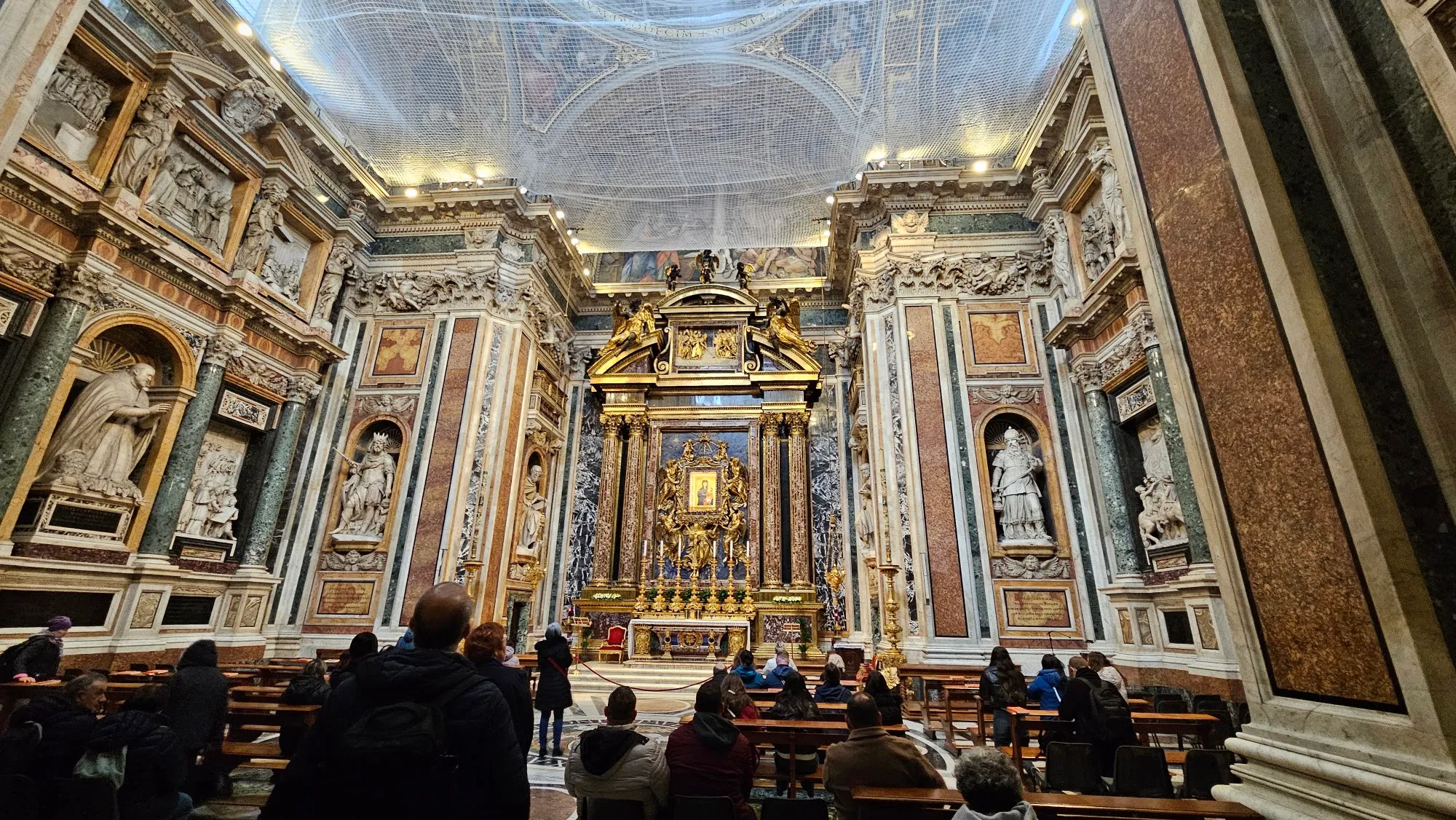
And finally, the Basilica of Santa Maria Maggiore, one of Rome’s four major papal basilicas, which is even more impressive inside.
Race Day
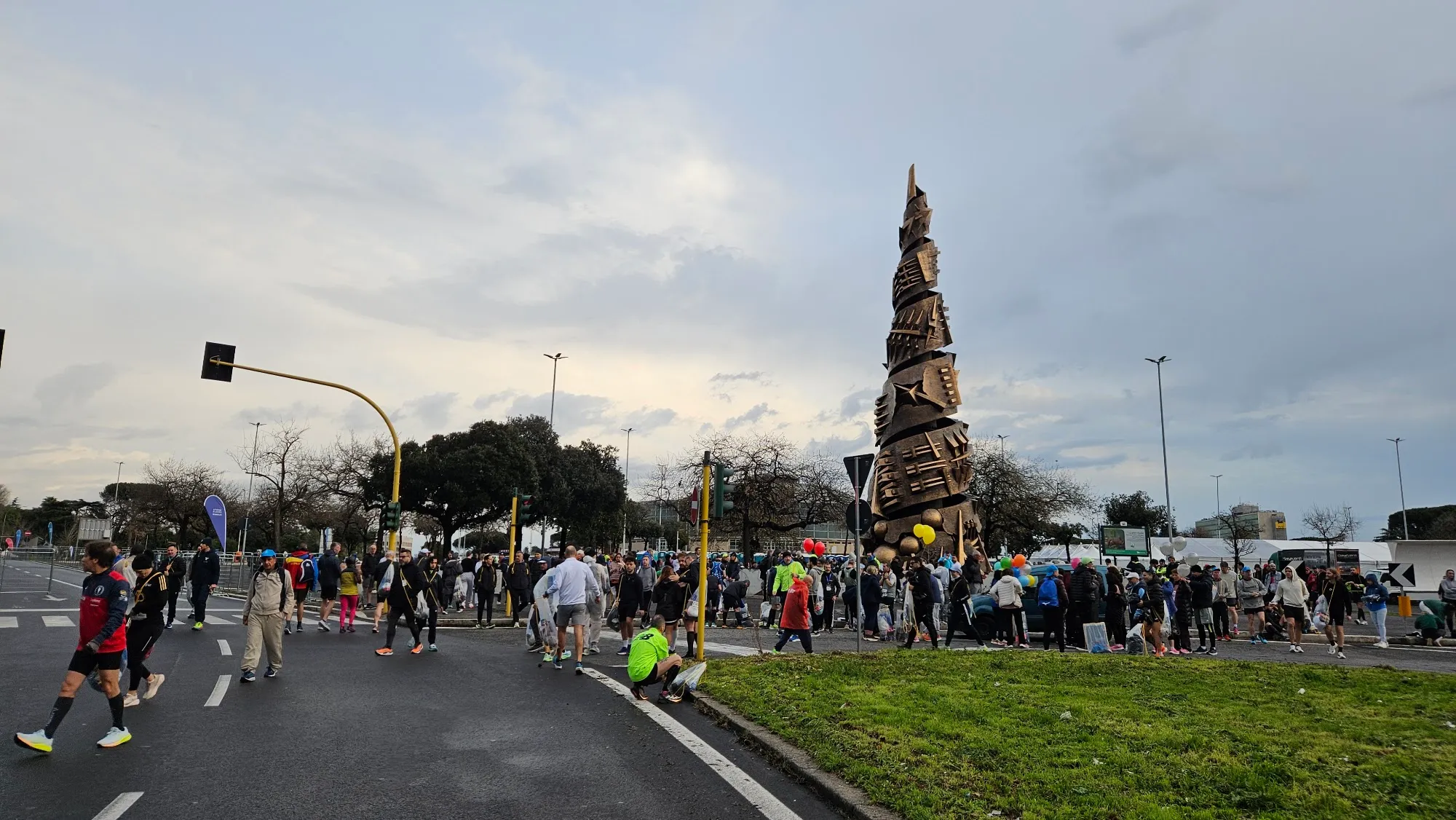
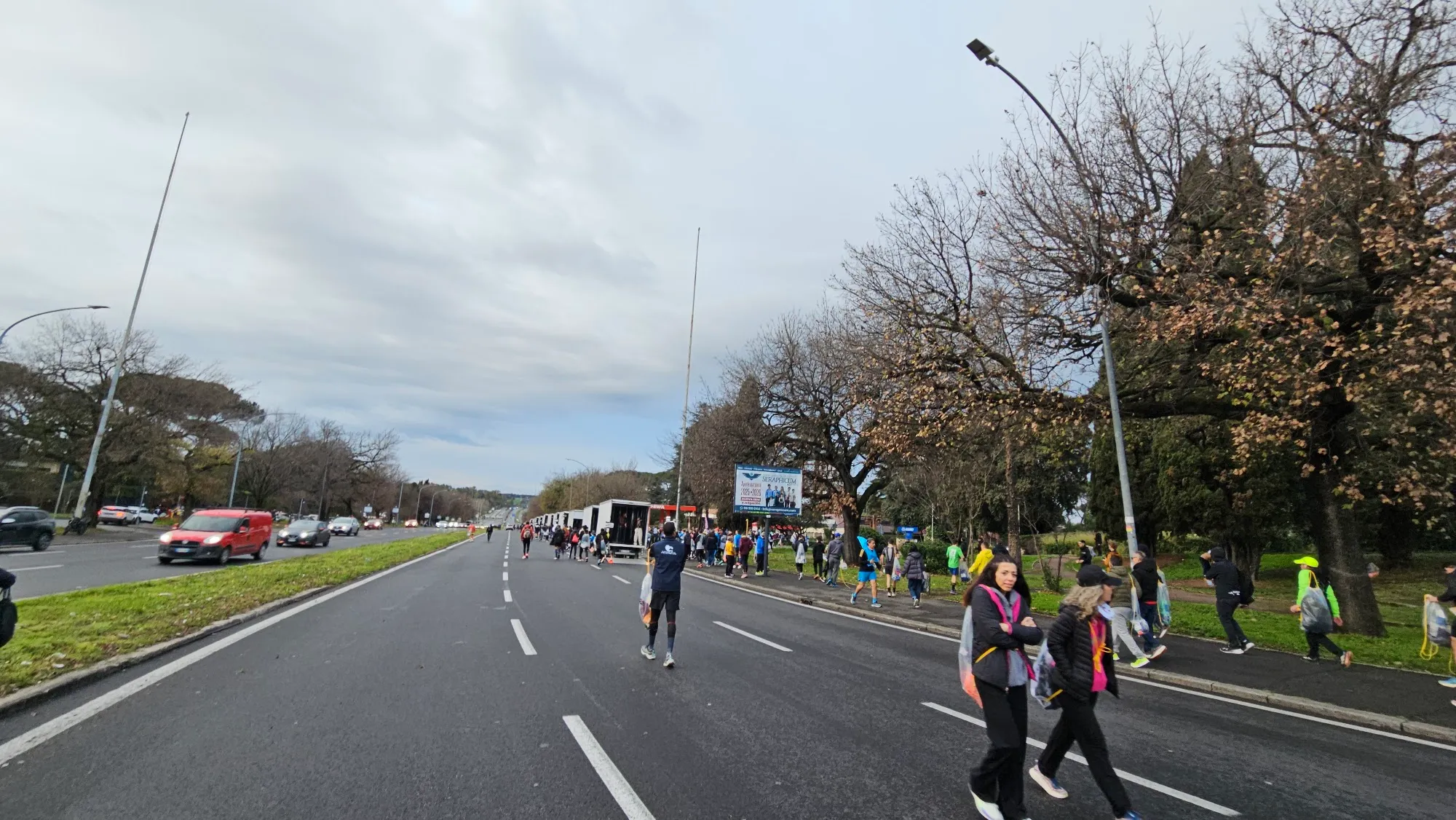
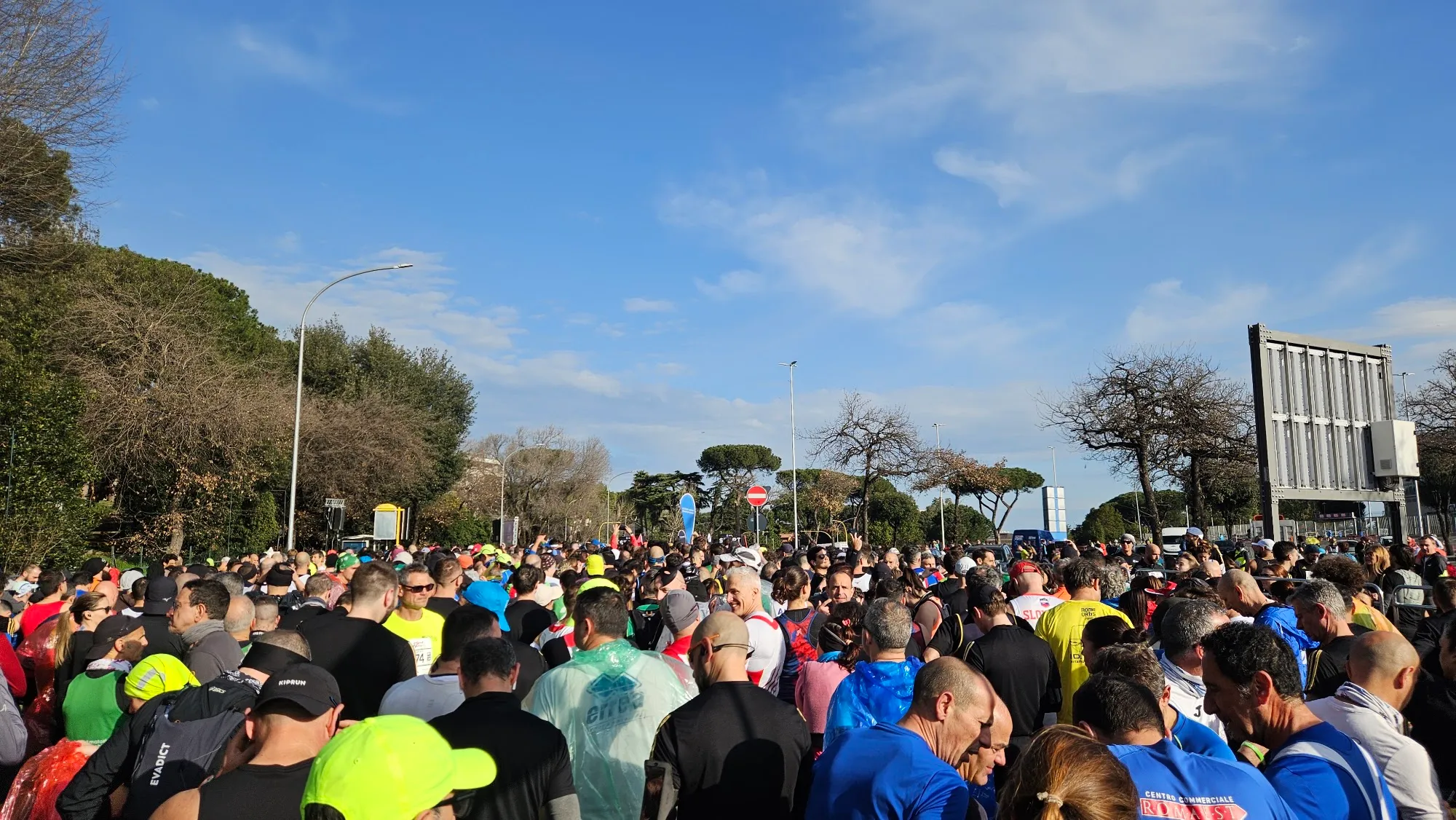
The start went very well, and I ran quite fast for this course. For at least the first 5 km, I was very close to my personal best pace: my first 5 km took 24:31, and km 2 to 4 were all at 4:50–4:51, right on the 4:50 per km that my best time needed.
But everything collapsed when I reached the long climb I mentioned above, about 1.5 km of it, and I couldn’t recover after that. I think I started too fast here too, and got carried away, without realising that the climbs and descents would be my undoing. The biggest blow, though, was that climb.
I knew the finish was somewhere completely different from the start, but I hadn’t thought about how hard it might be to get back to the city. At the train station, I had an unpleasant surprise: there was just one ticket machine, and 200–300 people all trying to buy tickets. It was practically impossible to get back by train in a decent time.
I think the best plan for this race is to stay at the beach for 2–3 hours, and only then head back to the city. We got bored of the sea quite quickly, after about 30–40 minutes, and found the same huge queue at the station, so we tried Uber instead. It took a long time to come, 30, maybe even 40 minutes, because the whole area was closed off, and it cost quite a lot, around 60–70 euros. But there were four of us, me and three other runners from my running club, including my running friend Adrian, so we split it, and everything was fine.
My advice: buy your train ticket back before the race. And my suggestion to the organisers: let runners travel without a ticket on the first two or three trains back, so everyone can get back to the city easily.
I’d count this as a minus for the organisation, even though I really liked the race, especially being able to dip my feet in the sea at the end.
The Numbers
| Rome–Ostia 2025 | |
|---|---|
| Official time | 1:46:46 |
| 5 km splits (watch) | 24:31 · 24:39 · 26:29 · 24:59 |
| First vs. second 10 km | 49:10 vs. 51:27 |
| Pace | 4:44–5:07 for the first 10 km, 5:26–5:56 on the climb from km 11 to km 13, then 4:46–4:53 on the way down |
| Heart rate | avg 167, max 177 |
| Cadence | about 193 steps/min |
| Weather | 10°C (50°F) at the start, 16°C (61°F) by the finish, sunny, 67–86% humidity, a light north-easterly wind |
| My personal best at the time | 1:42:05, Valencia, October 2024 |
Final Thoughts
I was a bit surprised by my time. I expected to run much better, but it seems I ran slowly, and somehow I feel disappointed.
Still, it’s a wake-up call: I need to prepare better for my next races. So until my race in Berlin, I’ll focus on a few 10K races in Bucharest, hoping to run a better time in Berlin. 🤞
Running it yourself?Plan this race with euroslam.run →Date, race-week weather and hotels near the start.EuroSlam is my own free side project. Some hotel links on the site earn me a small commission, at no extra cost to you.
I'm a recreational runner with an office job, testing running science on my own legs. More about me.