PKO Poznań Półmaraton 2026
Polish Crown, race 2 of 5
Two down, three to go!
Warsaw had gone very well: I finished in 1:42:08, less than a minute off my personal best. Poznań is known as a fast race, so I told myself I had to train even harder and set a personal best there.
So four days after Warsaw, on the Thursday, I went out for a speed session: 3 × 2 km. On my first easy run after that session, I strained my adductor. I came to Poznań four weeks after Warsaw, still recovering, but I went for a personal best anyway.
About the Race
The Poznań Half Marathon (PKO Poznań Półmaraton) was race number two of my Polish Crown, and its 18th edition. The start was at 9:00 on a Sunday in April, an hour earlier than in previous years.
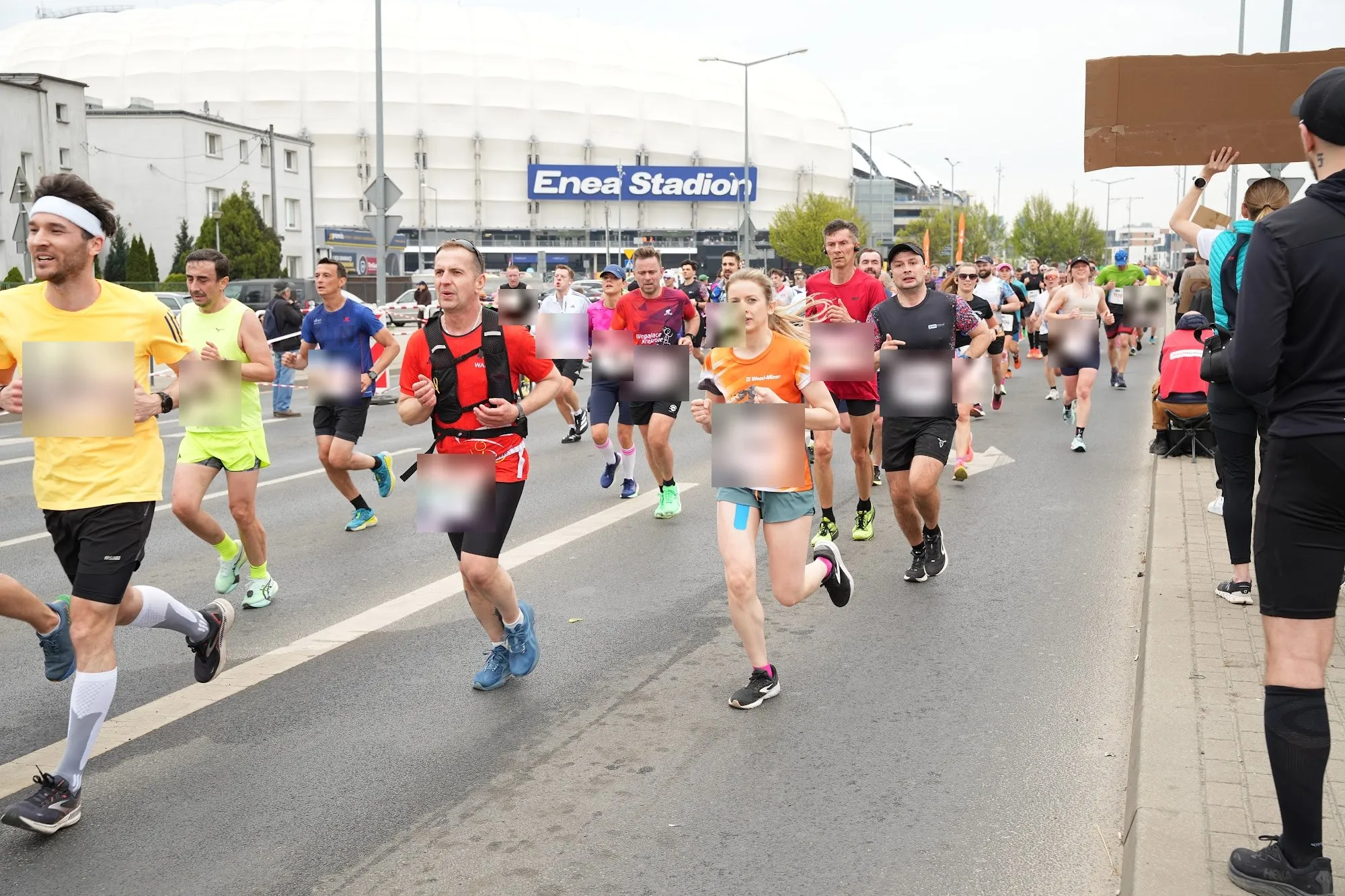
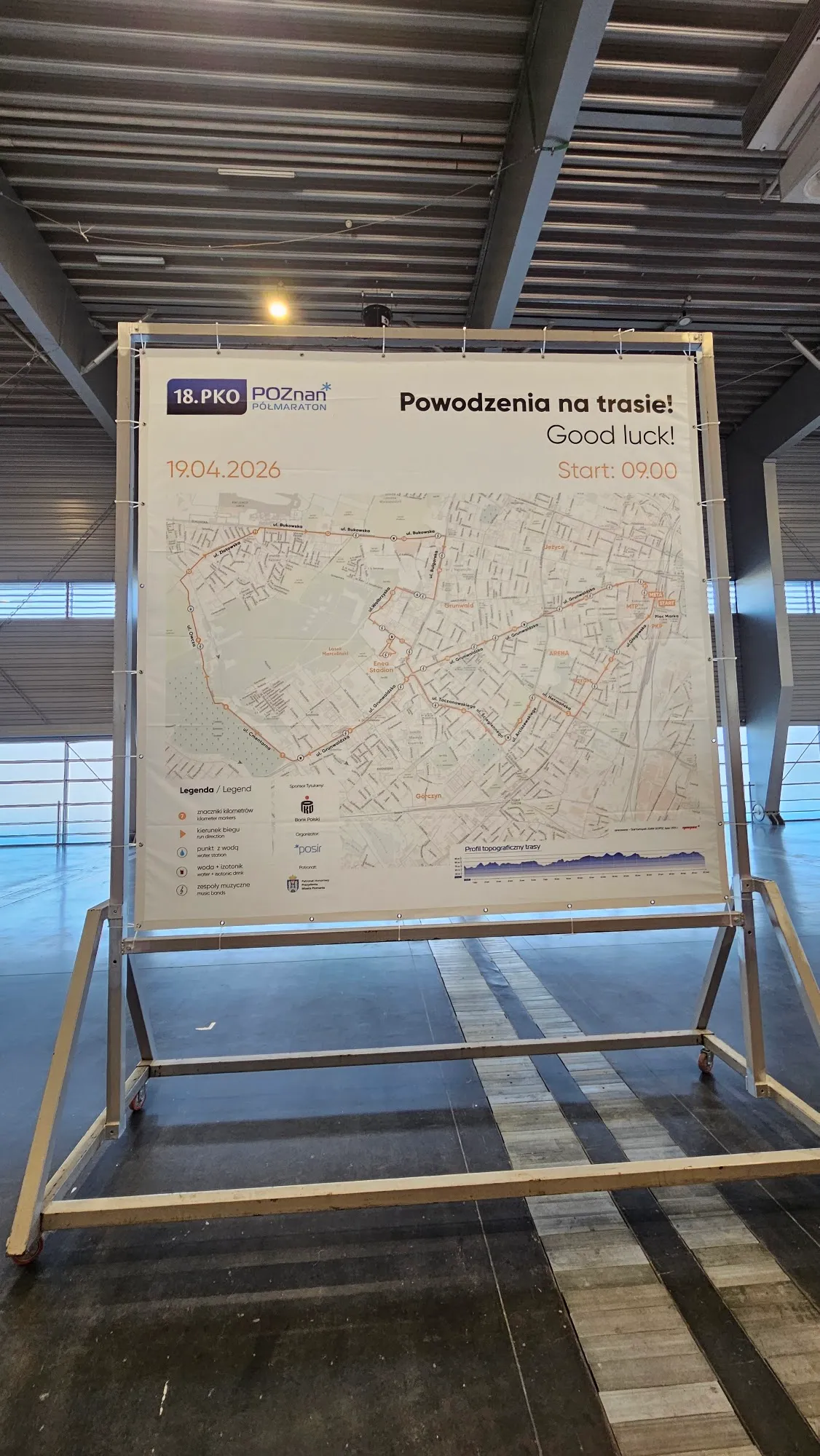
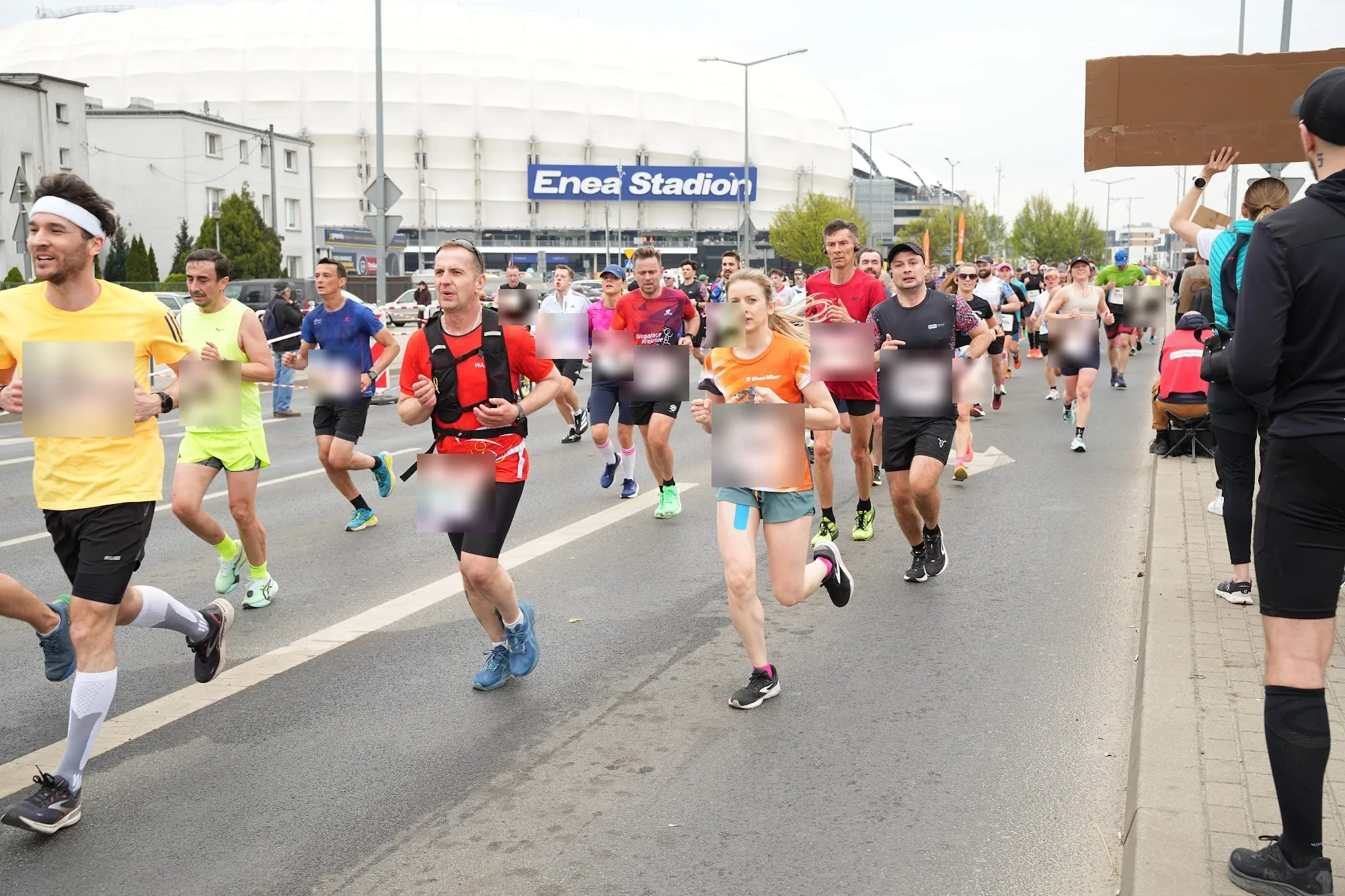
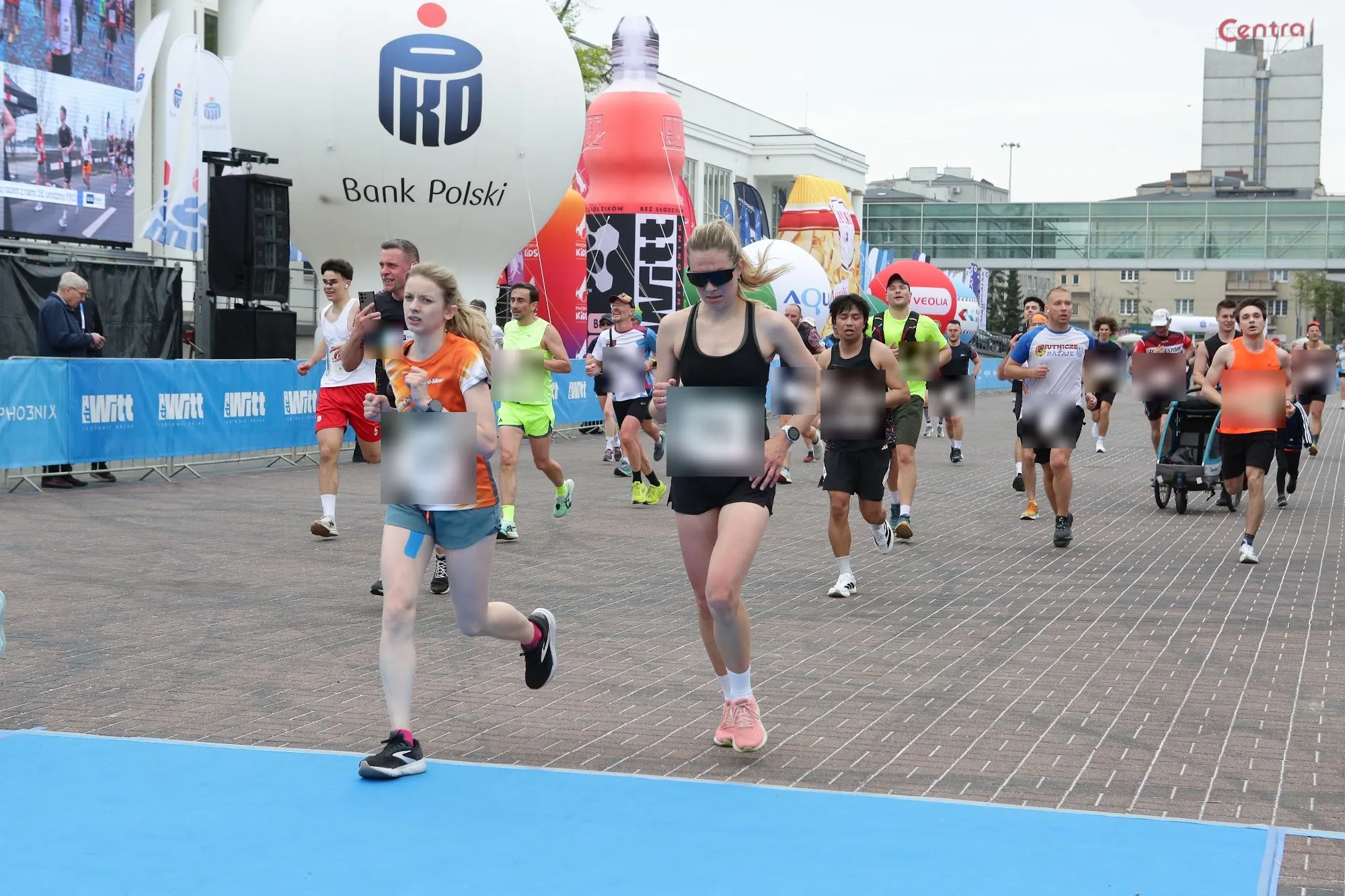
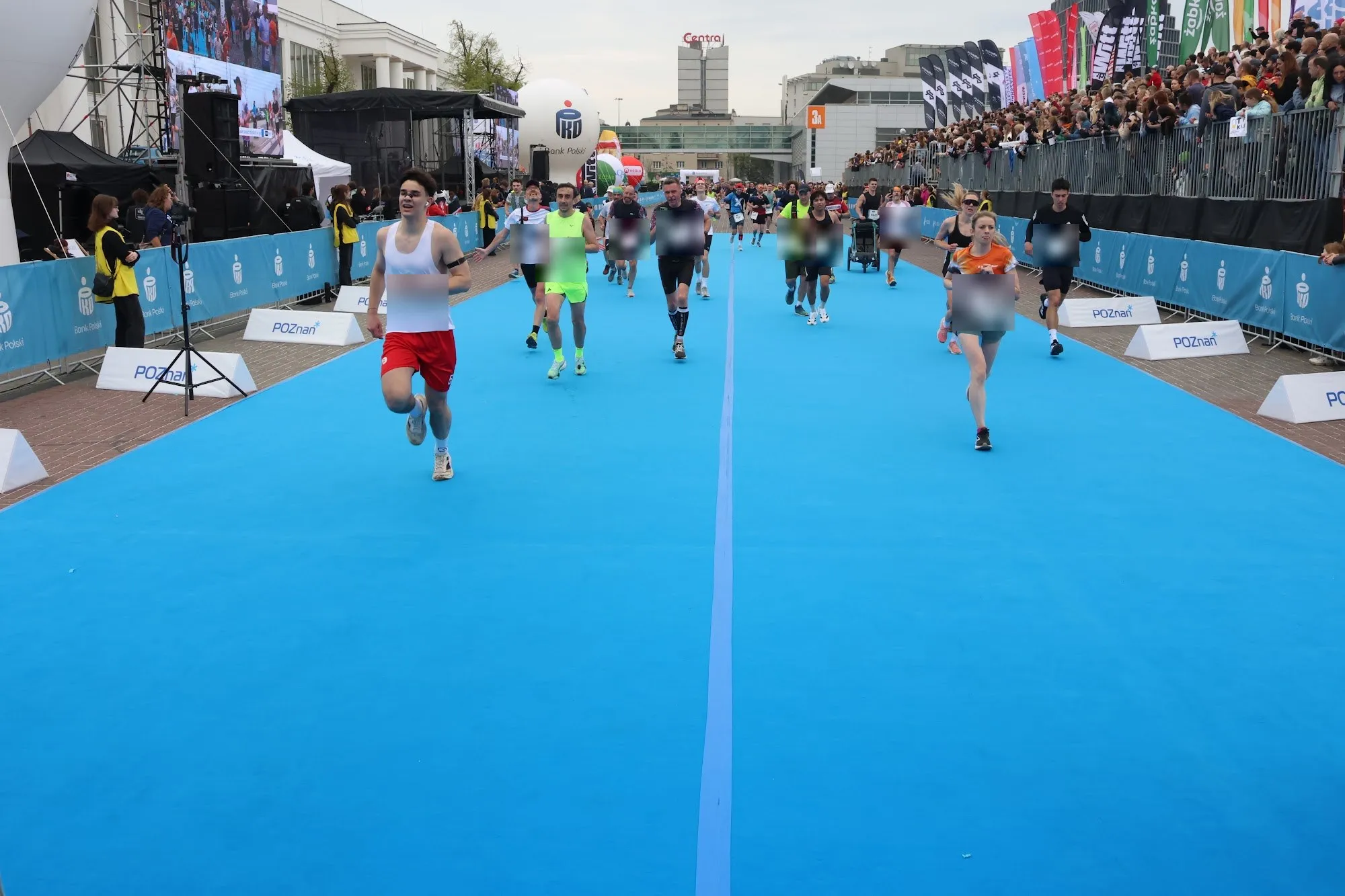
This year’s course was new. You start on ul. Roosevelta, next to the East Hall of the Poznań International Fair (MTP), and run one big loop through Łazarz and Park Wilsona. For the first time, the course also goes through the Enea Stadion, the city’s football stadium. The old climb on Roosevelta near the finish is gone, and you finish back at the fair grounds. The course is certified by AIMS, World Athletics and PZLA, and my watch measured 45 m of climbing.
It was a record year: 13,500 runners crossed the finish line.
Planning and Arrival
To get to Poznań, I flew with LOT, but only as far as Warsaw, and decided to take the train from there. At first, it seemed like a good idea. But after a race, a train journey isn’t exactly what you want. You want to lie down in the lounge, get on the plane, and that’s it, not run after trains. Still, I learned something new: a connecting flight beats the train.
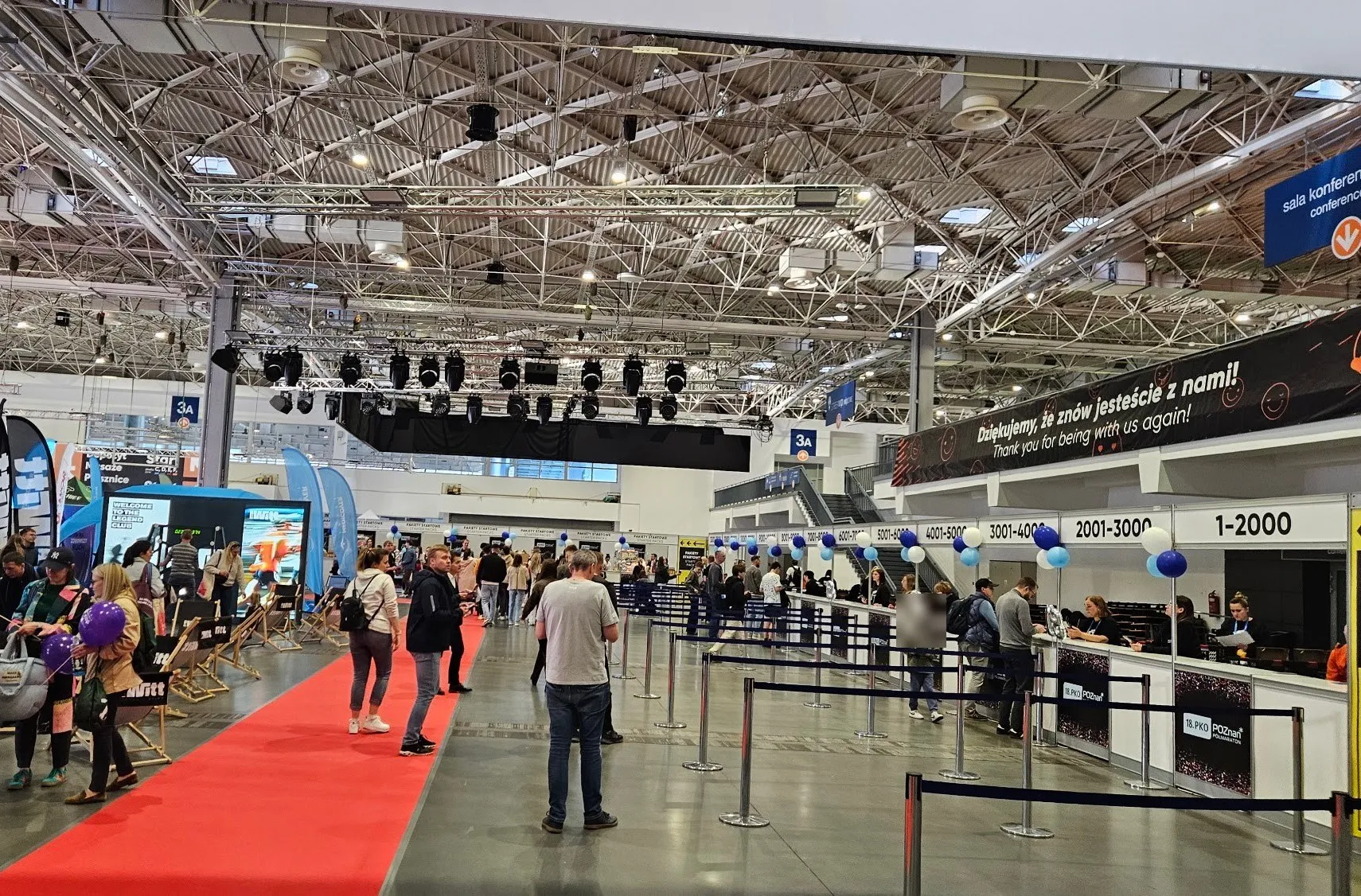
At the expo, I saw the stand of the 49th Bieg Lechitów, the oldest half marathon in Poland, held every year since 1978. It runs from Ostrów Lednicki, an island on Lake Lednica, to Gniezno, Poland’s first capital. The start is there because, in the year 1000, Emperor Otto III set off from Ostrów Lednicki on foot to St Adalbert’s tomb in Gniezno. The people promoting it were dressed as kings, and it looked like a really nice race. One of them ran in Poznań the next day, dressed as a knight, and finished in a very good time: around 1:31, by my estimate.
Exploring the City
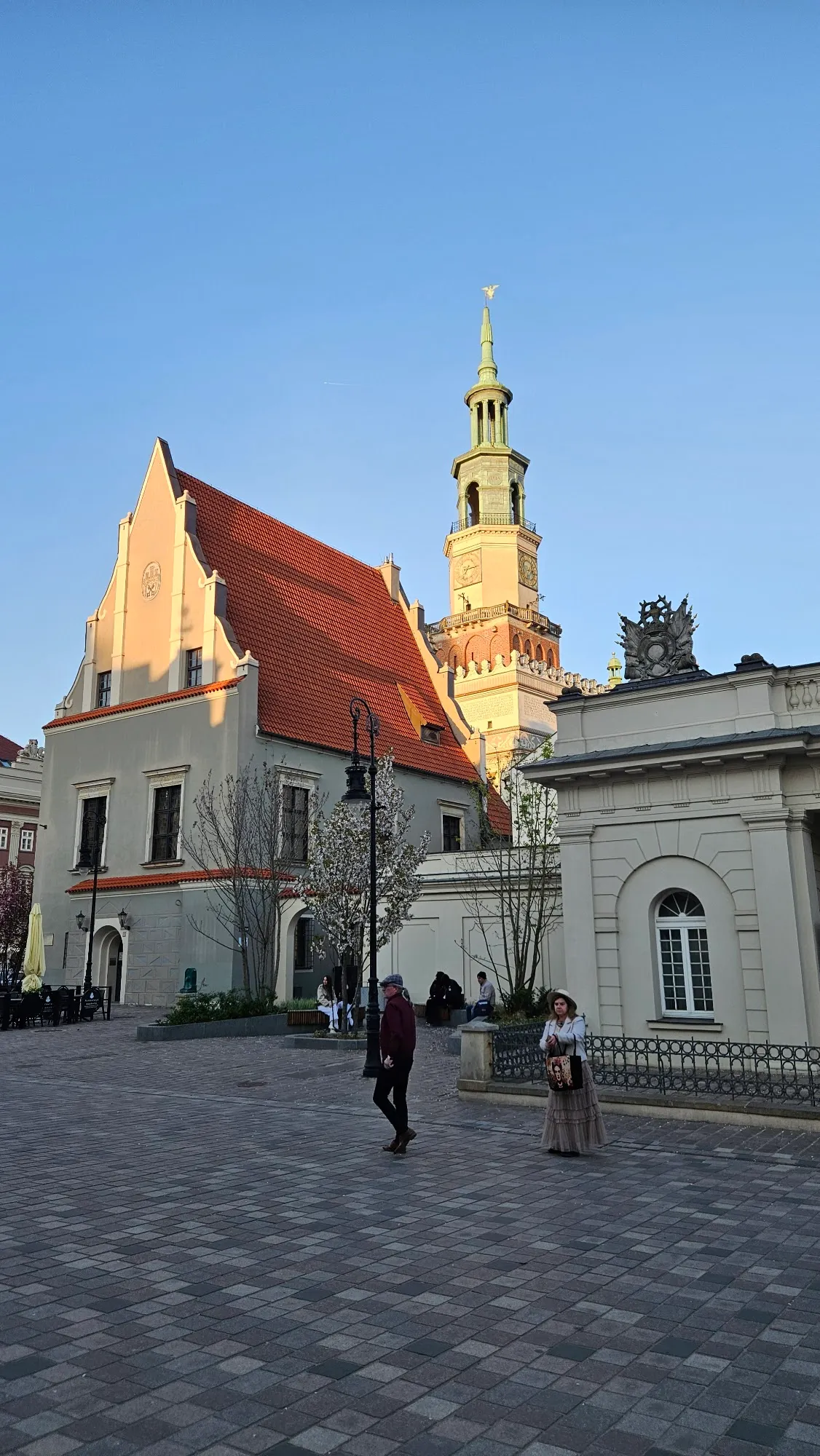
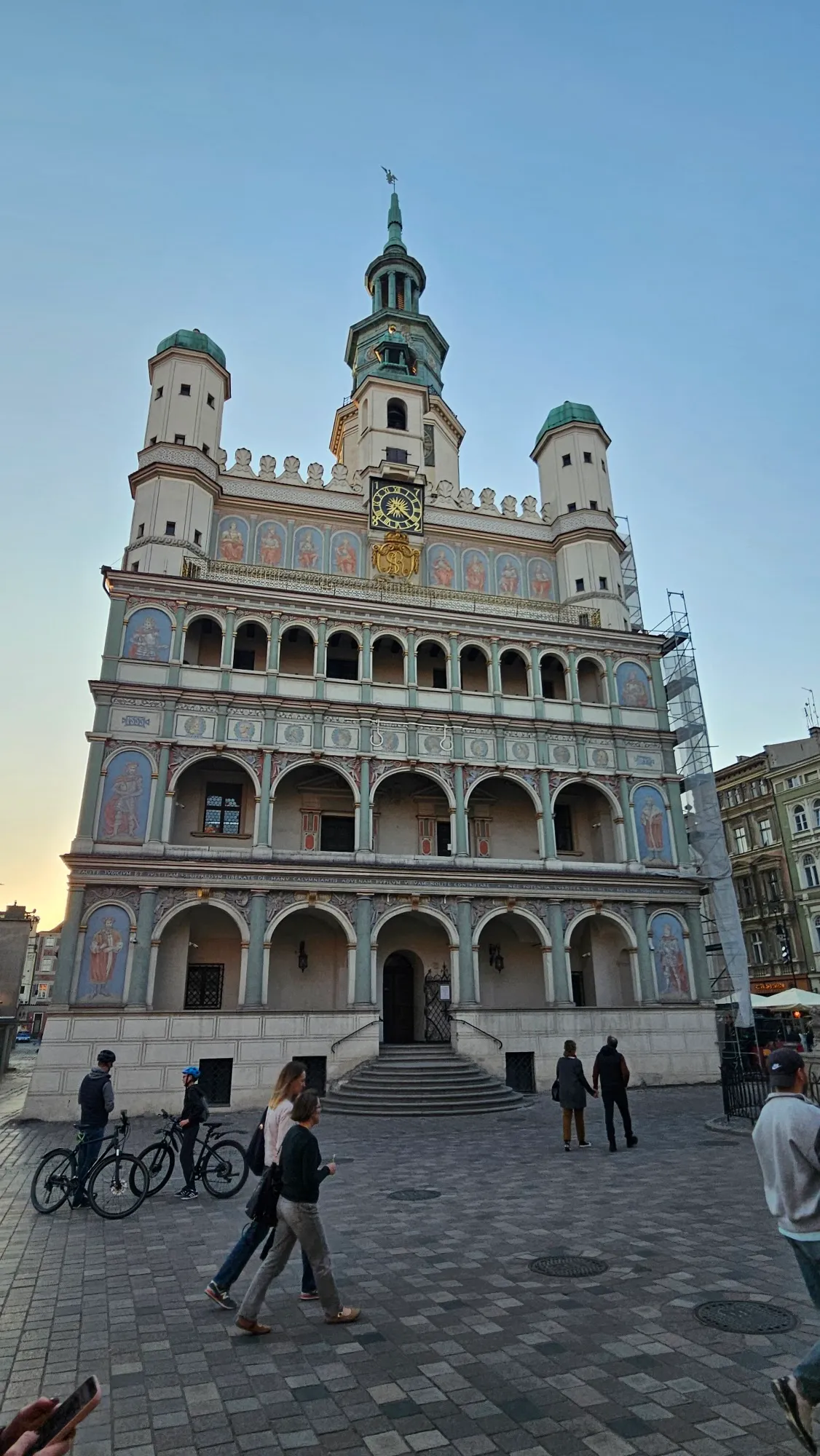
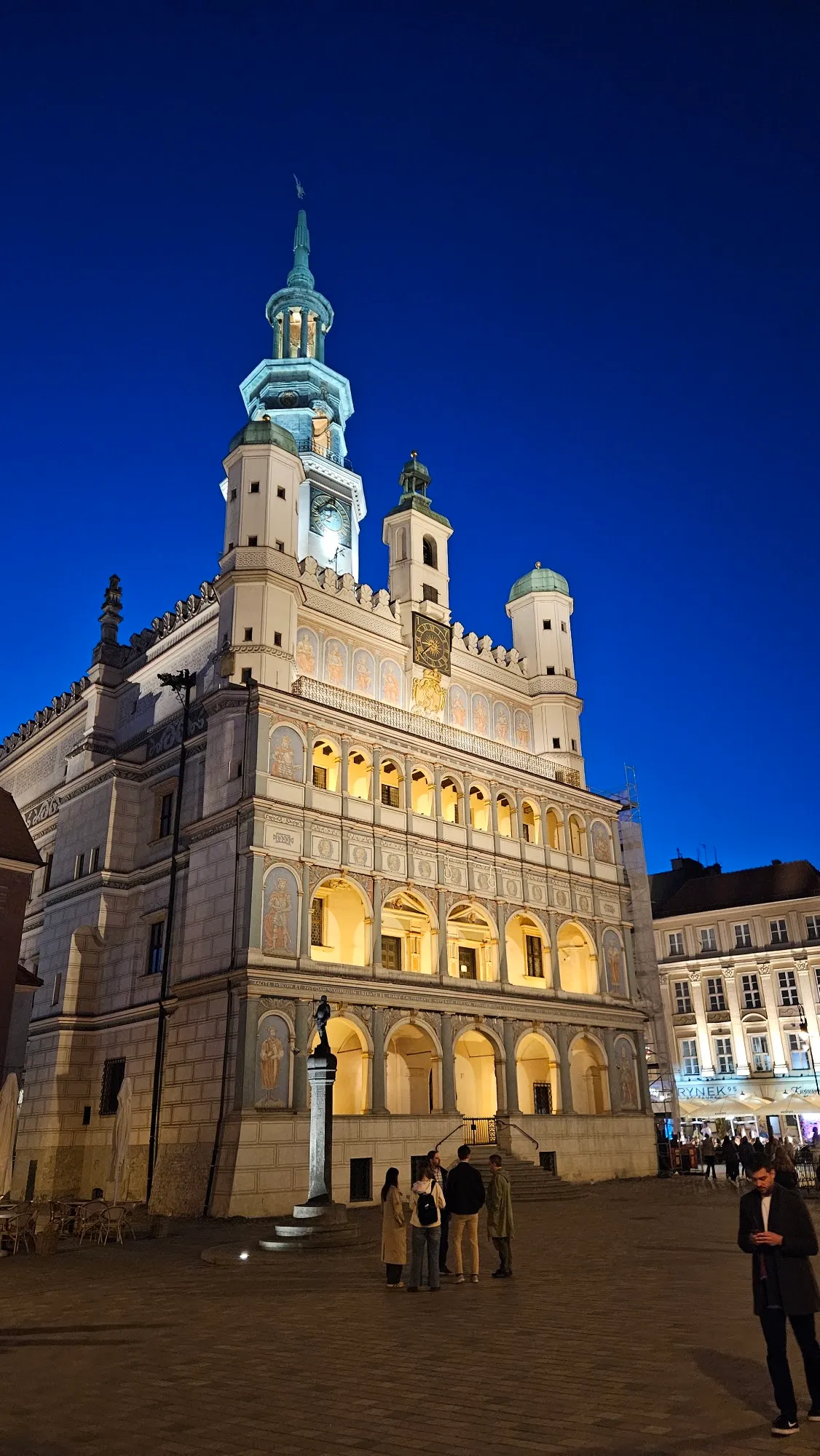
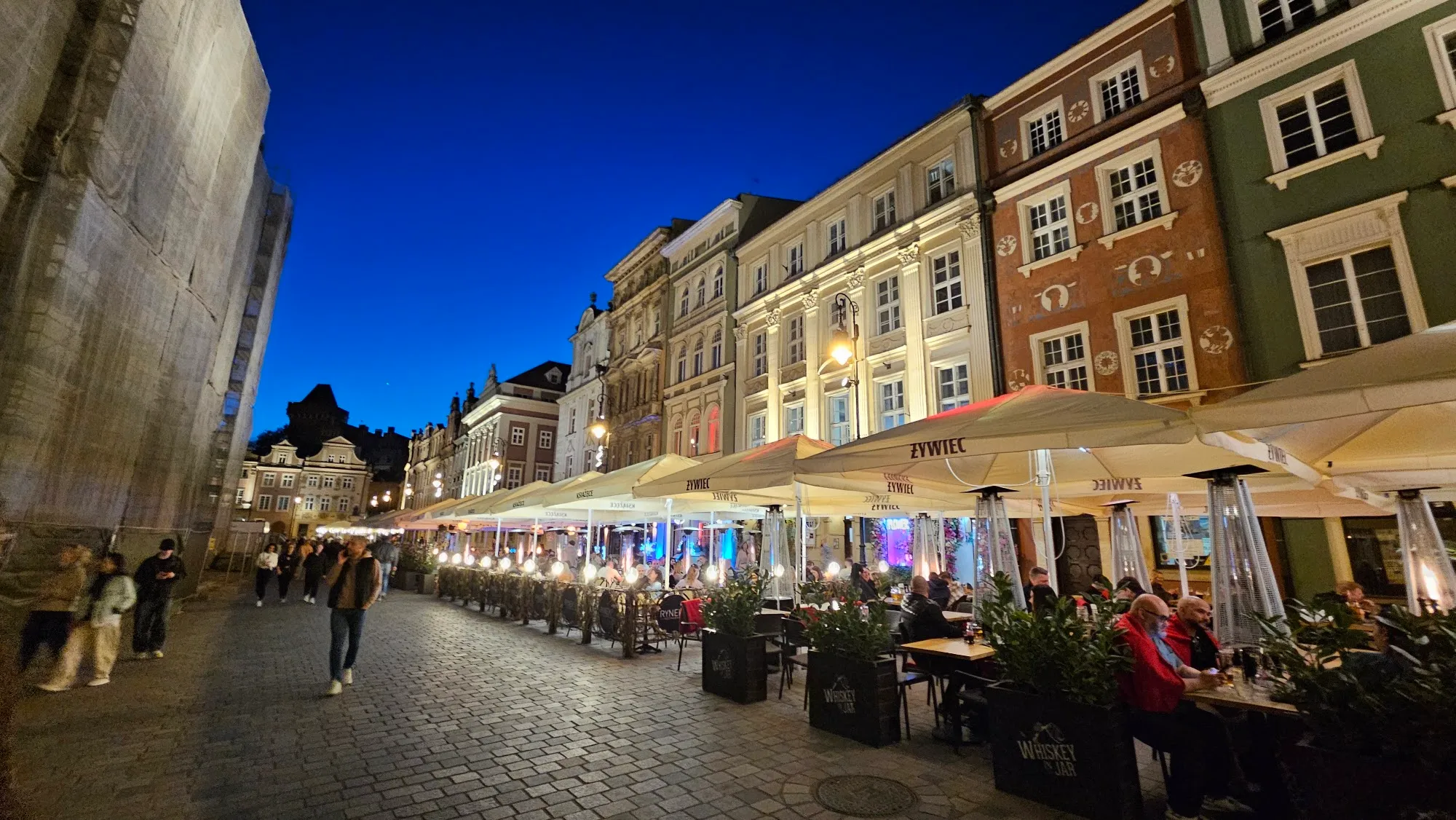
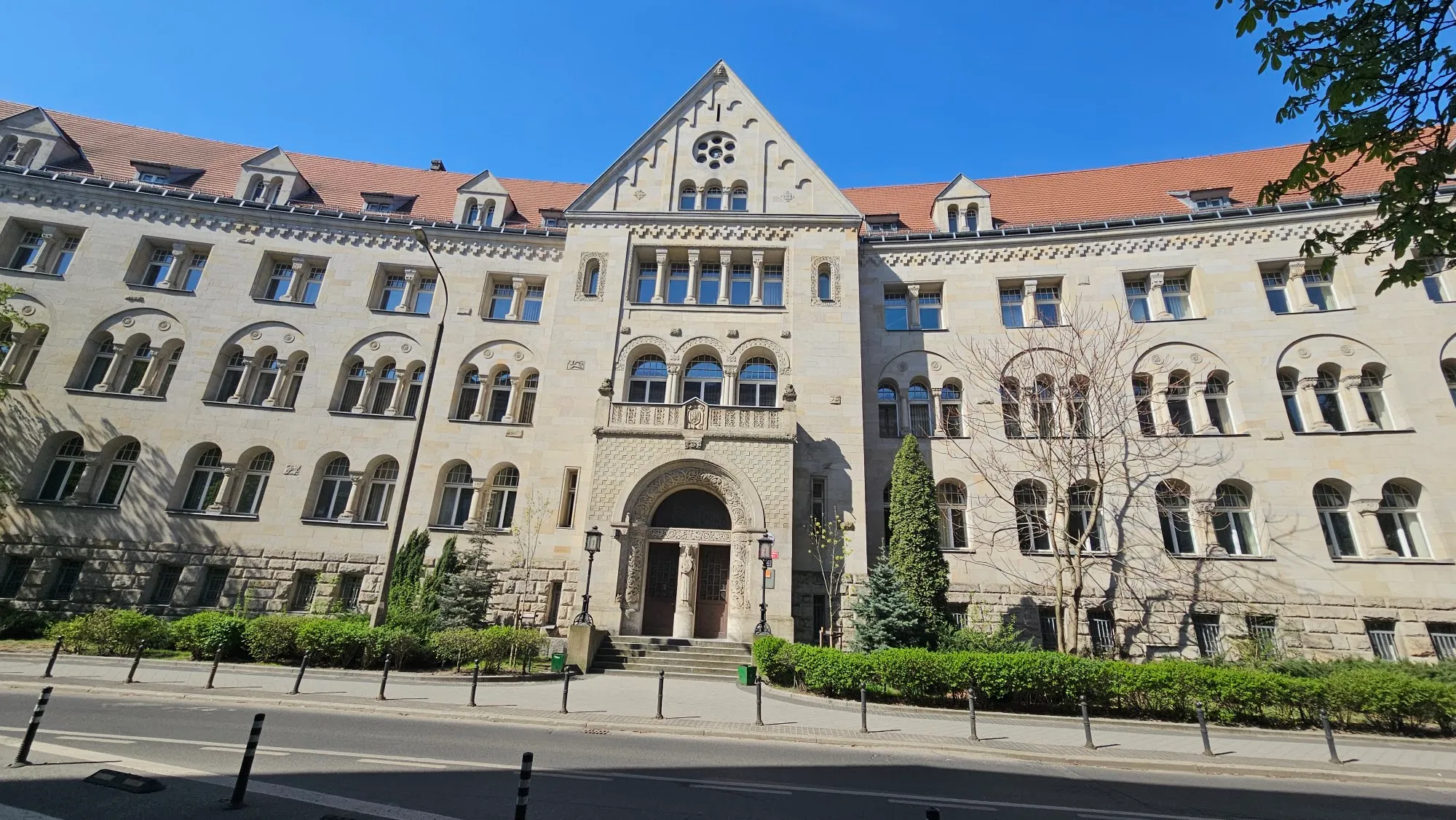
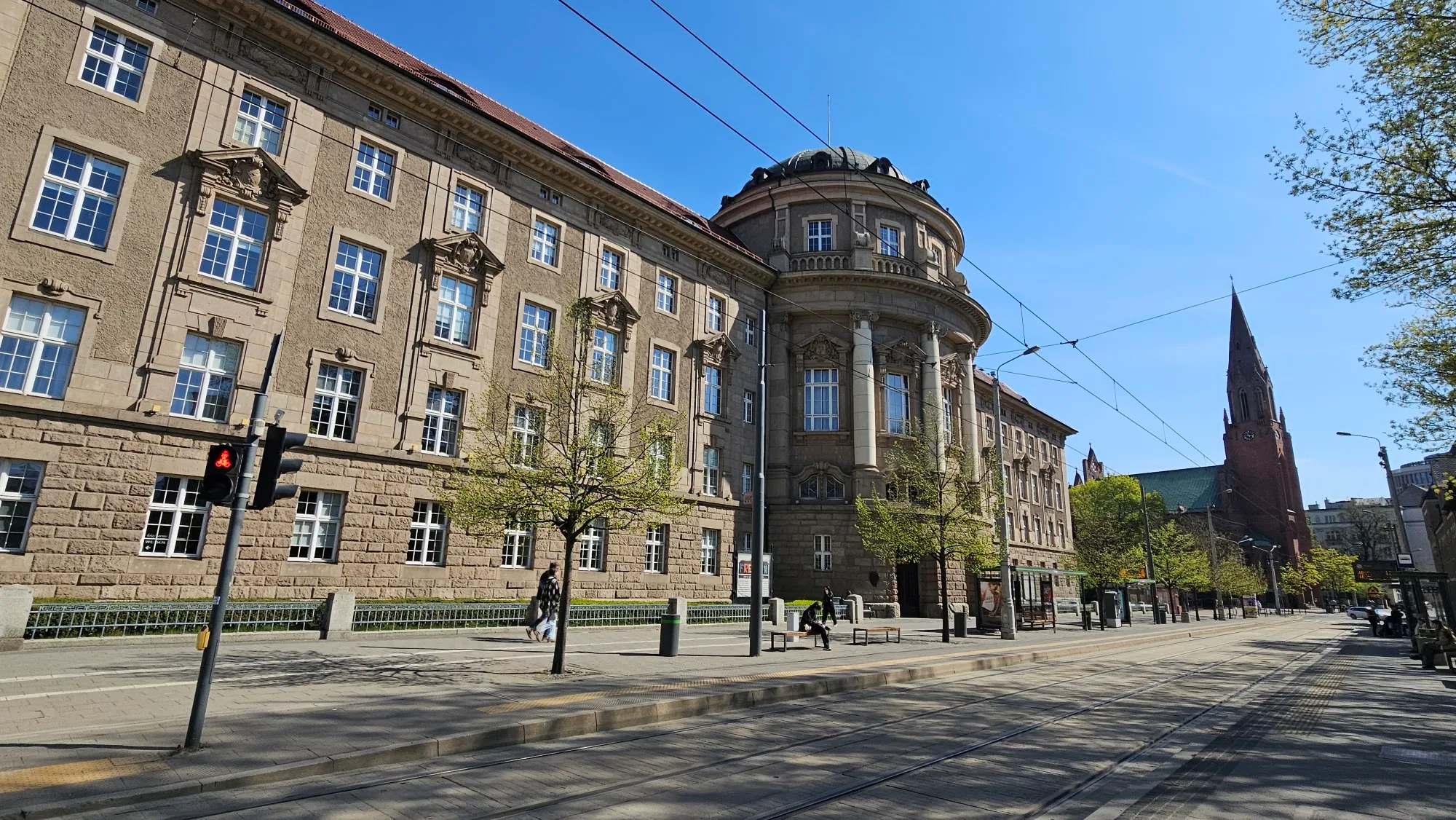
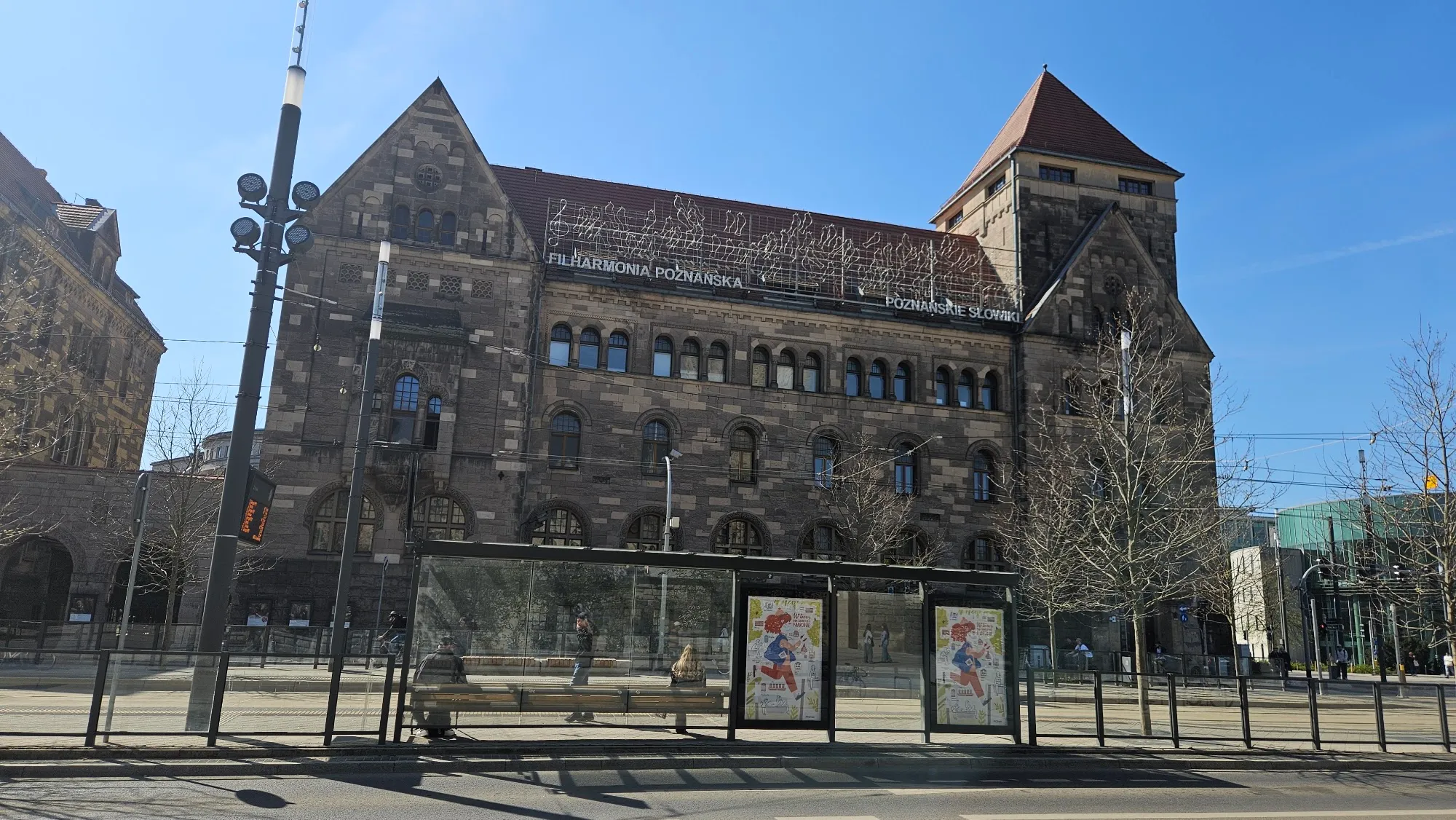
Poznań is smaller than Warsaw, but it feels much older and more traditional, with lots of old buildings. In Warsaw, there isn’t much to see, but in Poznań there were plenty of old places to visit, and I liked them. It reminded me of Sibiu, a city in Romania.
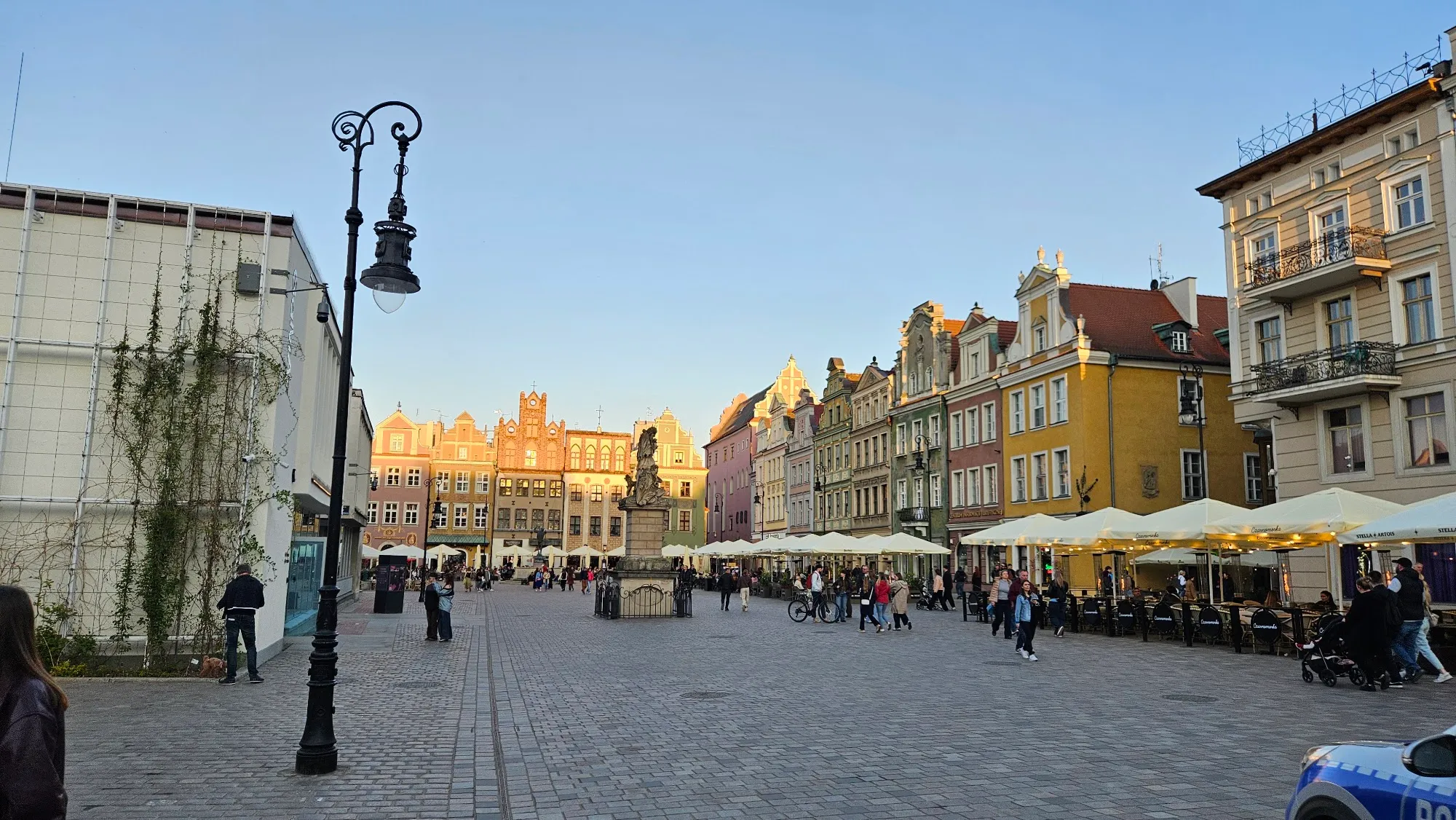
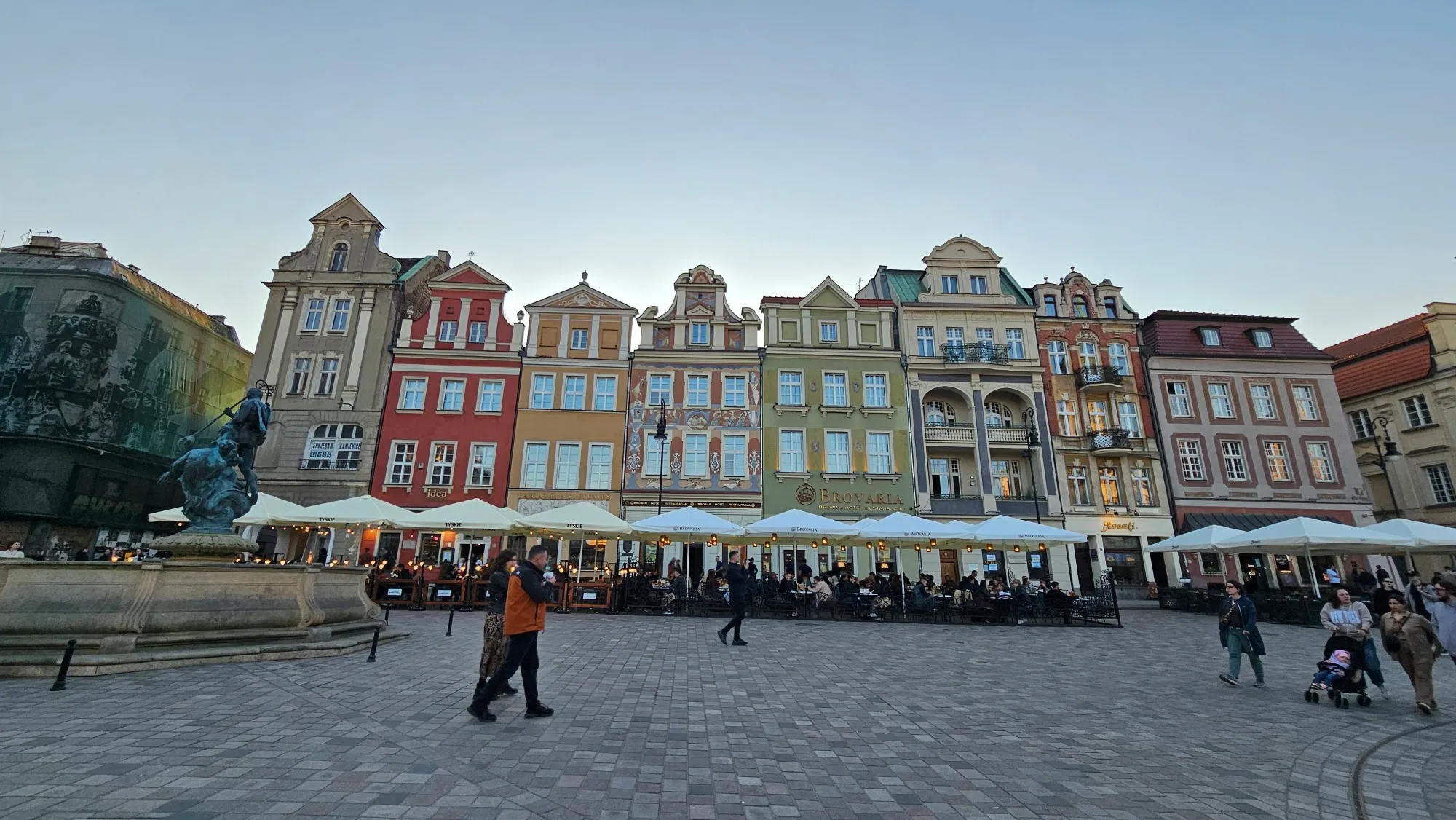
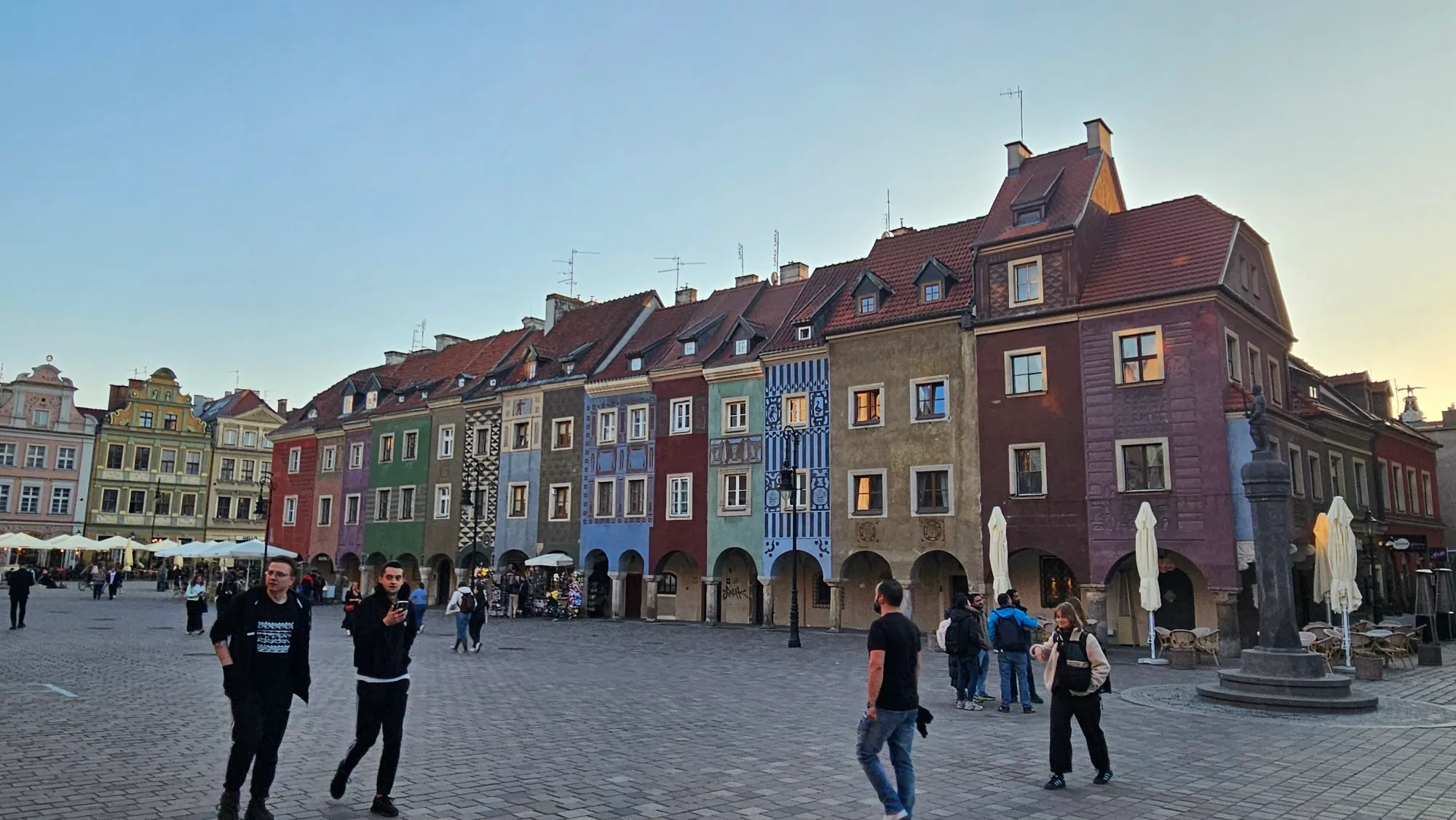
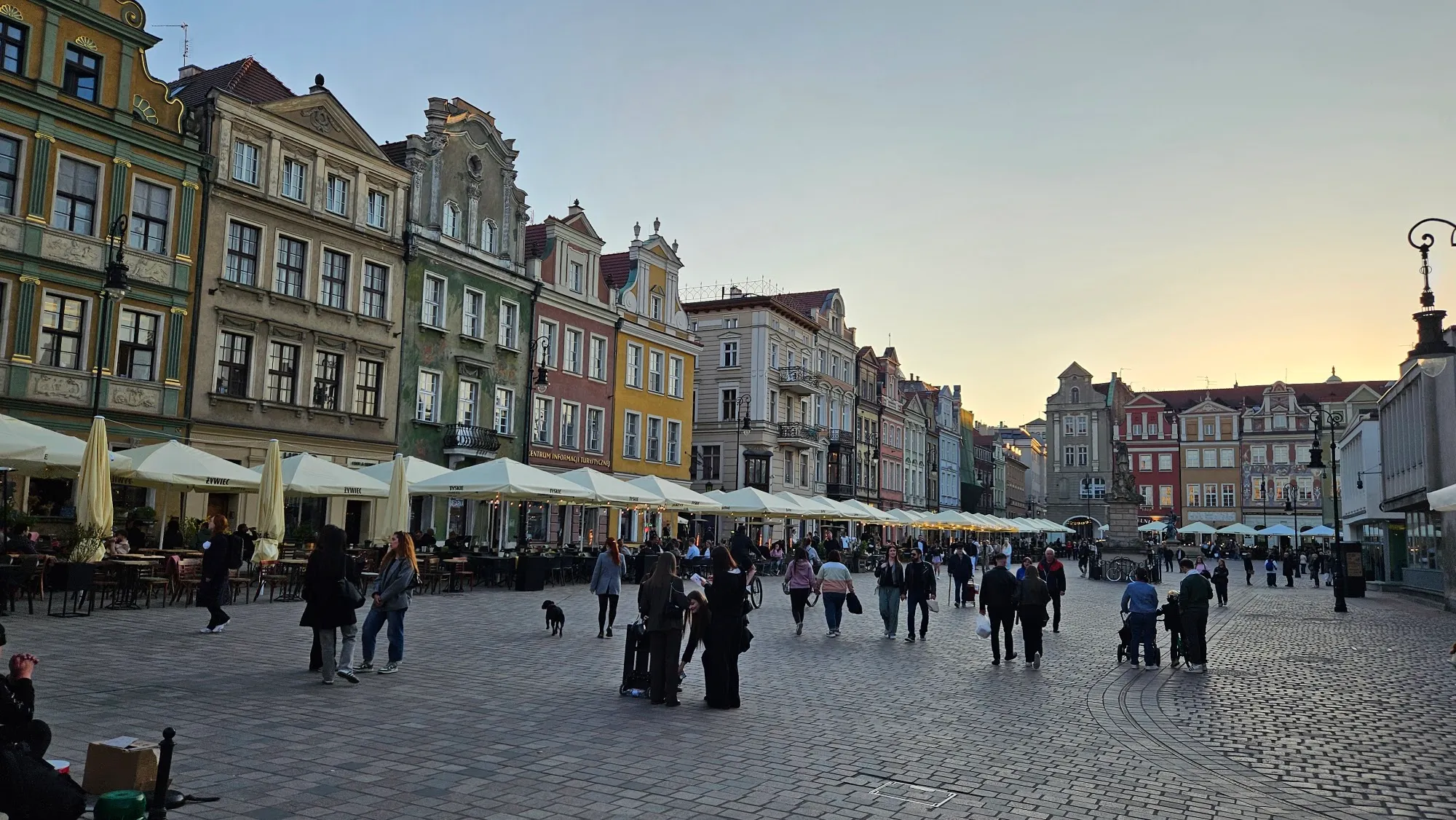
The heart of the city is the Old Market Square (Stary Rynek), lined with colourful merchants’ houses, with the Renaissance town hall in the middle. Every day at noon, two mechanical goats come out above the town hall clock and butt heads twelve times. The last two photos are from the evening.
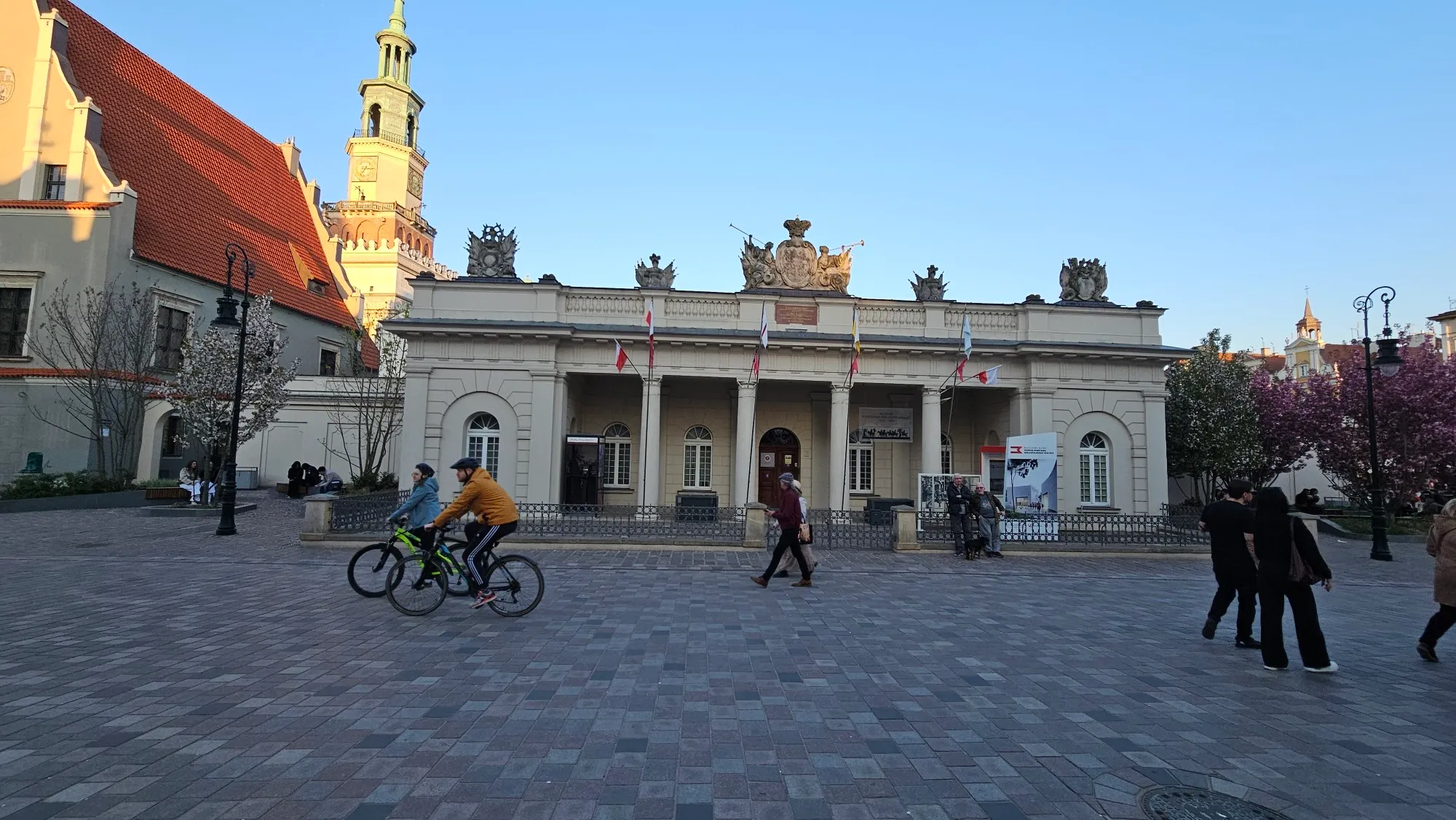
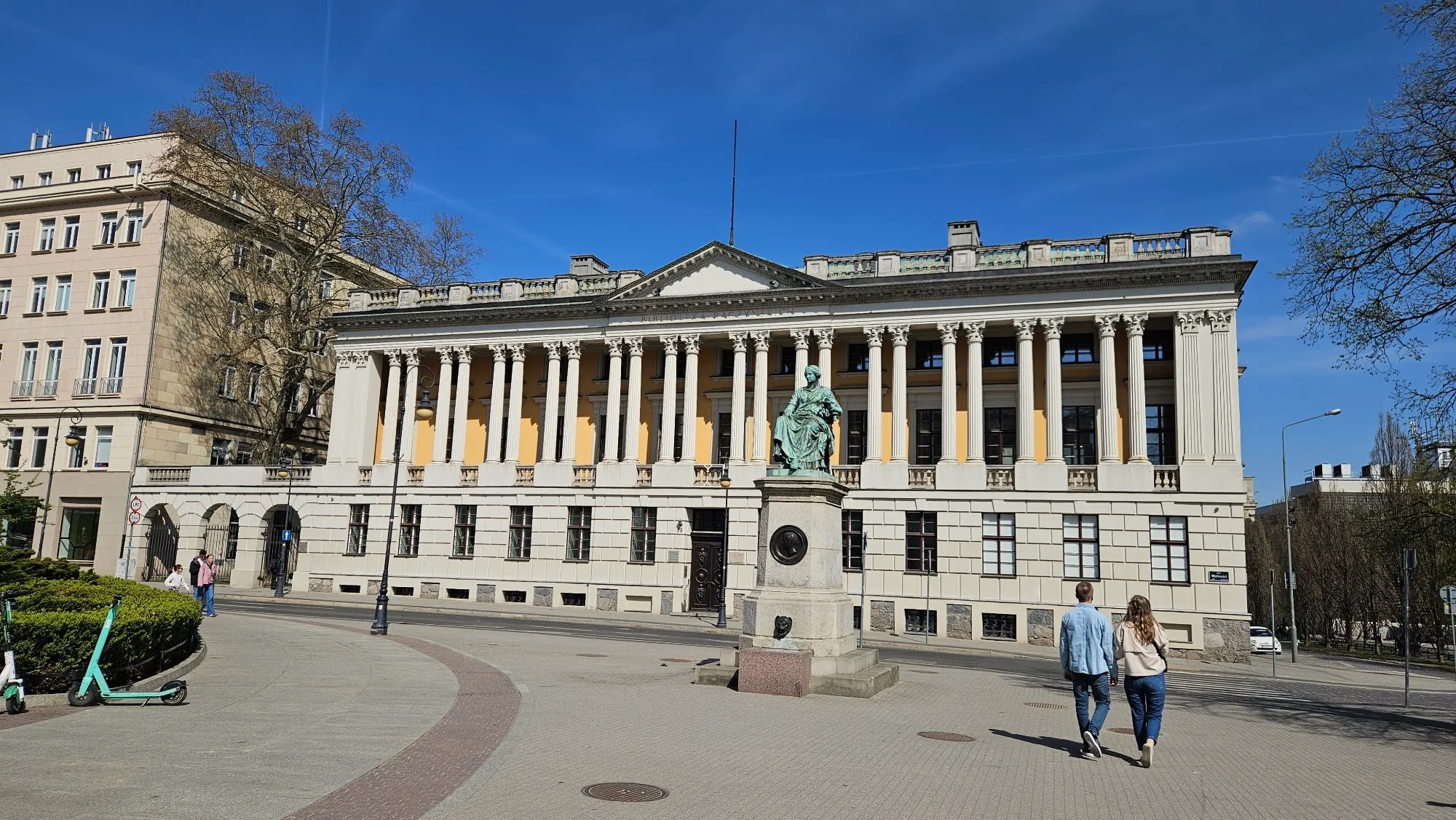
Not far from there, on Plac Wolności, is the Raczyński Library, with its long row of columns.
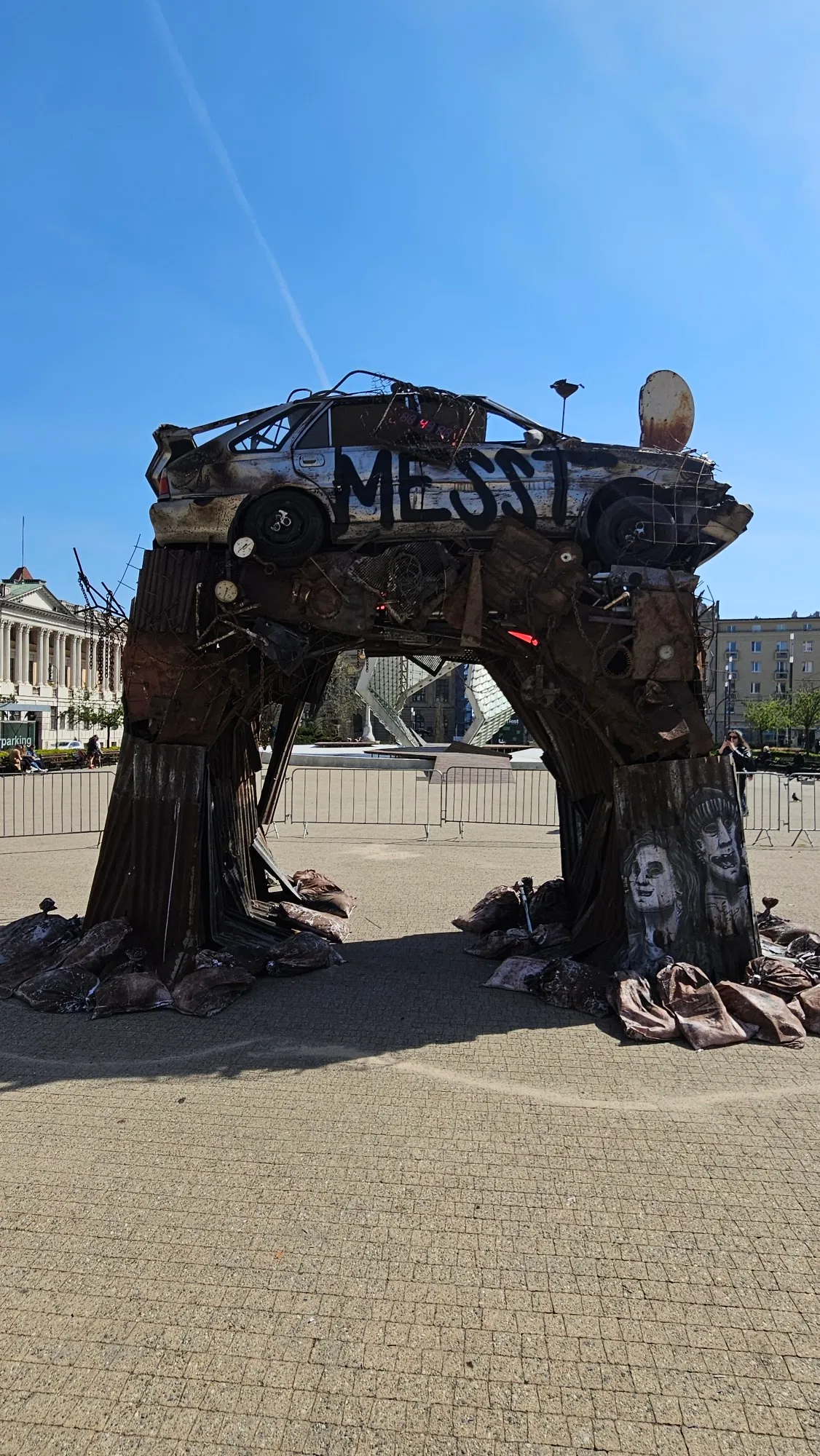
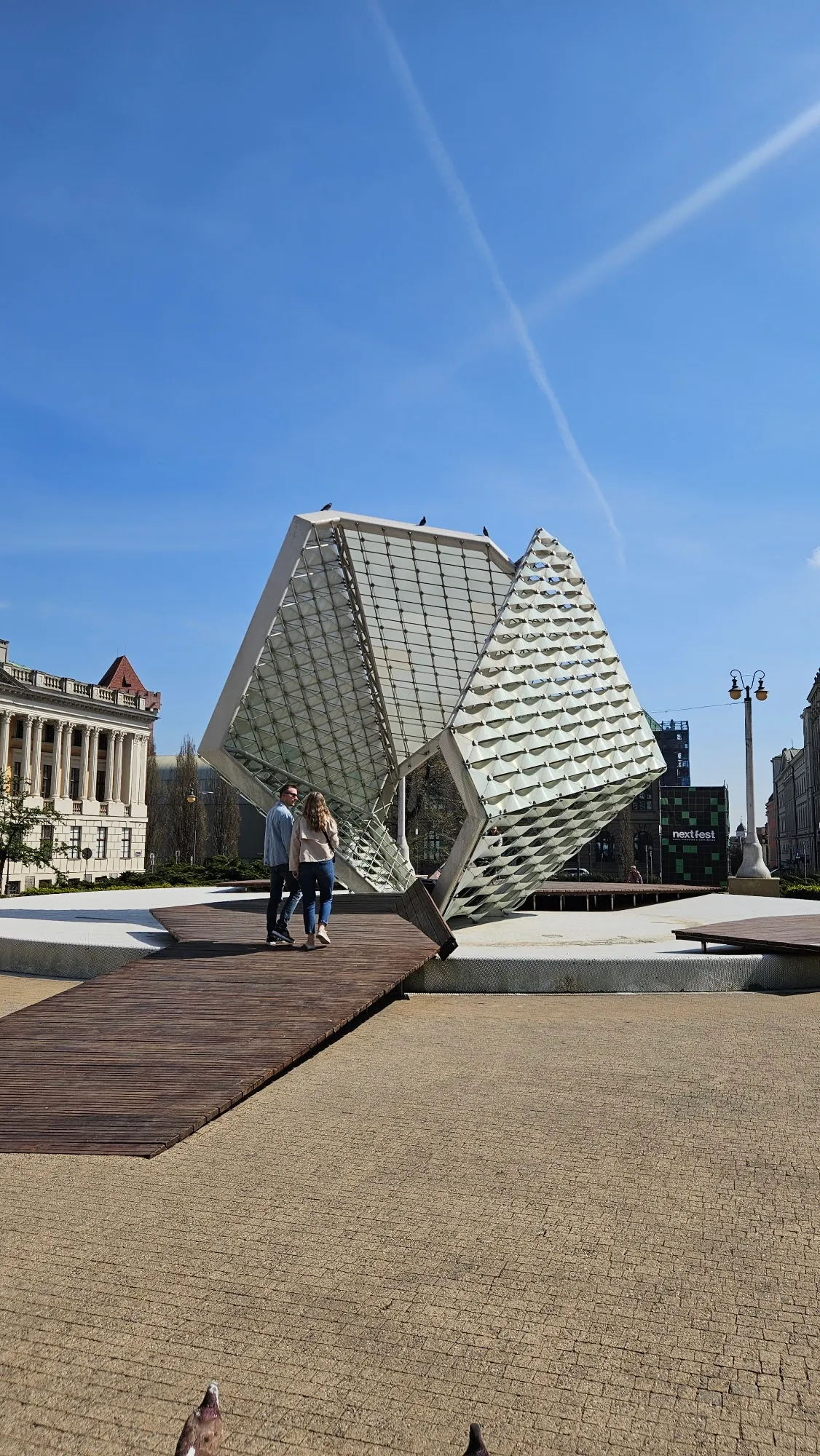
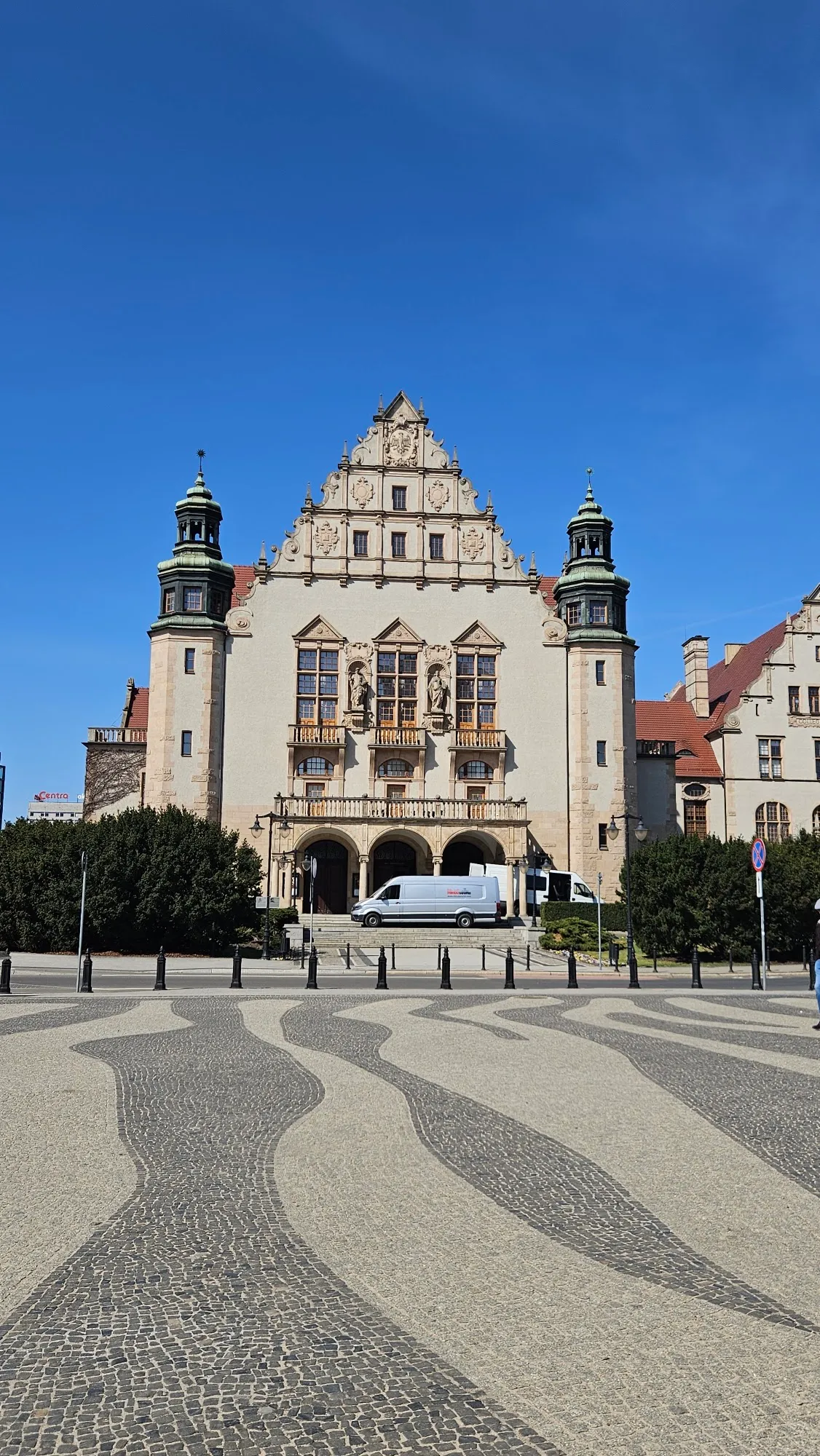
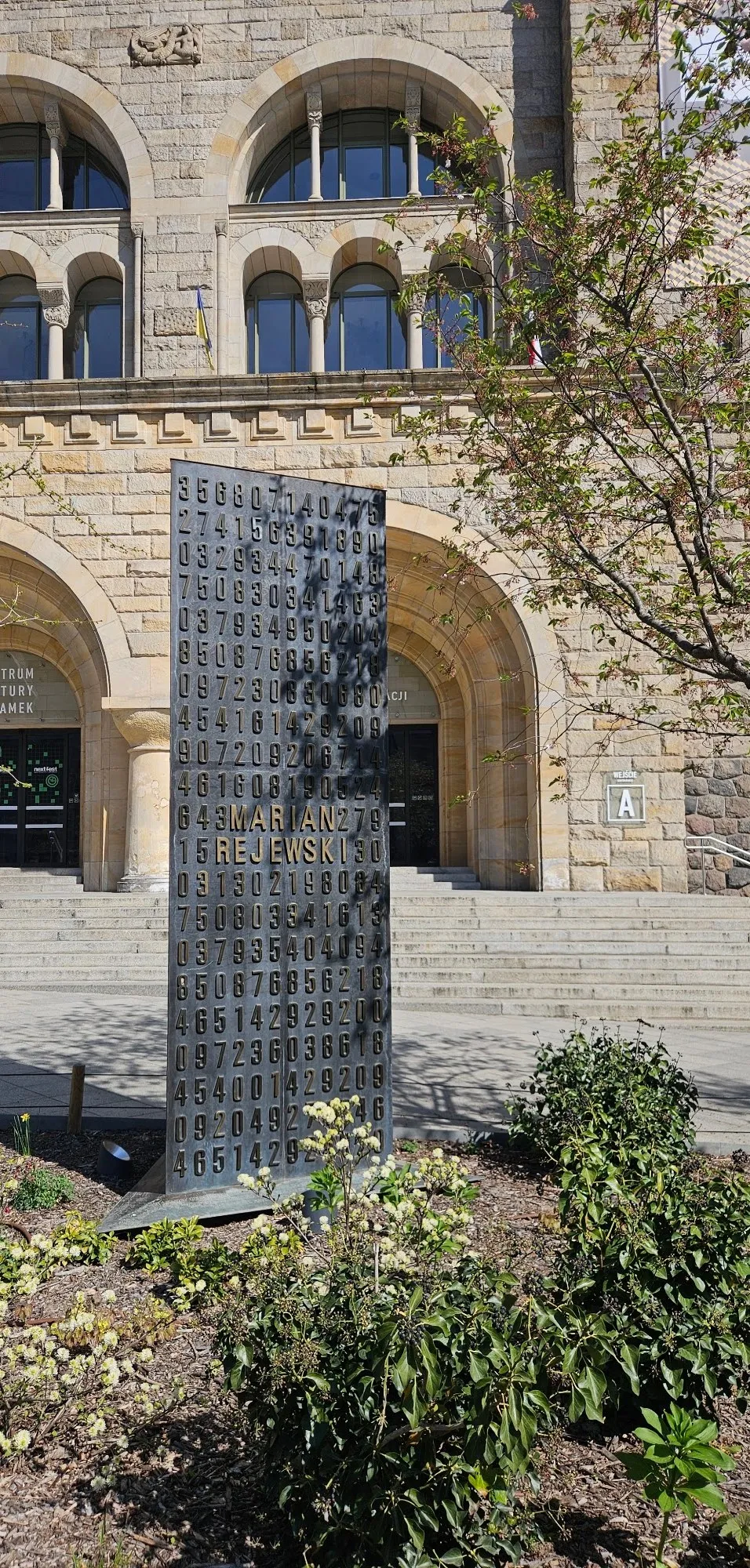
I also walked through the Imperial District, around the Imperial Castle and the buildings of Adam Mickiewicz University. It was built in the early 1900s, when Poznań was part of Germany. In front of the castle, I found a monument to the three students of the University of Poznań who broke Enigma, the cipher machine Nazi Germany used in the Second World War: Marian Rejewski, Jerzy Różycki and Henryk Zygalski.
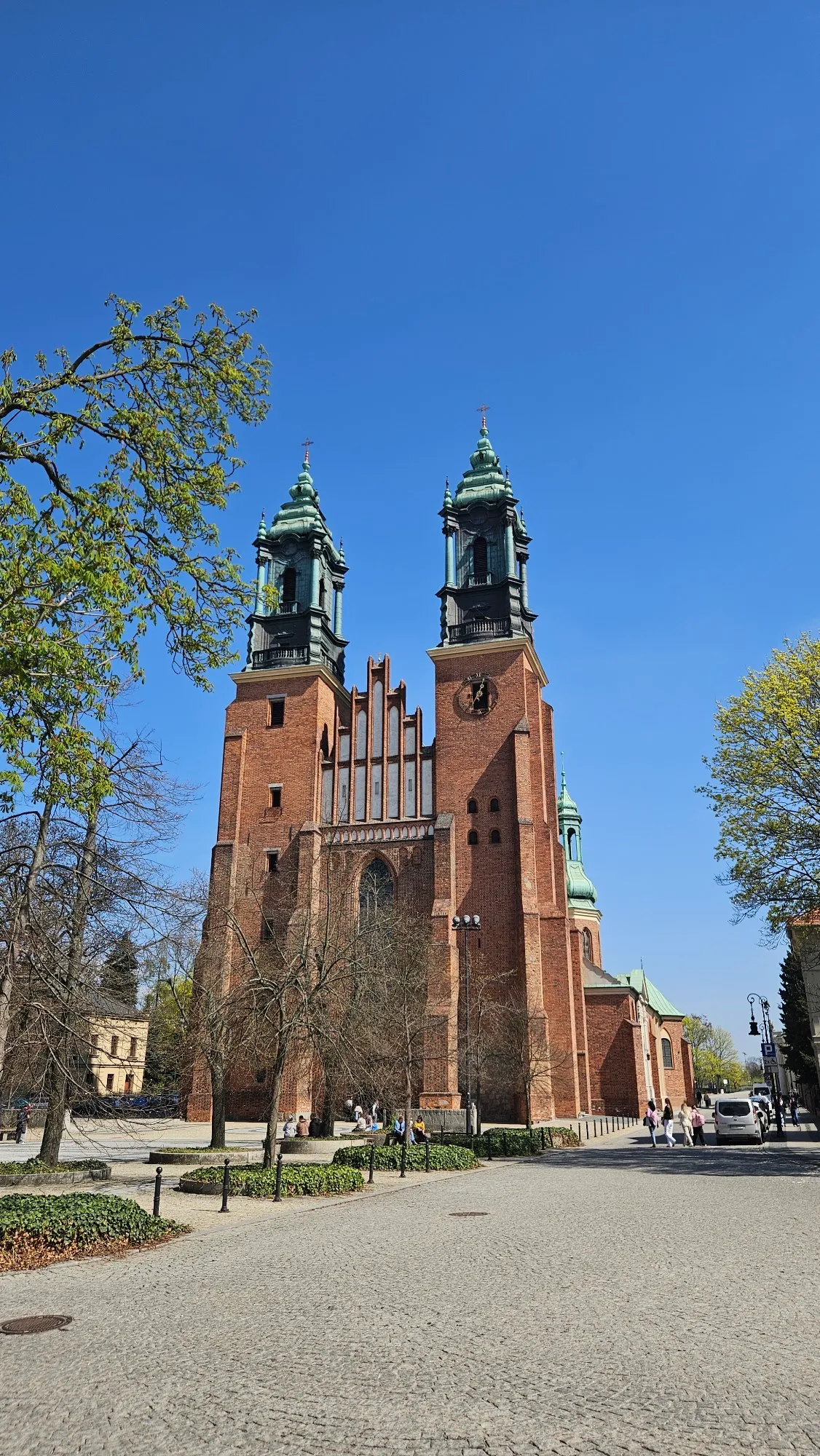
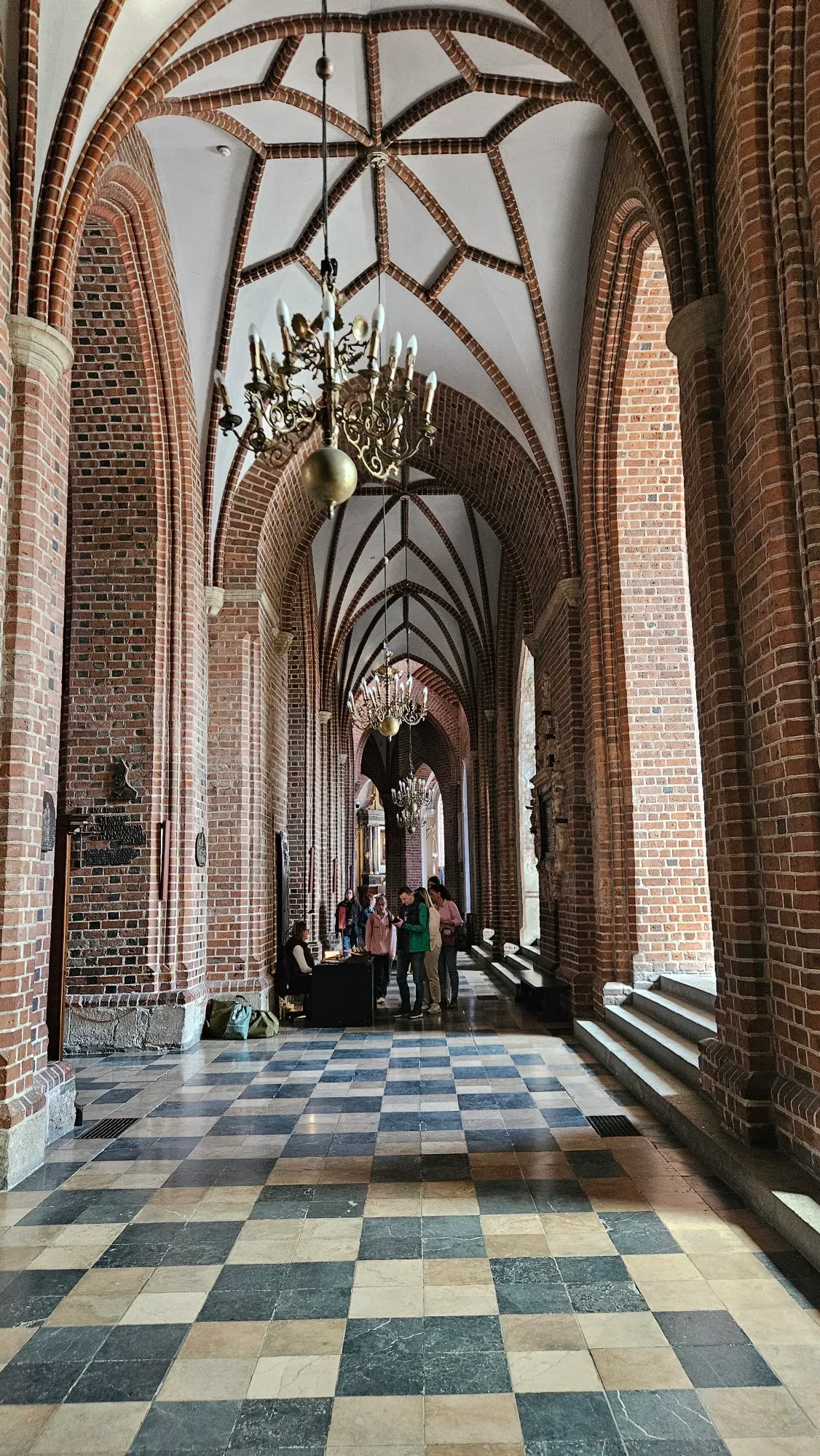
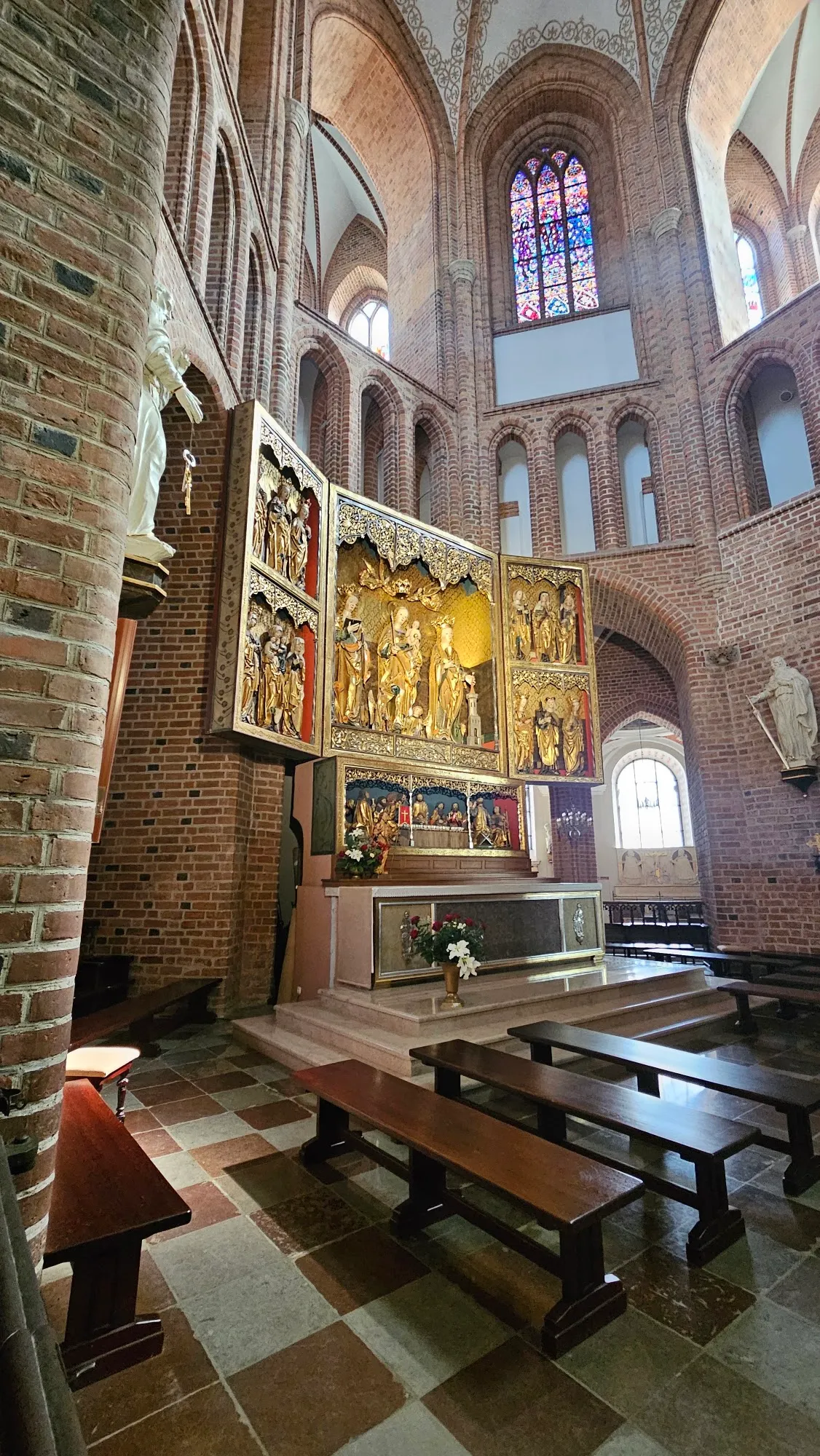
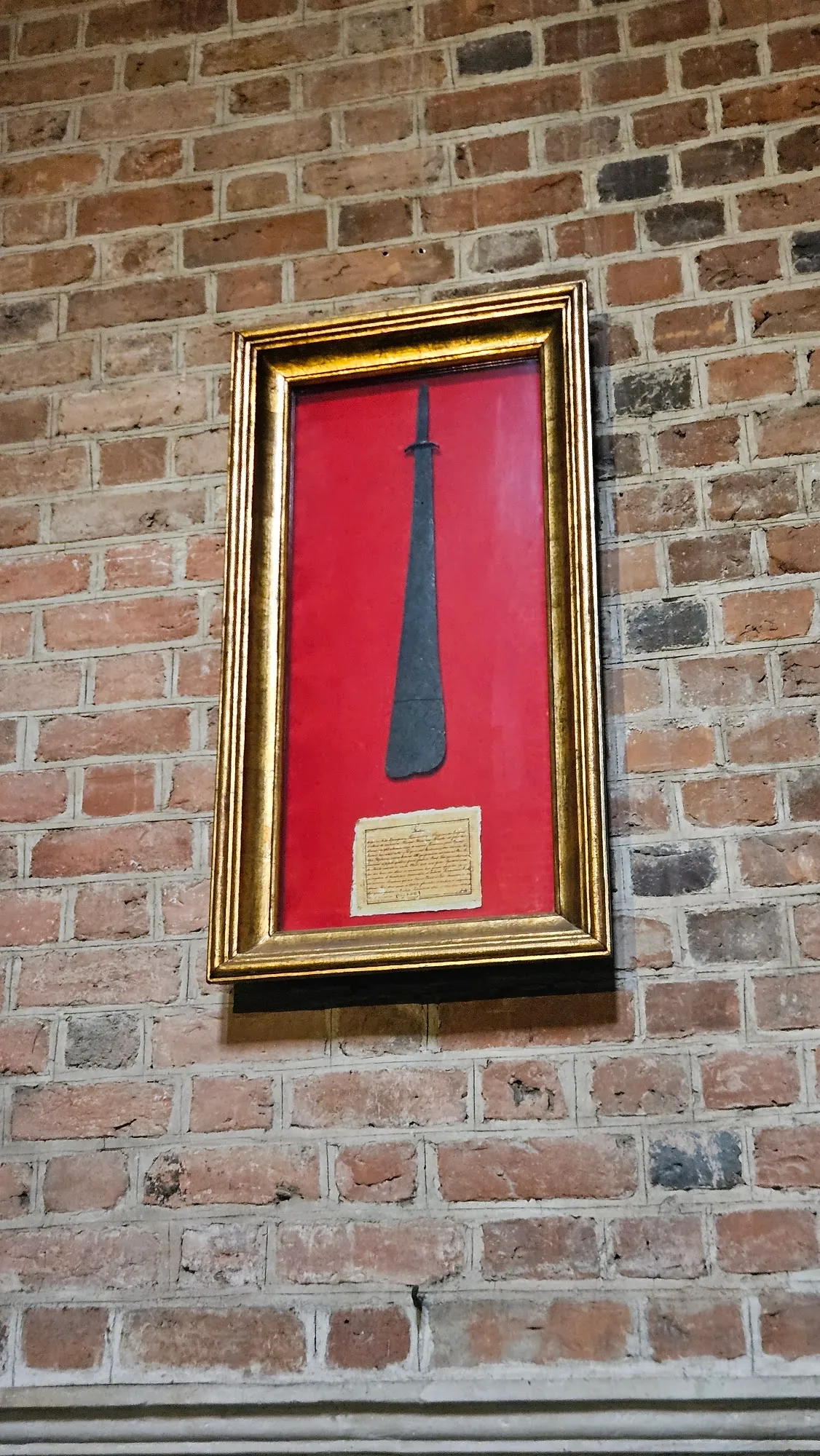
I also visited Poznań Cathedral, on Ostrów Tumski, the island where the city began. It’s the oldest cathedral in Poland, and the first rulers of Poland, Mieszko I and Bolesław the Brave, were buried there. On one wall, there’s a copy of the Sword of St Peter. Legend says it’s the sword Peter used to cut off a servant’s ear in the Garden of Gethsemane. The original is kept in the Archdiocesan Museum.
Race Day
The weather on race day was good, good for a personal best. Maybe that tempted me too, and I started too fast.
The start felt a bit crowded, but the course was quite flat, with fairly few turns. And I think this was the race where I ran my first kilometres the fastest: the first 4 km were all between 4:36 and 4:41, faster than the 4:47 per km I needed for a personal best. For a long time, I was even ahead of the 1:40 pacers, which shows how fast I started.
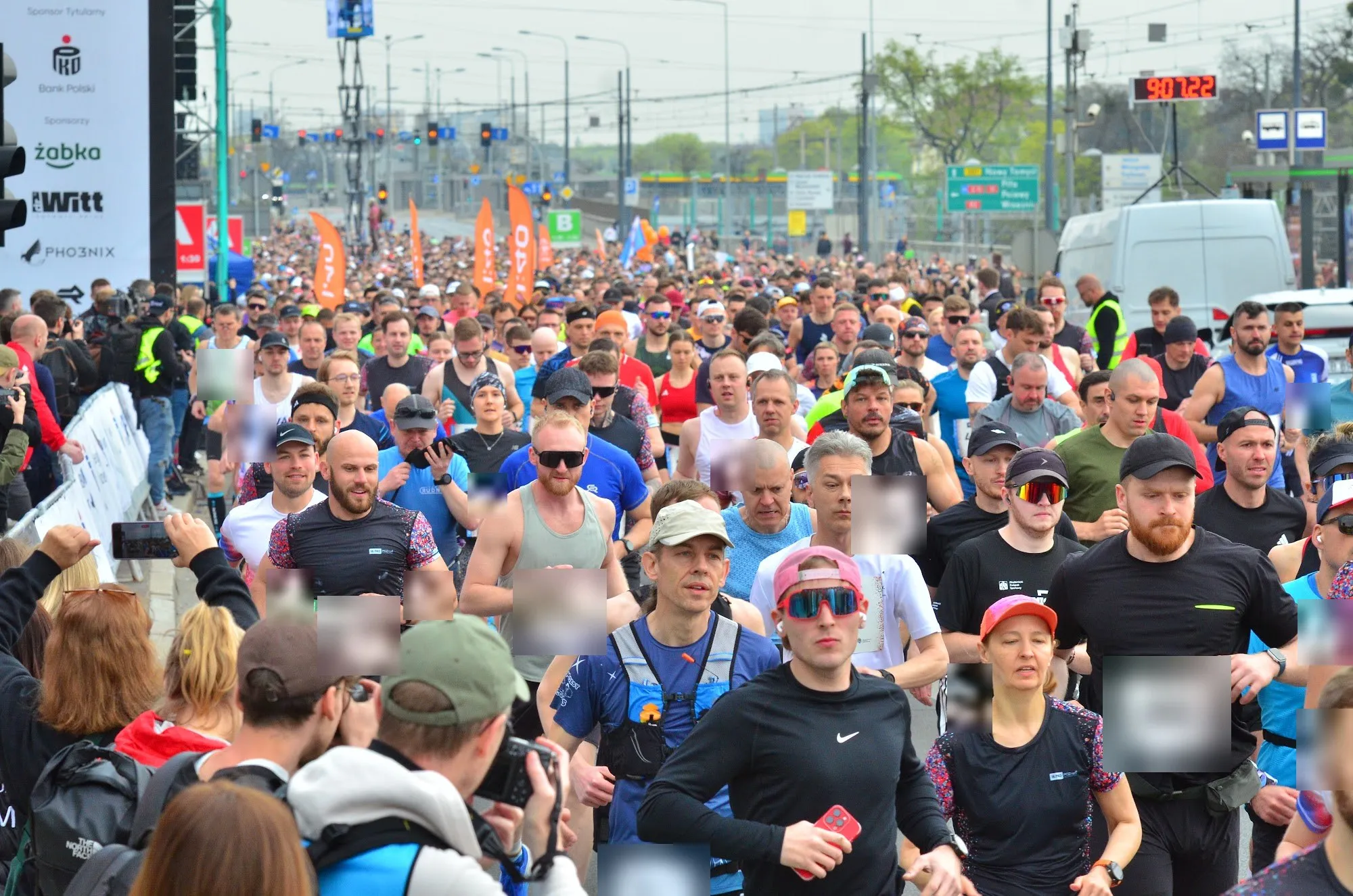
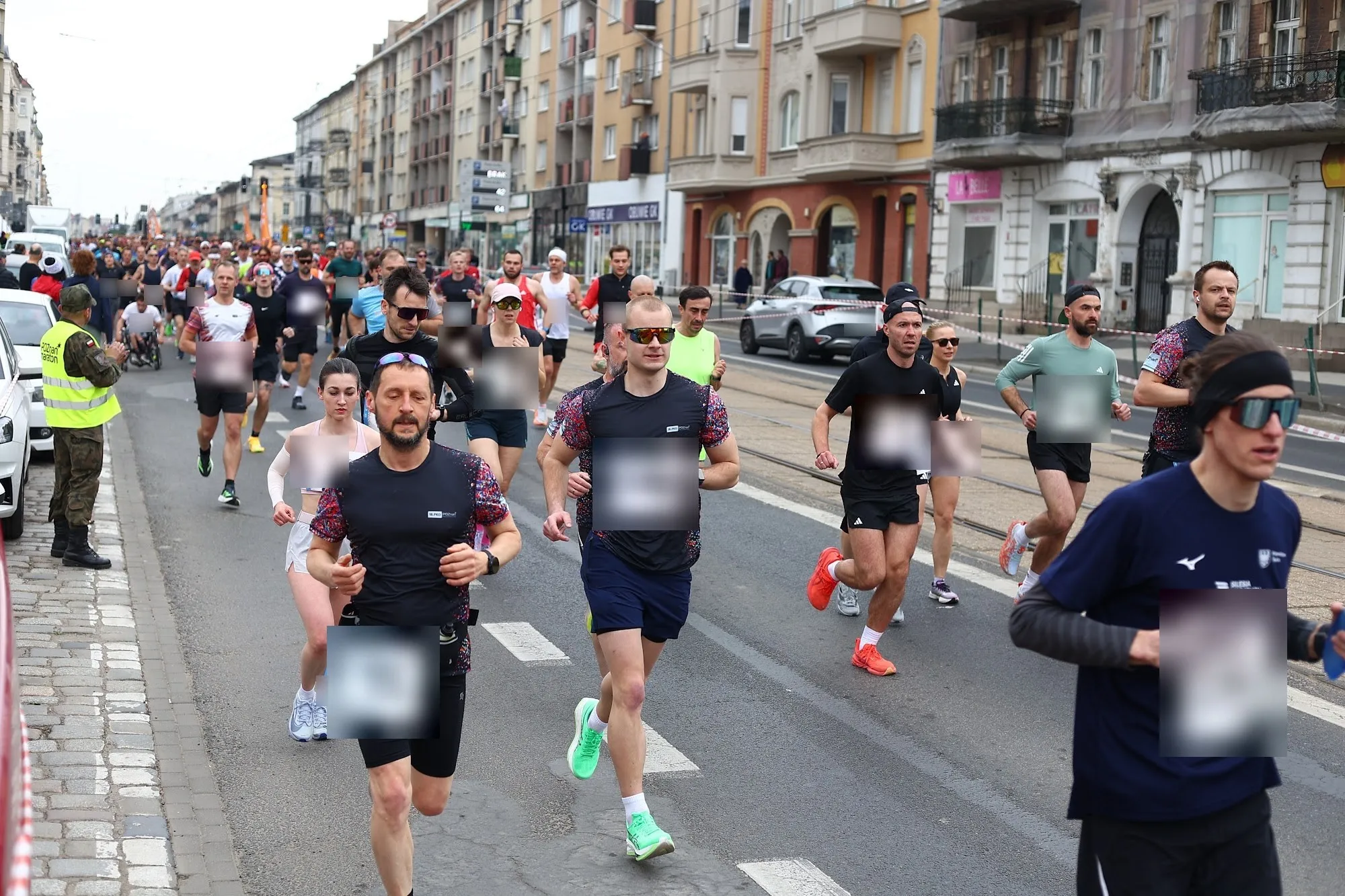
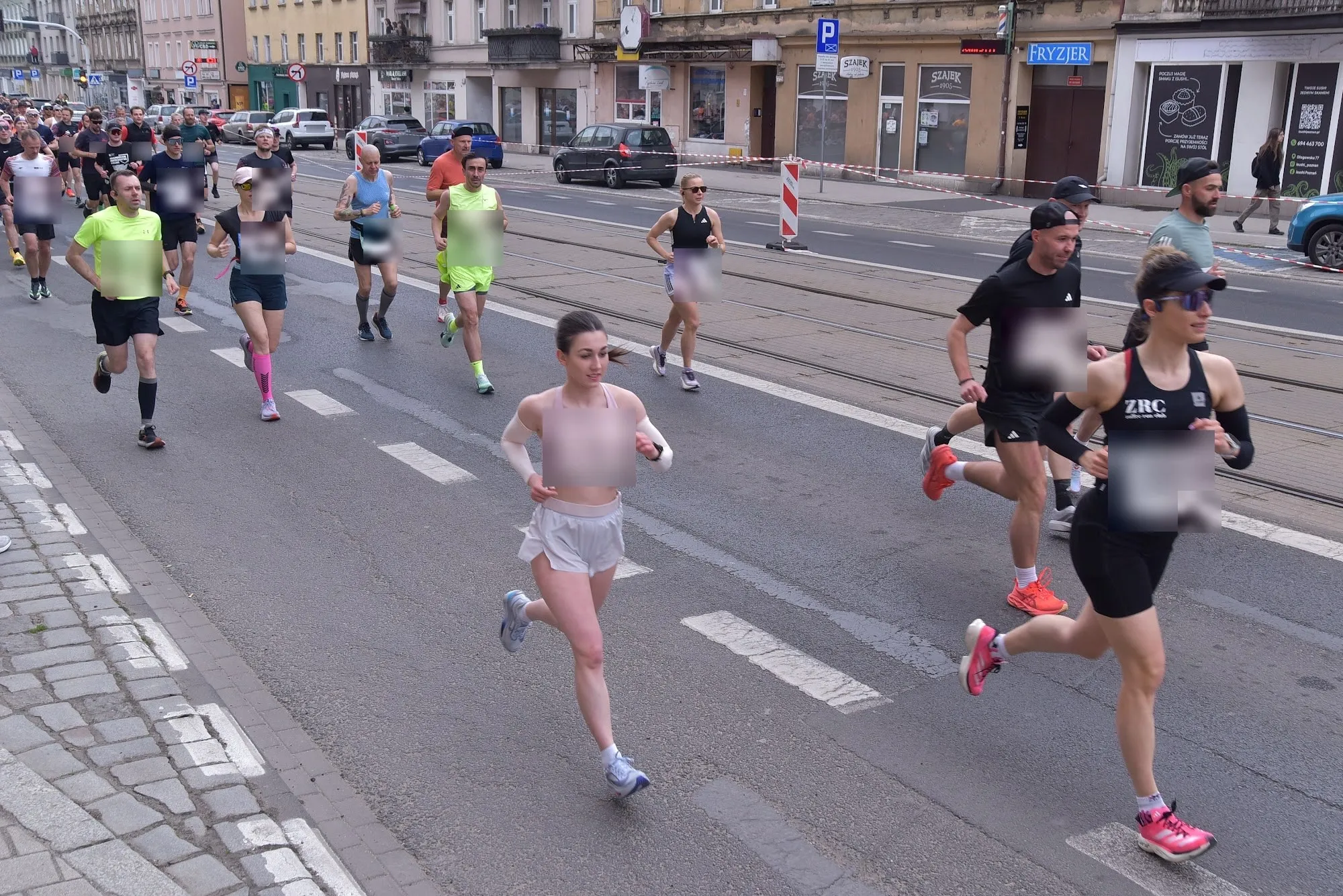
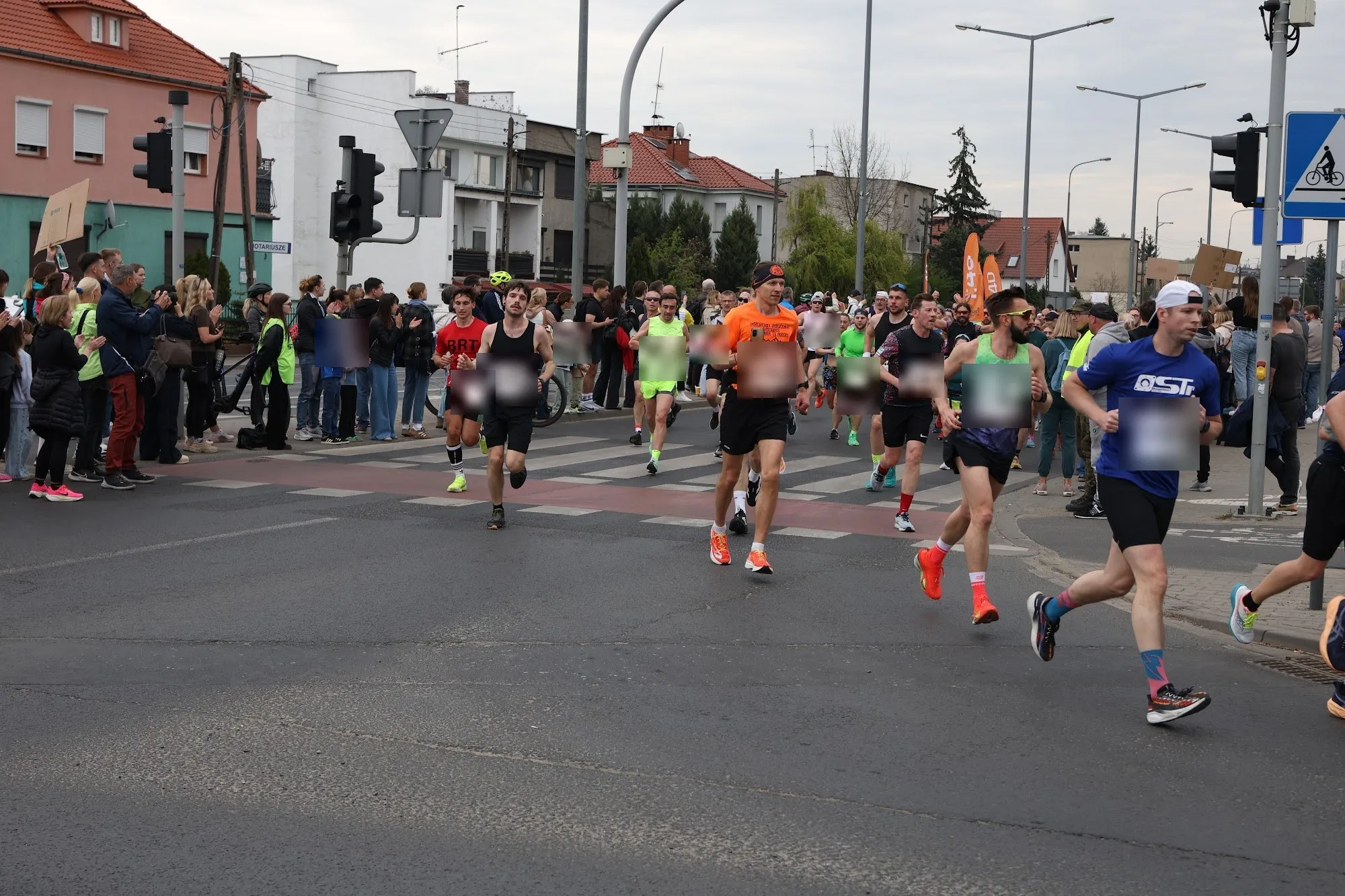
After Warsaw, I had also watched a course on running technique, and I decided to try it out here. Basically, I pushed off harder with my back leg to make my stride longer. I don’t know if that’s why I ran the first kilometres much too fast, but it definitely tired me out much more than in Warsaw, and my heart rate was much higher too: in the first 8 km, it was 171–173, against 167–169 in Warsaw at about the same pace. That could also be the weather, though: it was a few degrees warmer than in Warsaw.
Of course, at around km 8, I felt I couldn’t hold the pace any more. Once I got tired, my technique fell apart, and in the last few kilometres I was running at 5:20 per km.
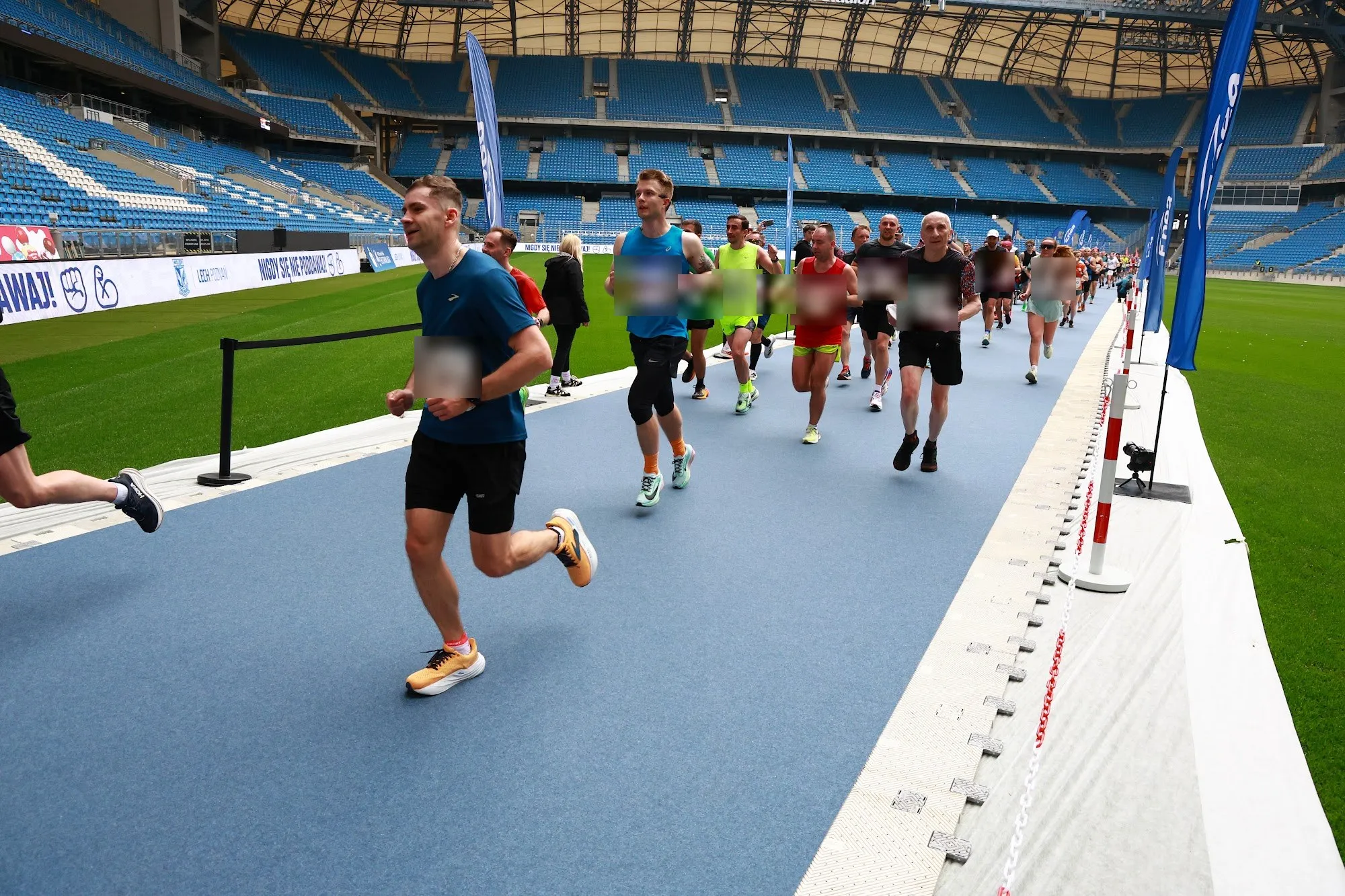
The adductor didn’t hurt. It felt tired, but it never told me to stop. Still, I don’t think I was 100% recovered, so I shouldn’t have run this race so fast.
The Numbers
| Poznań 2026 | |
|---|---|
| Official time | 1:47:04 |
| 5 km splits (watch) | 23:24 · 24:43 · 25:59 · 26:23 |
| First vs. second 10 km | 48:07 vs. 52:22 |
| Pace | 4:36 at km 2, 5:06 at km 10, 5:20 at km 19 |
| Heart rate | avg 170, max 180, and 168–173 from km 2 to the finish |
| Cadence | about 187 steps/min |
| Weather | 13°C (55°F) at the start, 15–17°C (59–63°F) by the finish, overcast, 51–56% humidity, almost no wind |
| Polish Crown so far | Warsaw 1:42:08 · Poznań 1:47:04 |
Final Thoughts
It feels like a missed opportunity. I should have trained specifically for Poznań, not for Warsaw, and set my personal best here.
I’m worried this will ruin my next race, although it’s still a month away, so maybe I’ll have time to recover fully.
Even so, I recommend this race. If you’re doing the Polish Crown, it’s one of the best races for a fast time.
Running it yourself?Plan this race with euroslam.run →Date, race-week weather and hotels near the start.EuroSlam is my own free side project. Some hotel links on the site earn me a small commission, at no extra cost to you.
I'm a recreational runner with an office job, testing running science on my own legs. More about me.