Harmonie Mutuelle Semi de Paris 2023
Je t'aime, Paris
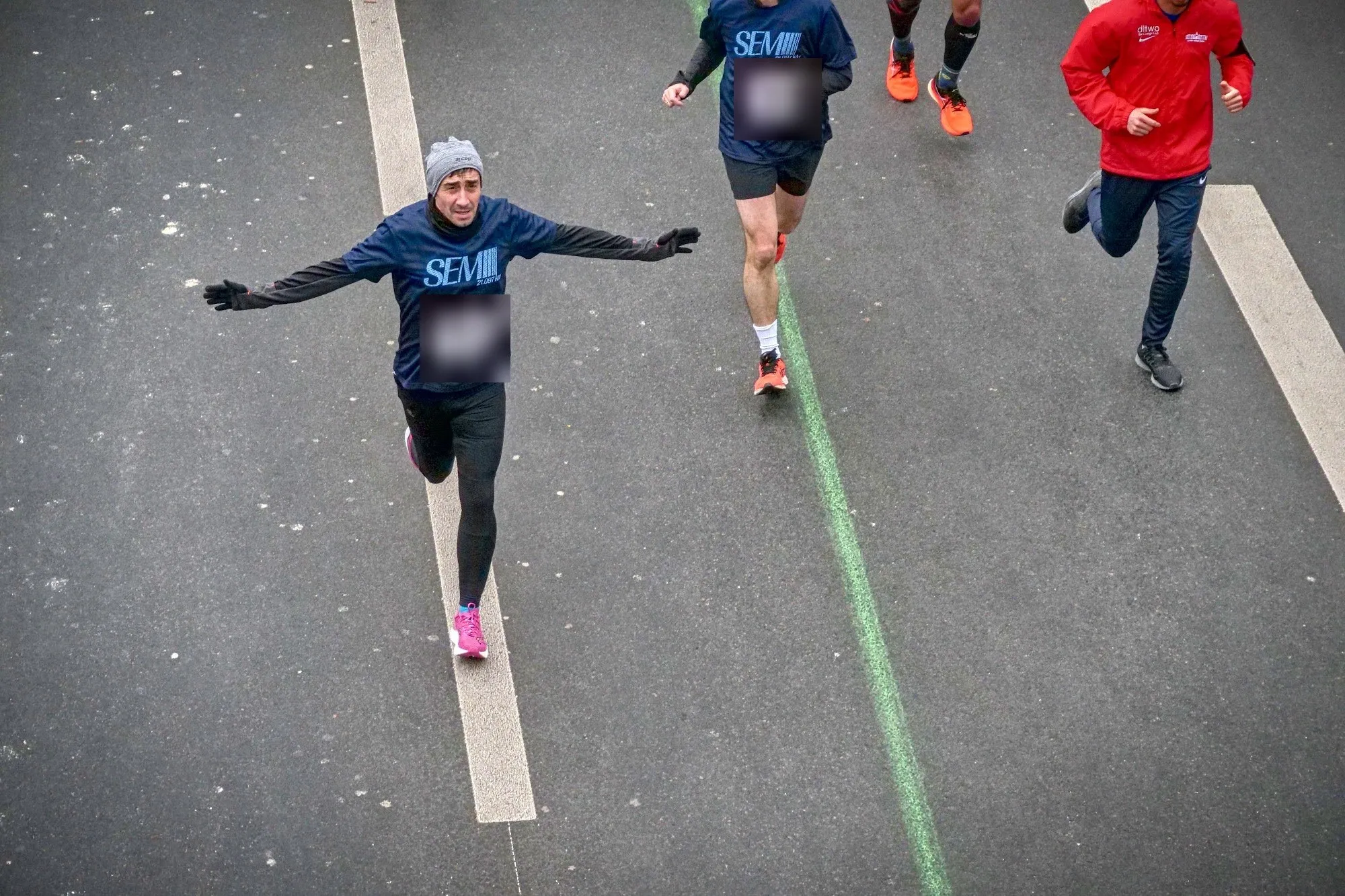
Paris will be the race that stays in my heart forever. Je t’aime, Paris.
That’s because, when I ran in Paris, it was exactly one month after surgery for a perforated appendix. It came out of nowhere: I was taken to hospital by ambulance, and after six hours of tests, the doctors decided to operate. The surgery took two hours, under general anaesthesia, and I spent four days in hospital.
After all that, I felt a bit depressed, because everyone kept telling me it would be hard to get back to running. Even the doctor suggested I start with short runs. When I asked him what short meant, he asked me what short meant for me. I said 7–8 km. He said he was thinking of 5–6 minutes. I told him that for 5–6 minutes, I wouldn’t even leave the house.
After a short briefing on how the surgery might hurt, and that I should stop immediately if it did, I left the doctor with a few instructions on how to start running again.
That’s exactly what I did, with runs that got a little longer each time. But I wasn’t sure I could finish a half marathon at all, so it took a lot of convincing before my wife agreed to let me go to Paris, which was already planned. The plan was to try to walk the whole course, just to finish it and get my medal. As you’ll see below, reality turned out very different from the plan.
About the Race
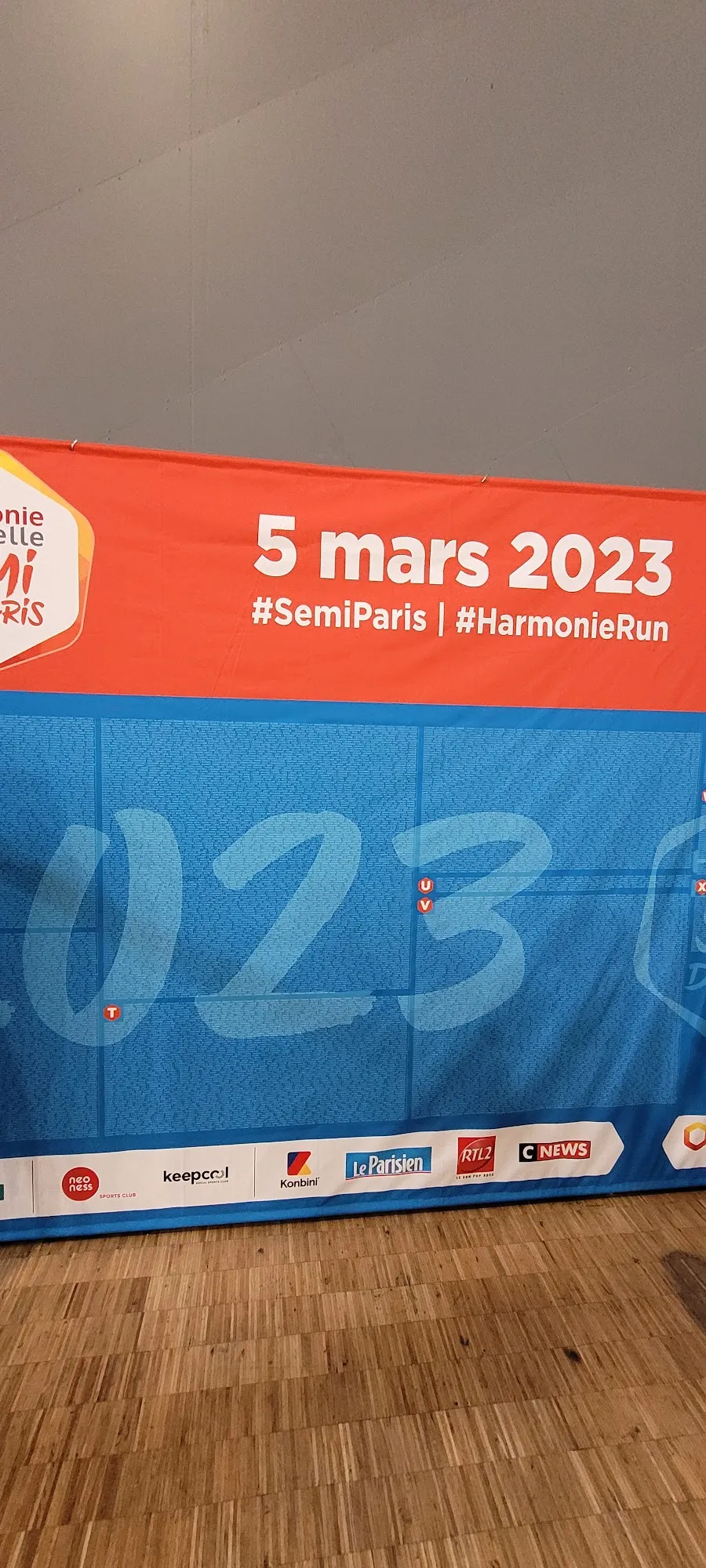
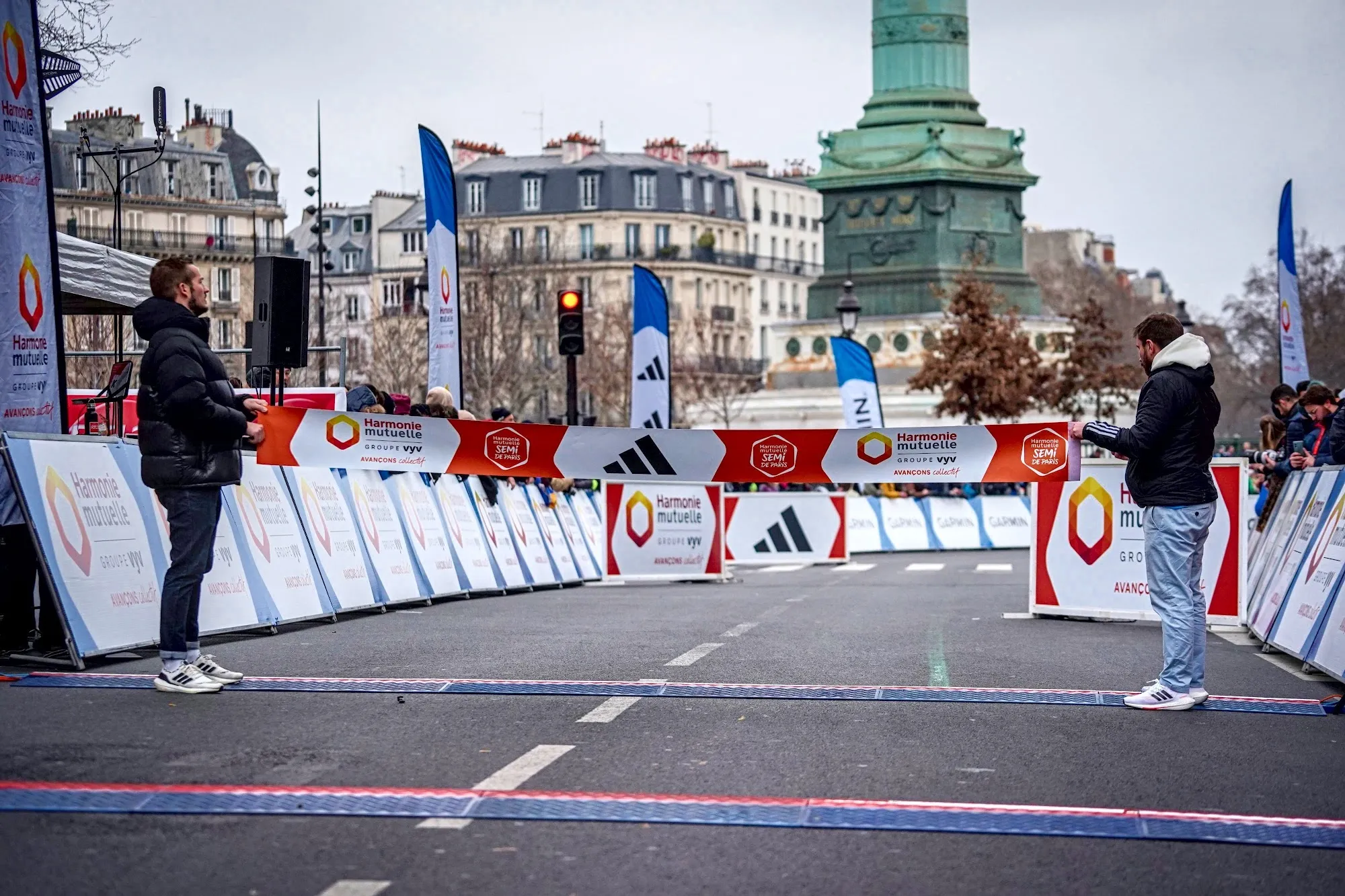
The 31st Harmonie Mutuelle Semi de Paris took place on Sunday, 5 March 2023, with more than 46,000 runners on the start line. The race village and the finish were at Place de la Bastille, and the start was close by, at the Pont de Sully. From there, the course follows the Left Bank past the National Library, crosses the Seine to Bercy and heads out to the Bois de Vincennes, almost as far as the Château de Vincennes. It comes back along Avenue Daumesnil and the Right Bank quays to the Hôtel de Ville, and finishes along Rue Saint-Antoine at Bastille. My watch measured 95 m of climbing.
Both winners set new course records: Roncer Kipkorir won the men’s race in 59:38, and Sheila Chepkurui the women’s race in 1:06:01. The old women’s record, 1:07:55, had stood since 2012.
Planning and Arrival
I flew to Paris with TAROM, and I looked for somewhere to stay very close to the start. I found the Hôtel Prince Albert Gare de Lyon, about 1 km from Place de la Bastille and 1.4 km from the start line. So on race morning, I walked to the start with Adrian, my running partner and a colleague from work, and that was our warm-up.
My rule is simple: you can always find a place within 2 km of the start, and use those 2 km as your warm-up.
Prices in Paris have always seemed very, very high to me, so I didn’t expect much from the hotel. It was well located, but the room was tiny: I opened my suitcase, and the room was full. It was also extremely cold. The bathroom had no heating at all, so I couldn’t stay in there without my jacket on.
All in all, considering how the race went, I think it was worth it. But next time, I’ll probably look for somewhere better.
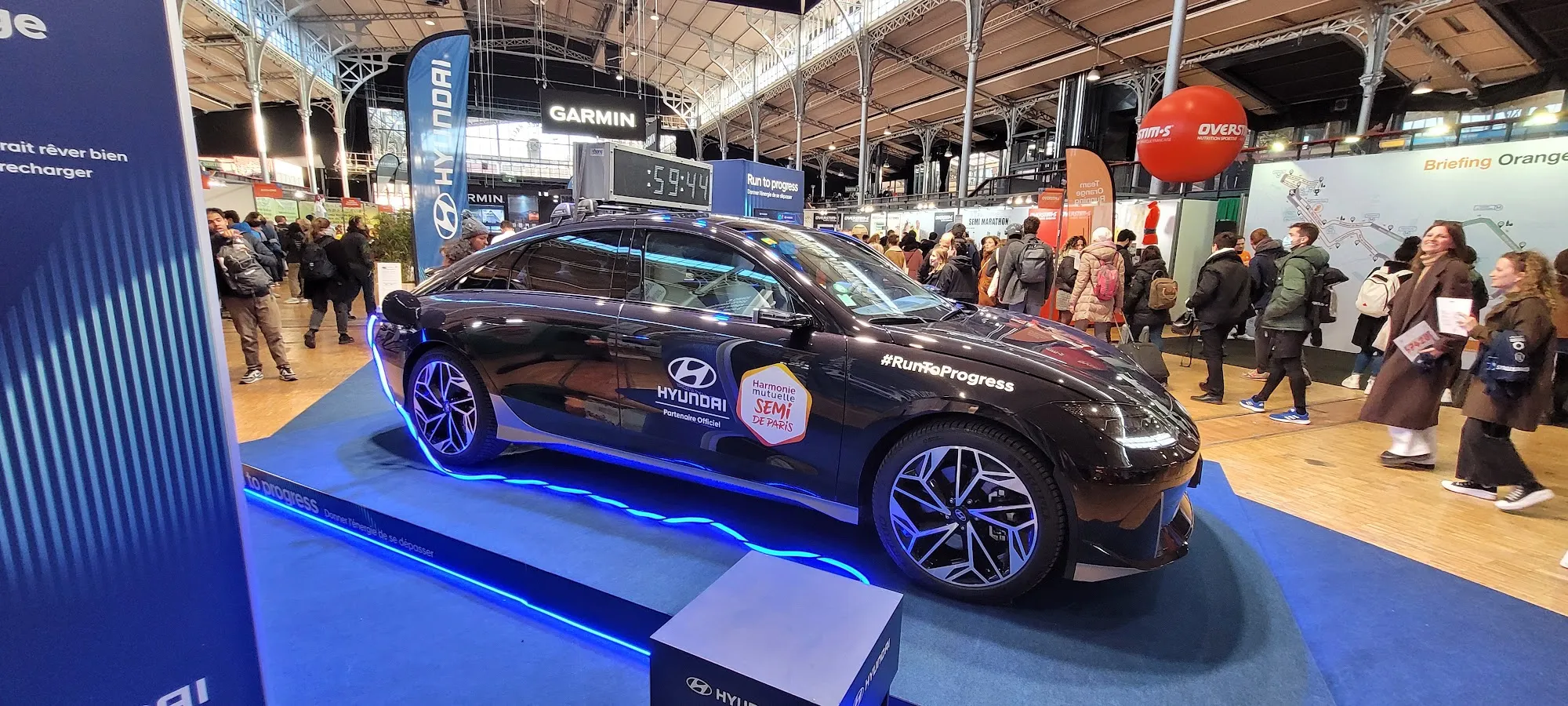
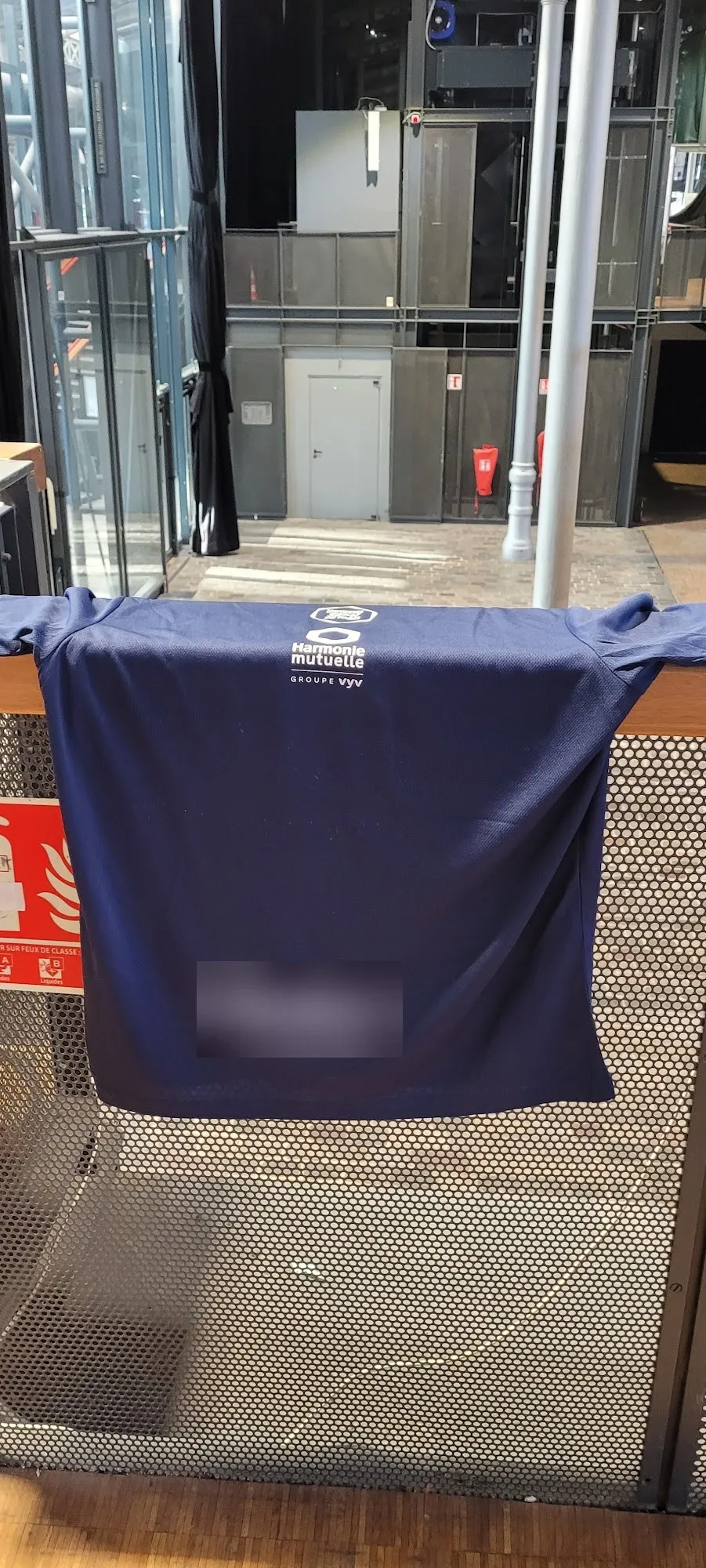
The expo had lots of stands, and I picked up my T-shirt very quickly. Everything went smoothly, and it was all very well presented. I bought some gels there, but you could buy plenty of other things too.
This was also the first race I’d run where the organisers let you personalise the T-shirt: the official race shirt had my name printed on the back. That turned out to be fun, because at one point during the race, I heard the people along the course, and there were quite a lot of them, shouting my name.
Exploring the City
The Sacré-Cœur Basilica stands on top of Montmartre, the highest hill in Paris, and its white domes can be seen from all over the city. From the steps in front of it, you get one of the best views of Paris.
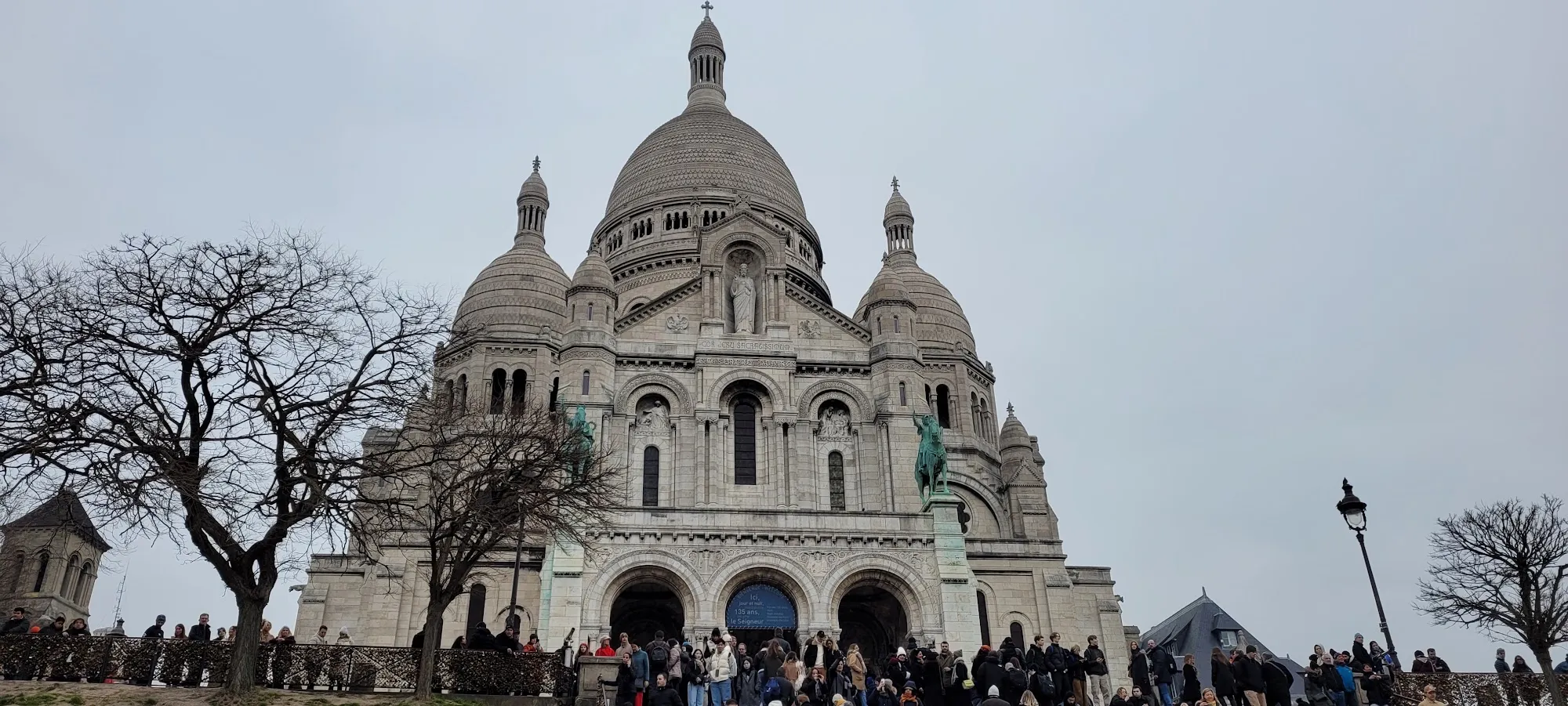
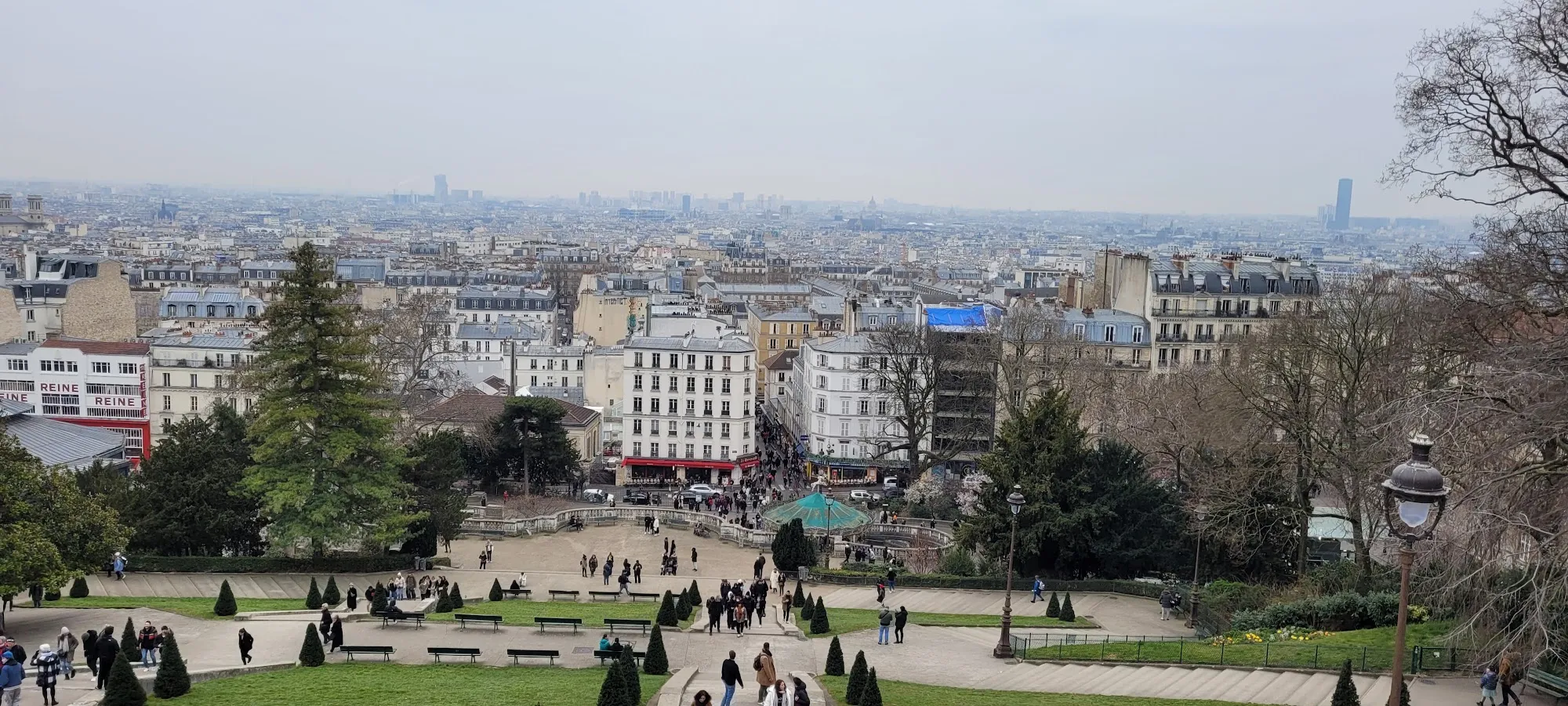
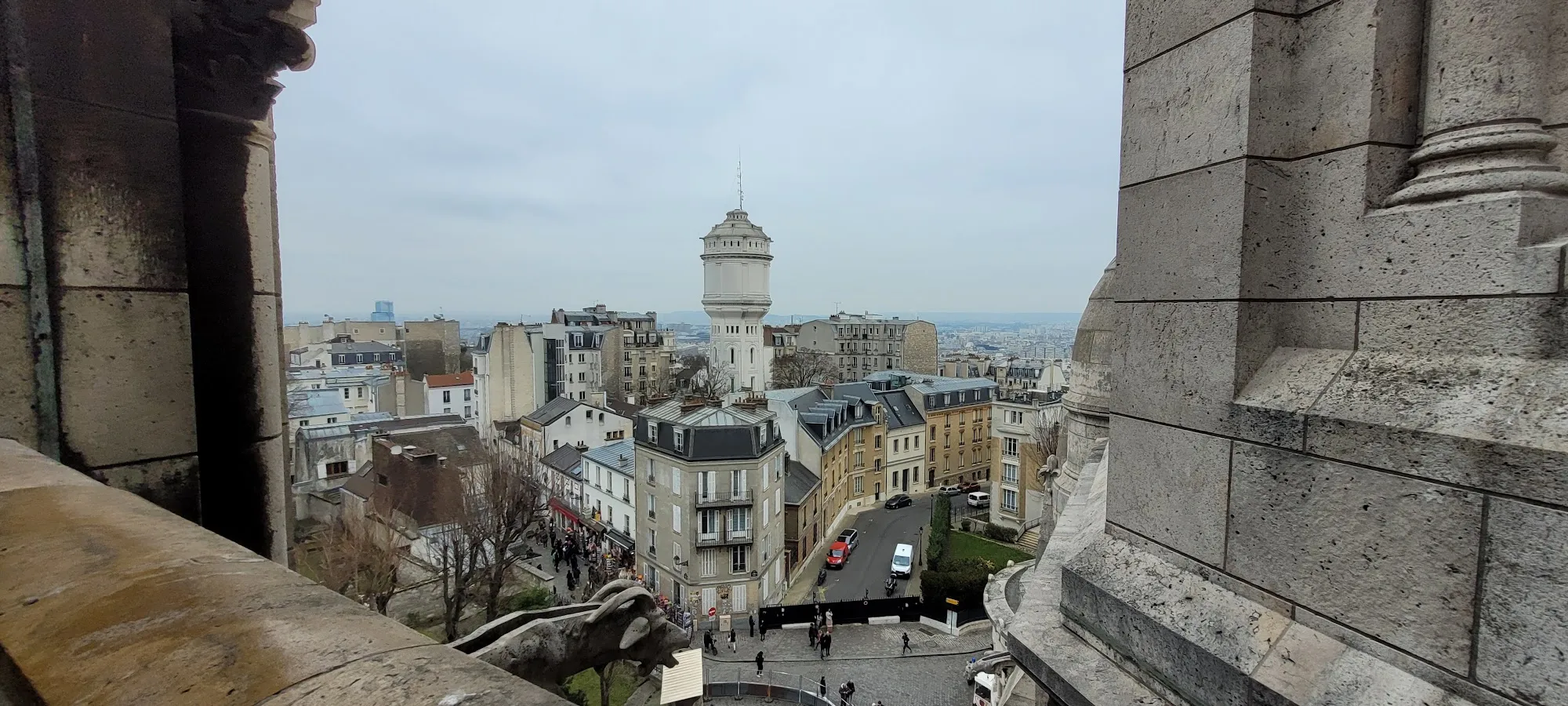
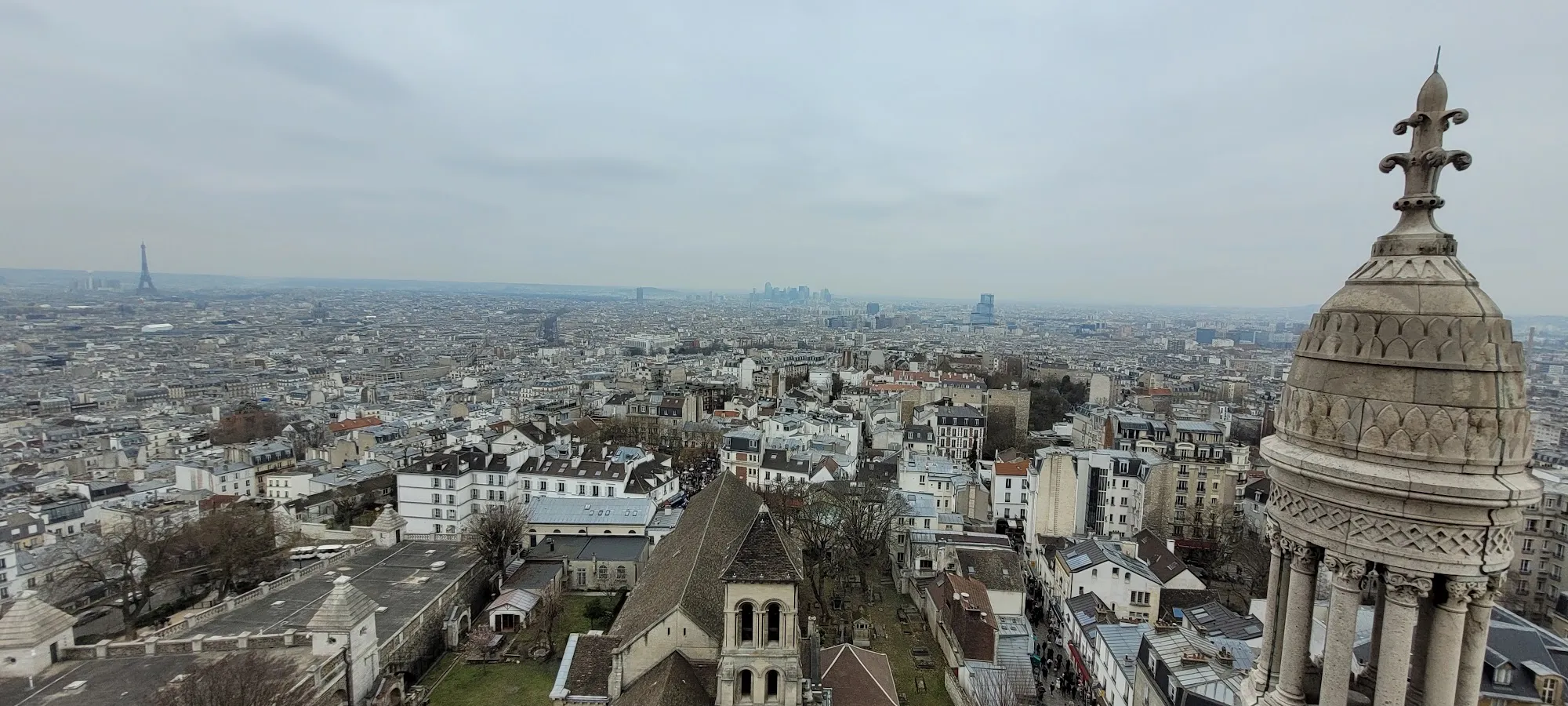
You can also climb the roughly 300 steps up to the dome. From the top, you can see the rooftops of Montmartre and its old water tower, the whole city all the way to the Eiffel Tower, and the gardens of Square Louise-Michel right below. On the way up, you pass the gargoyles, and from behind the basilica, you can see the bell tower, home to La Savoyarde, one of the heaviest bells in France.
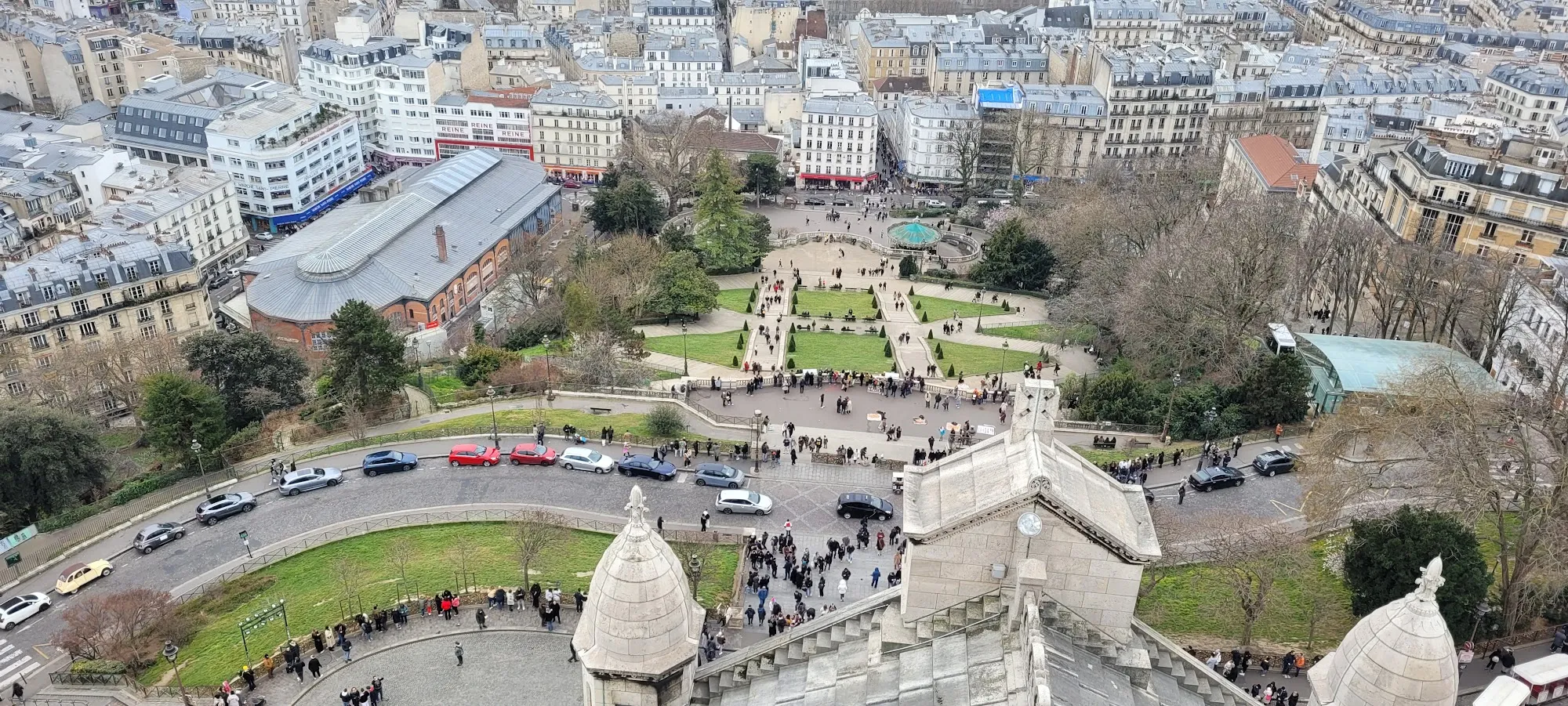
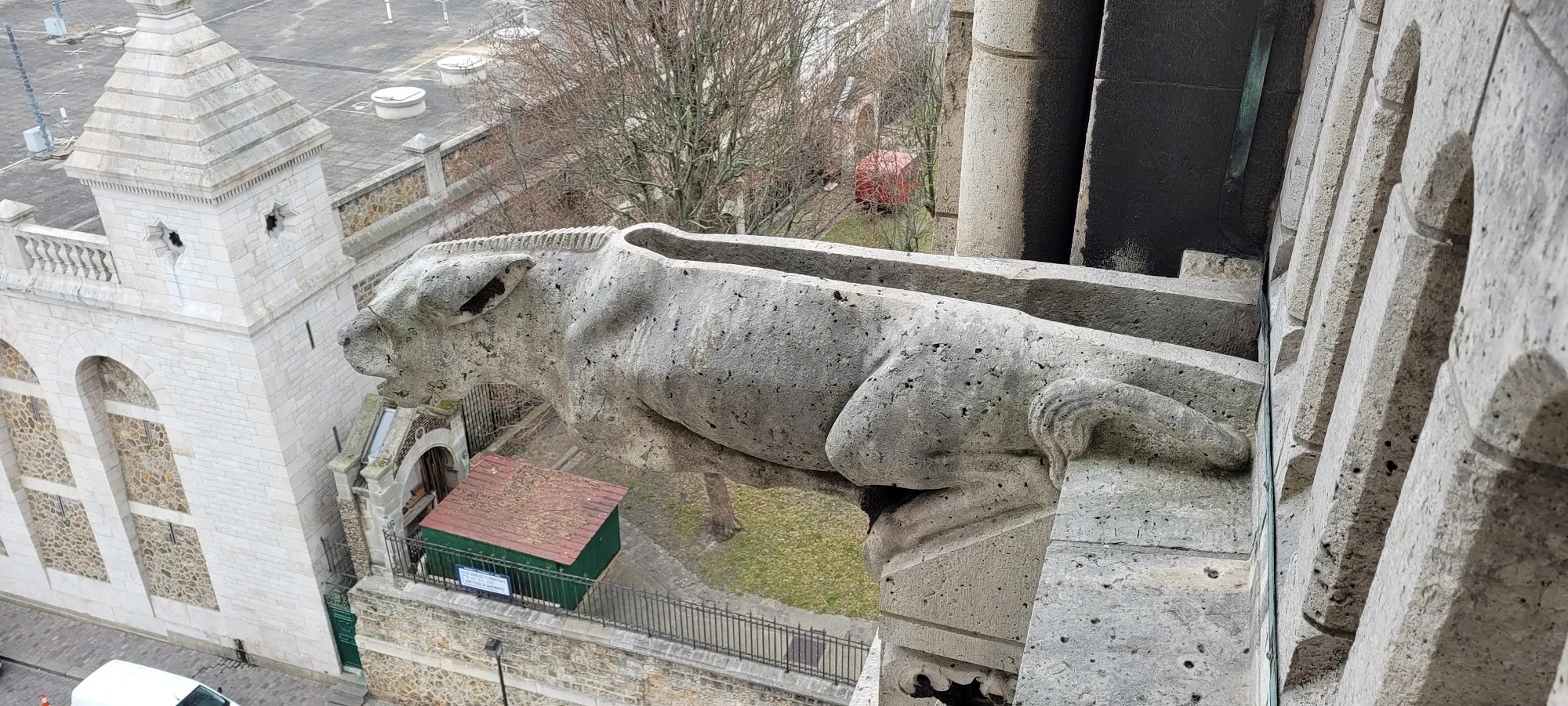
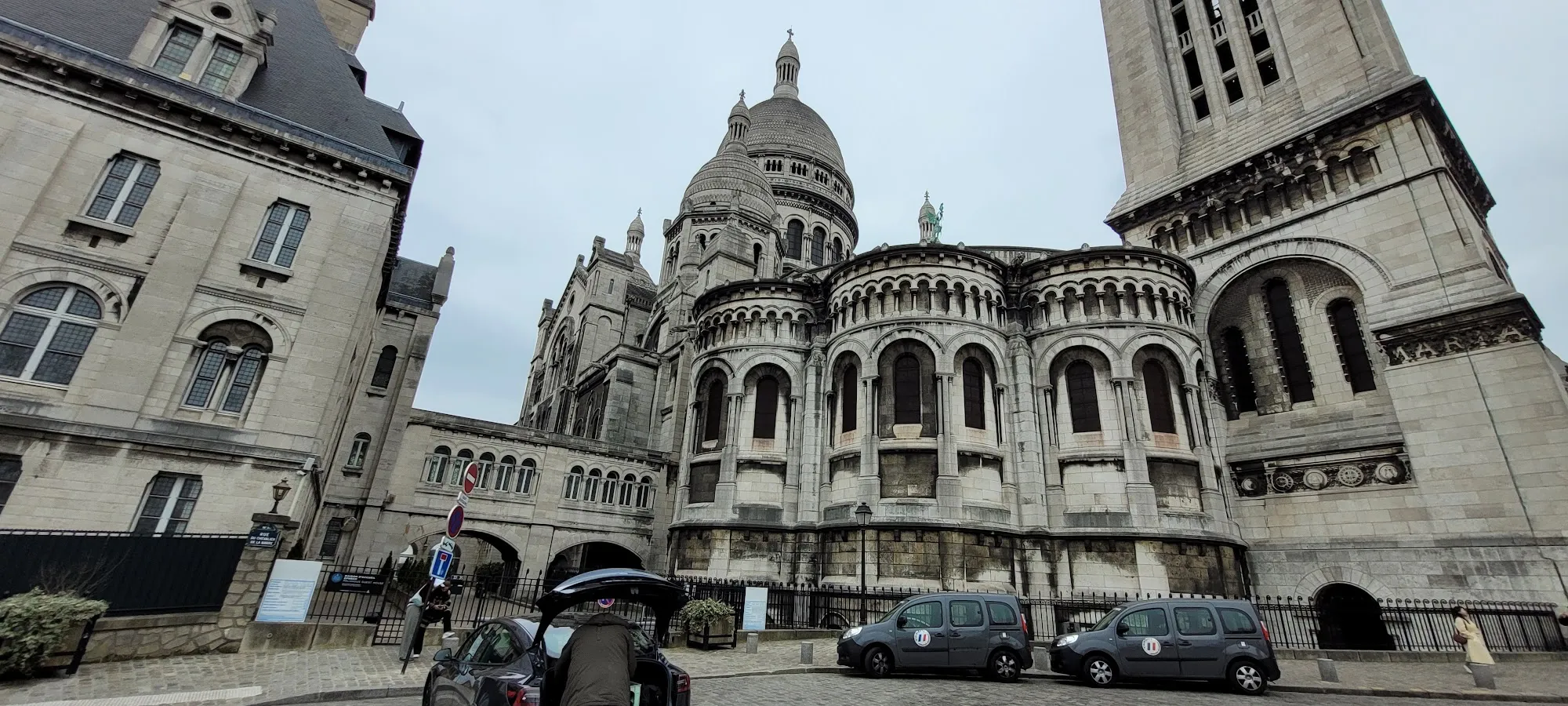
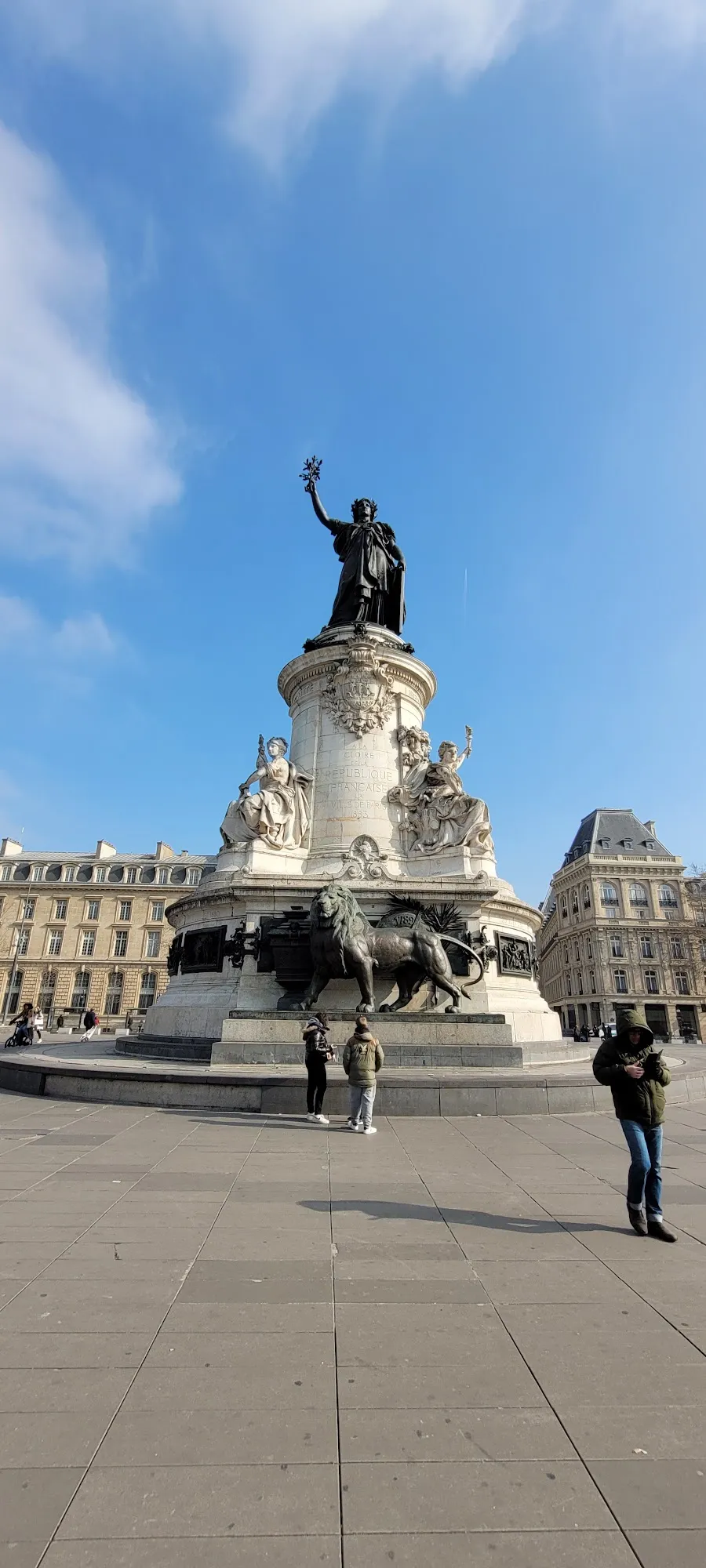
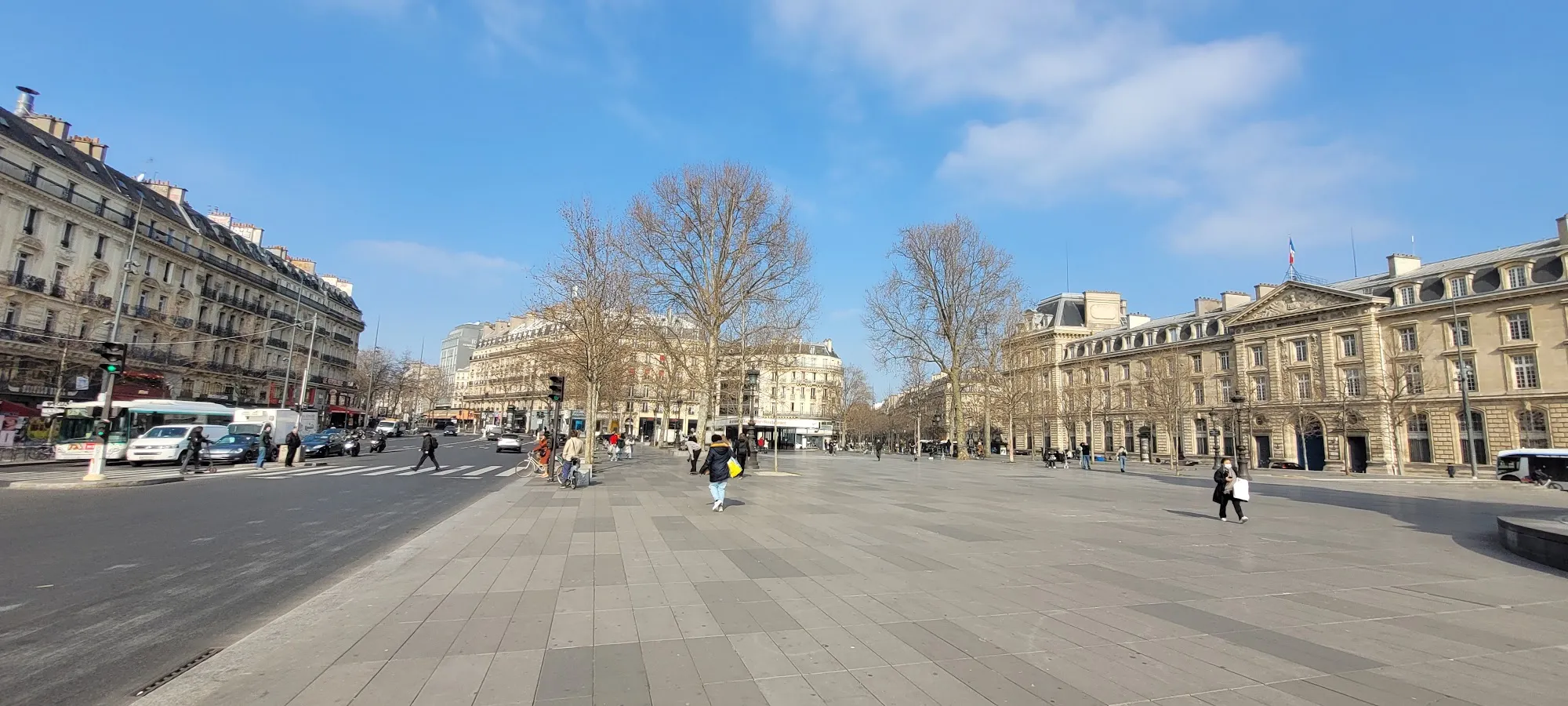
Place de la République is one of the largest squares in Paris, with a statue of Marianne, the symbol of the French Republic, in the middle.
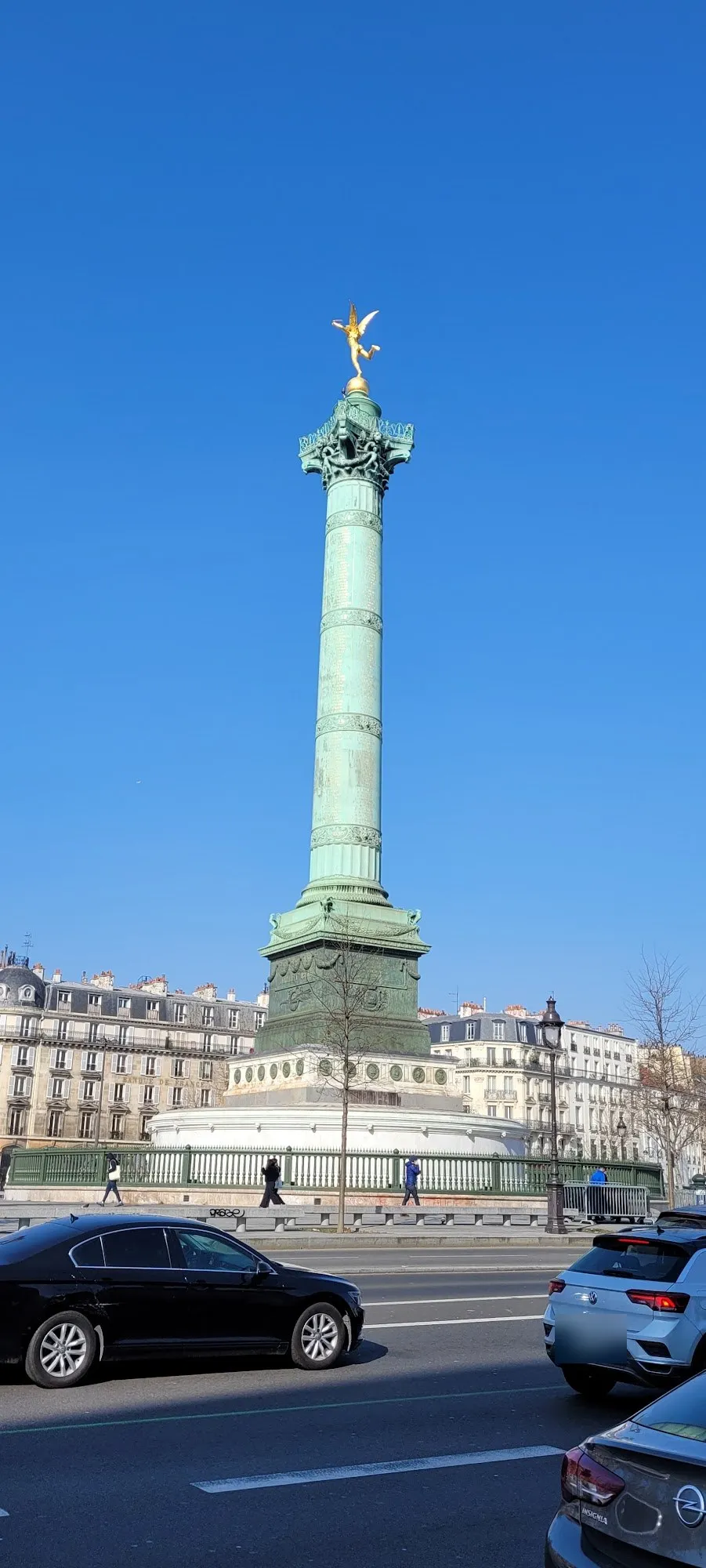
And Place de la Bastille, where the Bastille prison stood until the Revolution, has the July Column in the middle, built in memory of the 1830 revolution and topped by the golden Spirit of Freedom. This is where the race finished.
Race Day
I started the race full of apprehension. Right before the start, I agreed on a meeting point with Adrian: if I didn’t show up within 20 minutes, he should go back to the hotel. The plan was to walk the course, not run it, and I expected it to take me more than two and a half hours.
At the start, I was impressed by the organisation. Even though more than 45,000 of us had to start, we were called up in waves, each at its own set time. So although the start area is quite cramped, it didn’t feel crowded at all.
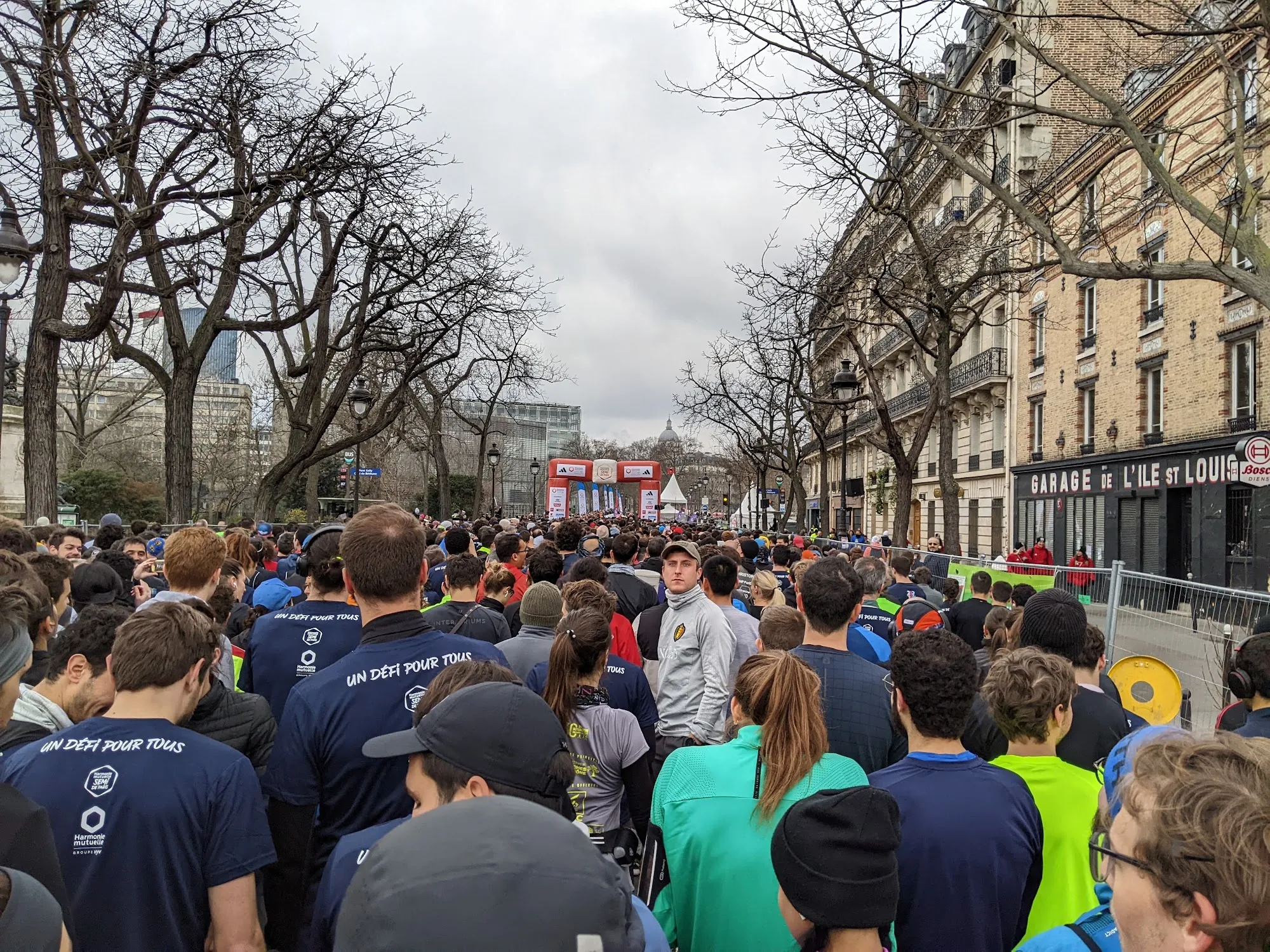
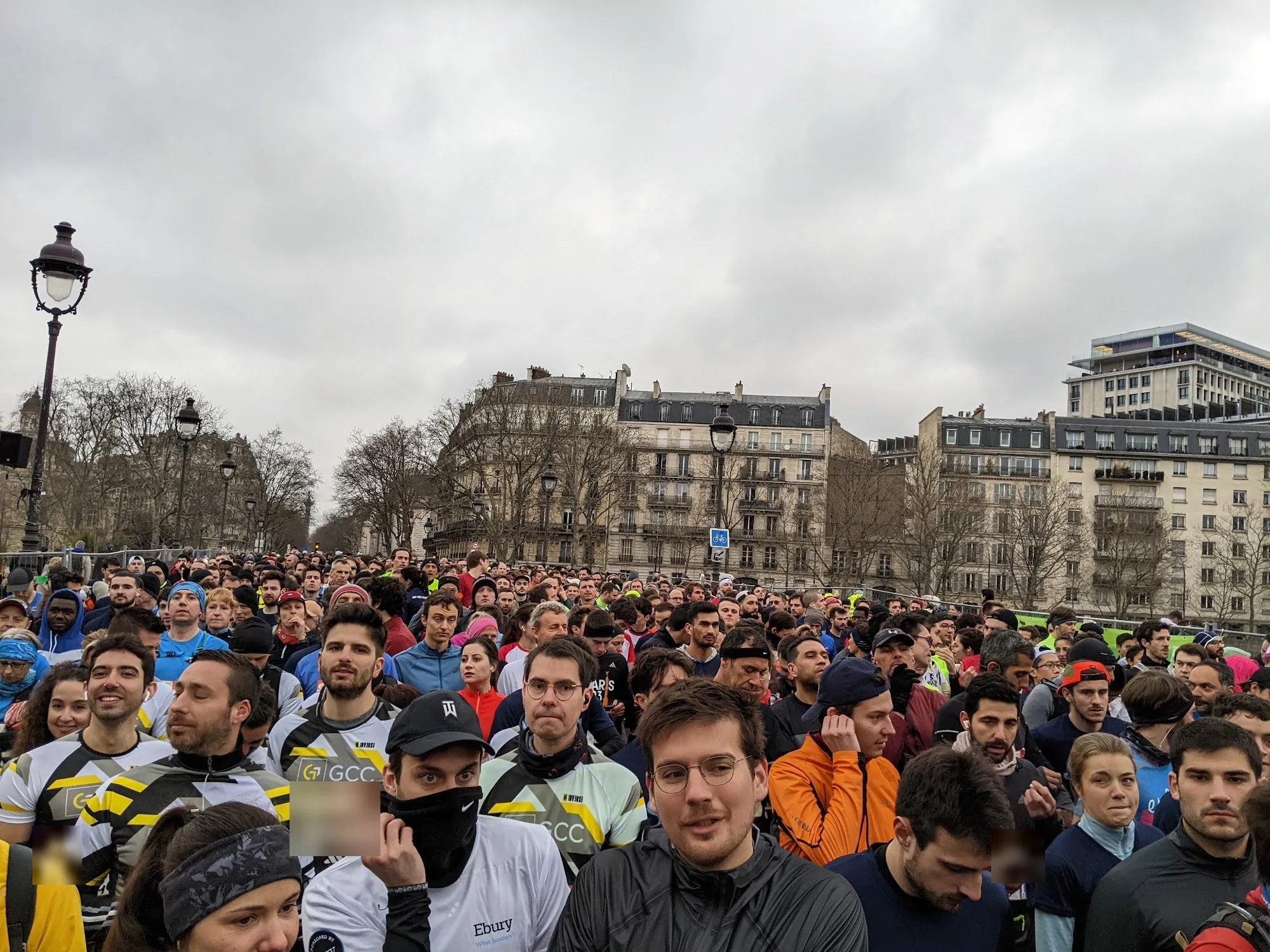
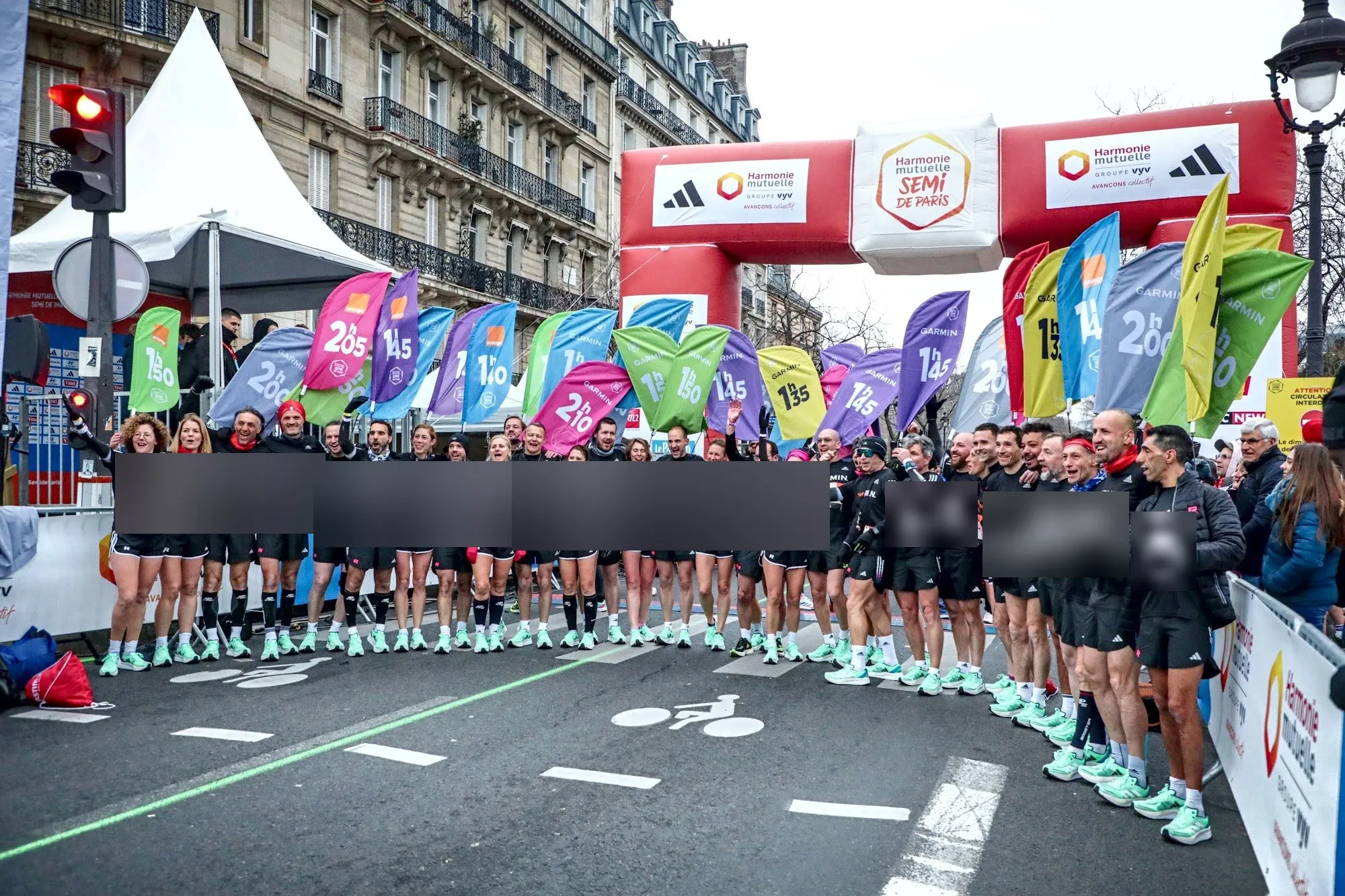
And to keep the course from getting crowded, they only let about 100 runners go at a time within each wave, so my wave was split into smaller groups. I really liked that, because there was no stress at all along the way.
So I started slowly, determined to enjoy the race and to stop at the first sign of pain.
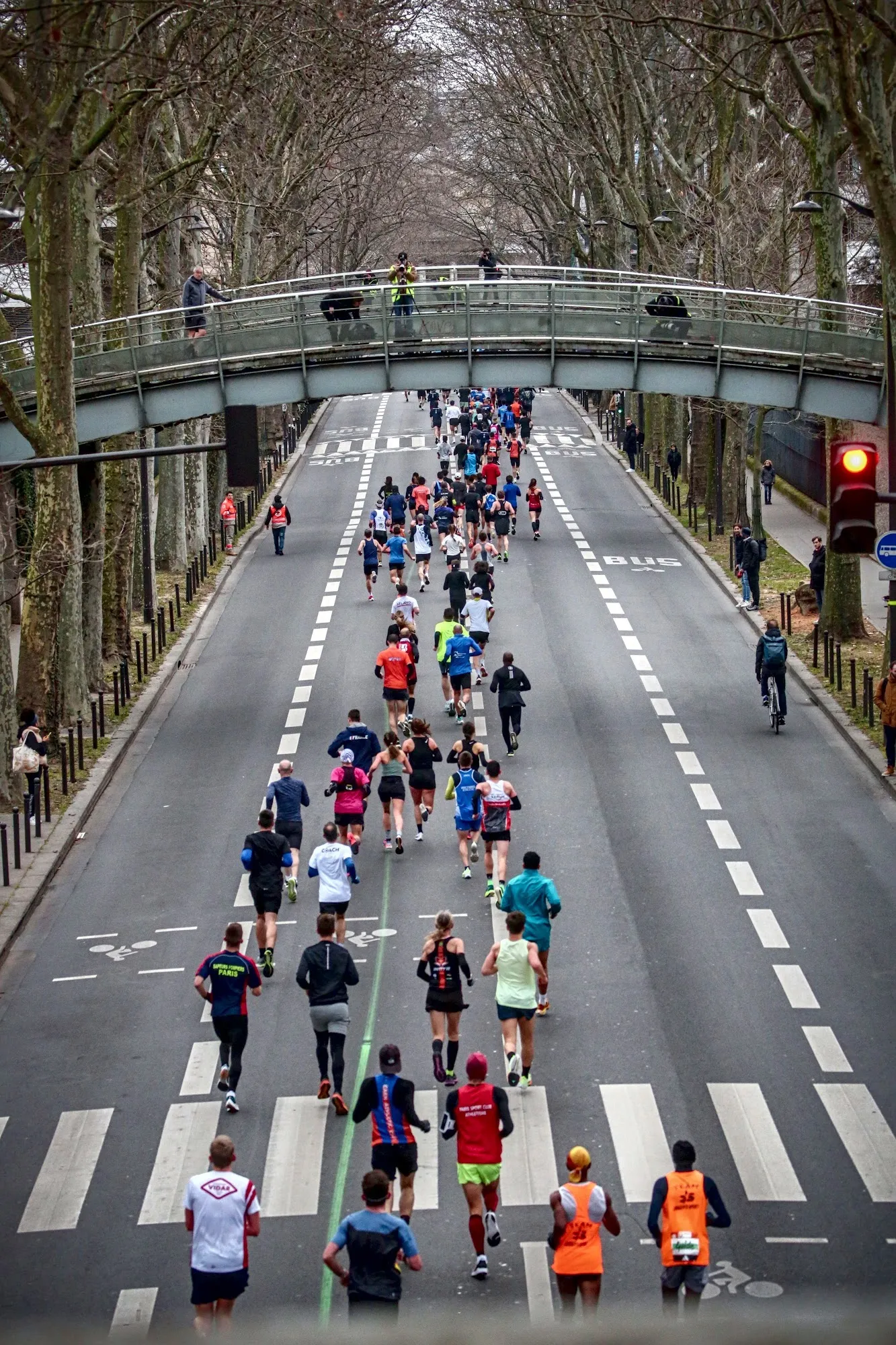
On my watch, I saw that I’d run the first half at an average of around 5:22 per km. A very good pace, considering the circumstances: exactly one month after a two-hour operation under general anaesthesia. It seemed unimaginable to me.
I also stopped at the water stations to drink. This was the first race I’d run where they handed out water in bottles, and I found it much easier to drink than from cups. I’d love every race to do the same.
As I ran, I warmed up and my muscles loosened. There was no pain at all, so without even realising it, I started to speed up. I ran the second half at an average of 5:13 per km.
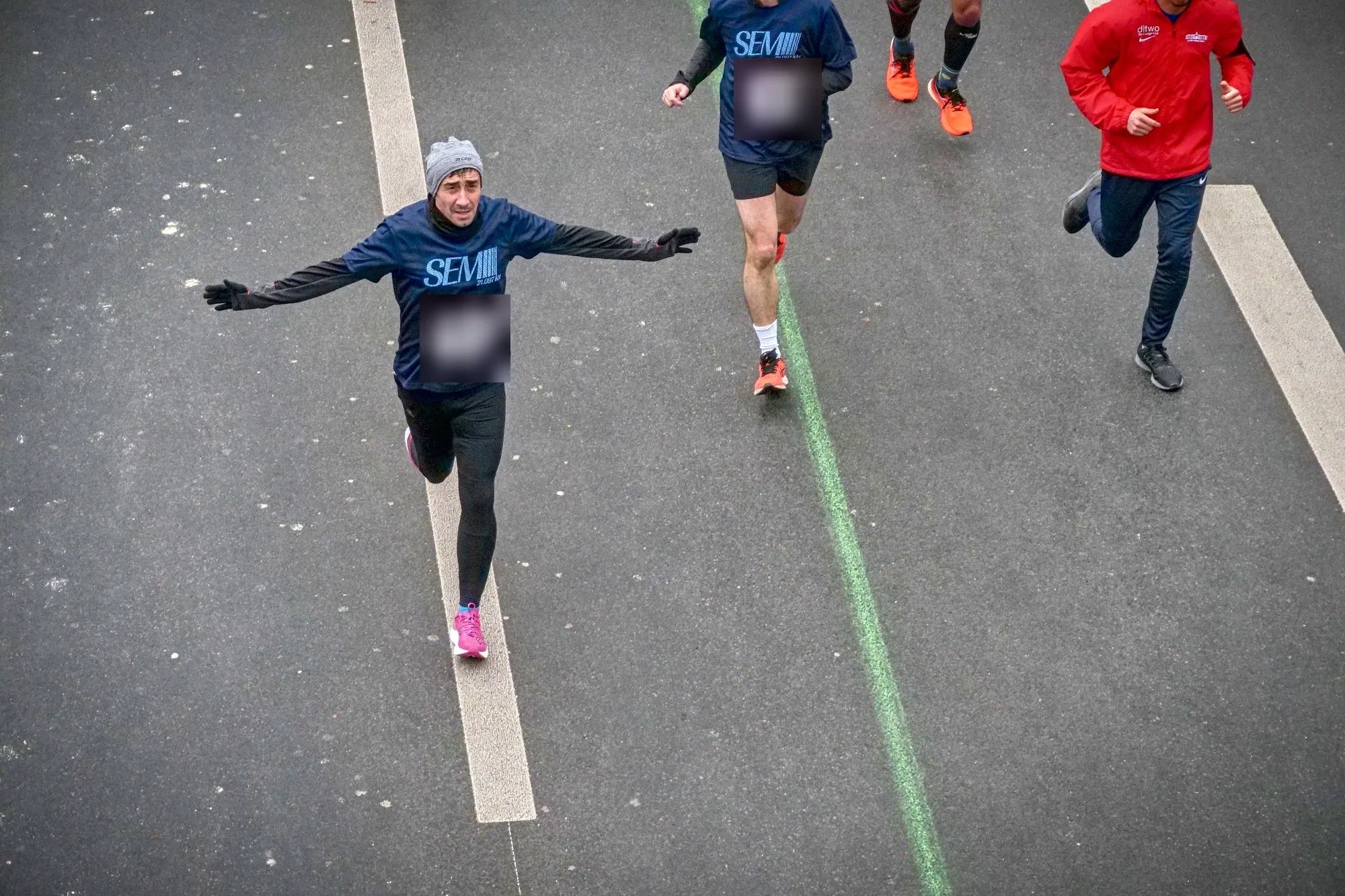
Towards the end, in the last few hundred metres, I heard a rhythmic banging. The spectators at the finish were pounding on the boards between them and the runners, turning it into a kind of music show, and my adrenaline shot sky-high. I think I ran that last stretch at 4:30 per km, because my legs just took off on their own.
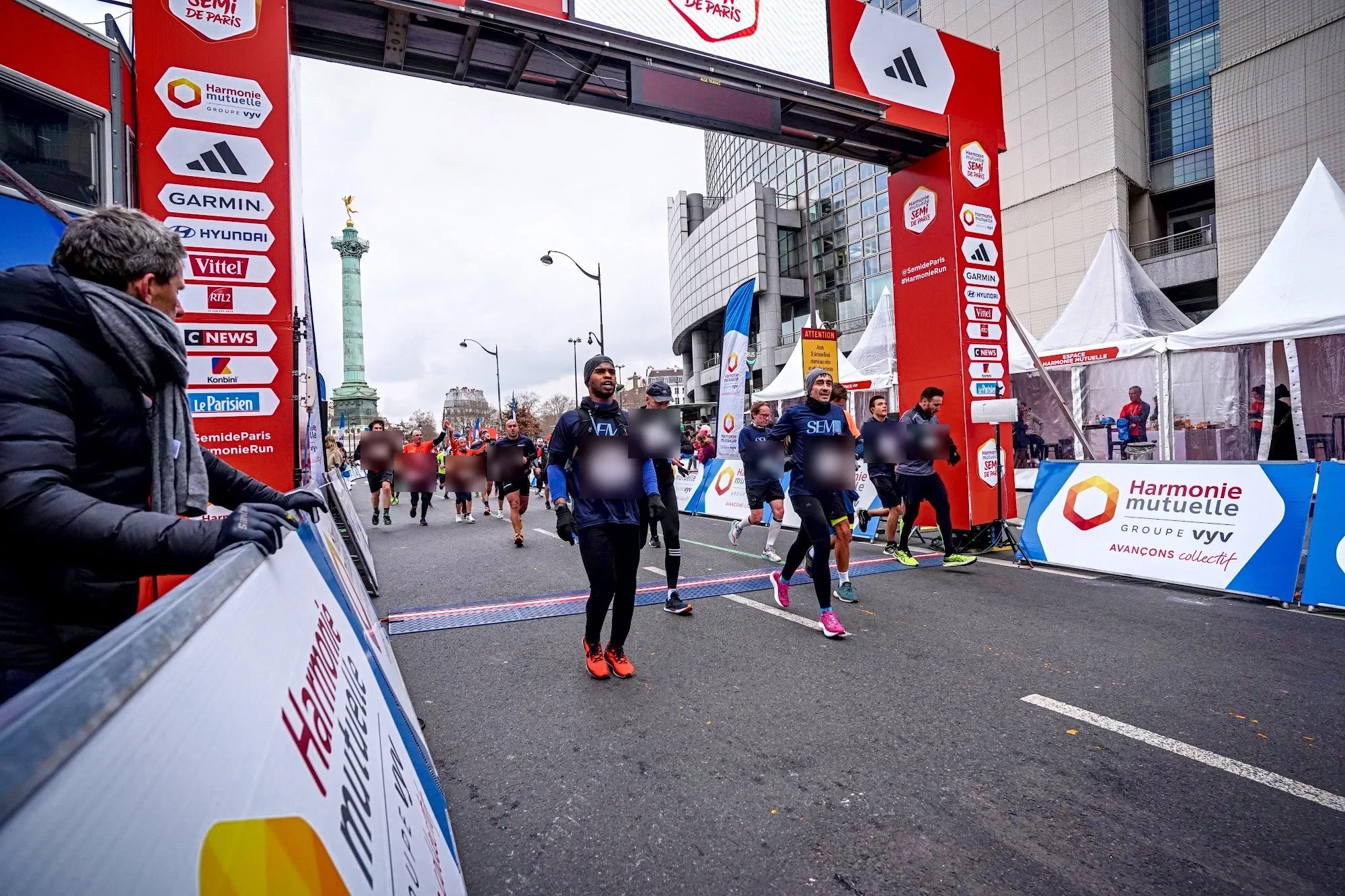
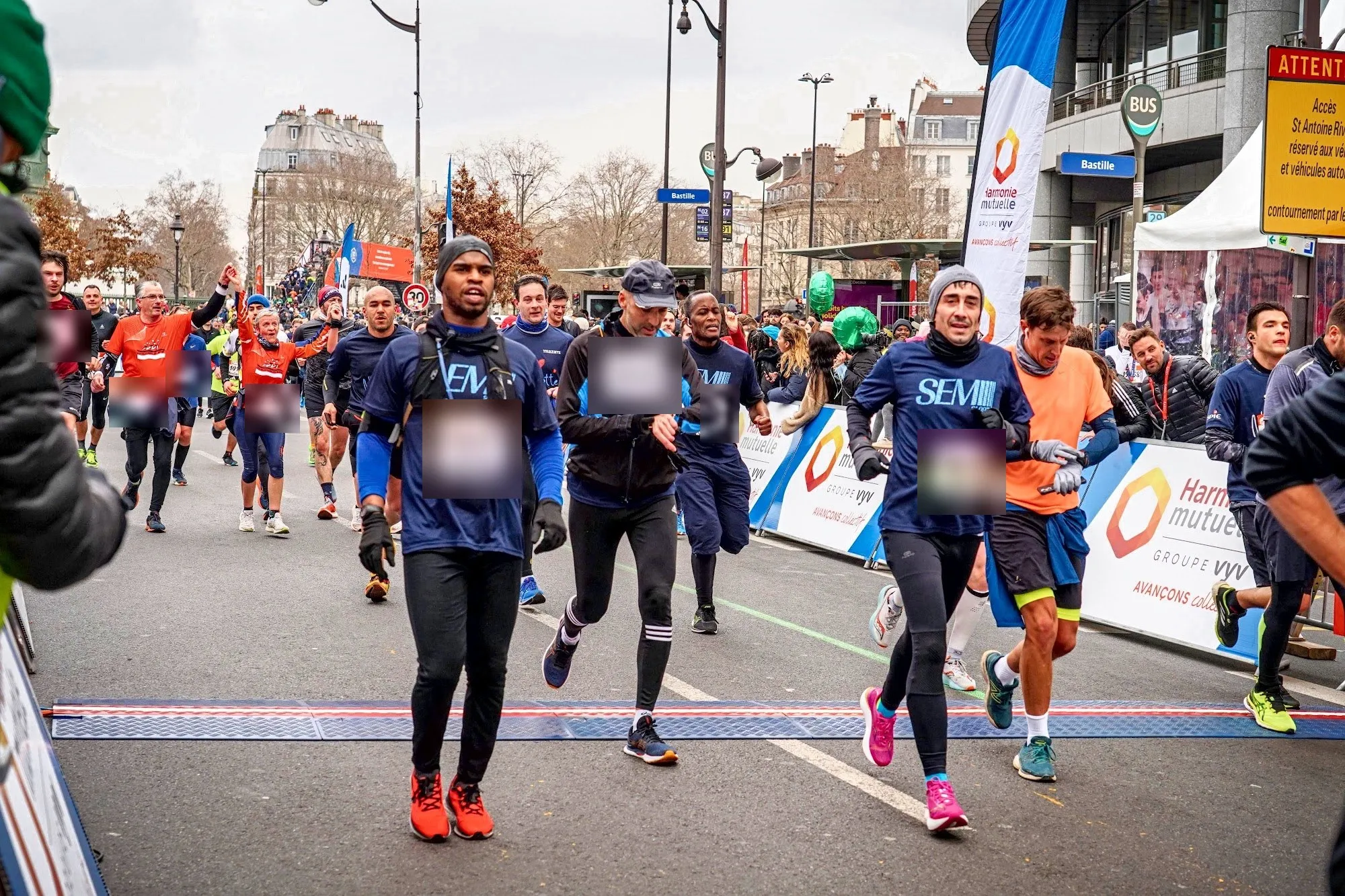
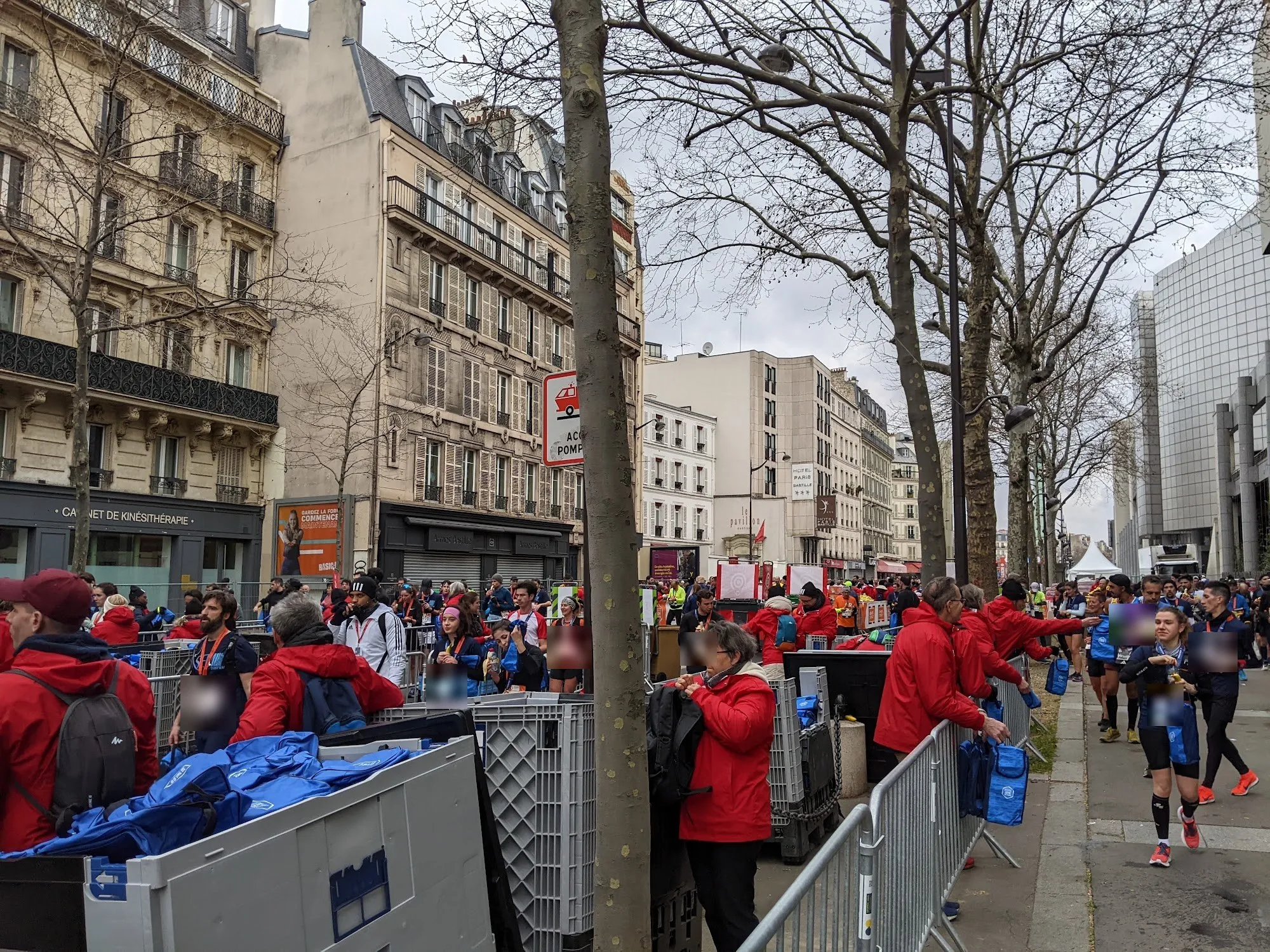
I finished the race and headed for the meeting point, where, to my surprise, I got there first. It didn’t take long for Adrian to arrive, and when he saw me, his eyes went wide: he couldn’t believe I’d finished before him.
It was a huge surprise for me too, and it shows how far medicine has come in the last 100 years. One month after two hours of surgery under general anaesthesia, I ran a half marathon. Who would have thought? And 1:52:02 is a very good time.
The Numbers
| Paris 2023 | |
|---|---|
| Official time | 1:52:02 |
| 5 km splits (watch) | 27:02 · 26:43 · 26:19 · 26:08 |
| First vs. second 10 km | 53:45 vs. 52:27 |
| Pace | 5:14–5:39 for the first 9 km, 4:57–5:22 from km 10 |
| Heart rate | avg 167, max 174 |
| Cadence | about 187 steps/min |
| Weather | 4–6°C (39–43°F), feeling like 2–3°C (36–37°F), overcast, 79–93% humidity, wind 7 km/h, a little drizzle near the end |
| My personal best at the time | 1:44:45, Bucharest, October 2021 |
Final Thoughts
Paris will always be a special race for me, and also an example of top-class organisation. With so little space and streets that aren’t very wide, the organisers earned seven stars, not five.
This race was an incredible morale boost for me. I went to Paris with my spirits on the floor, and I came home full of energy, completely sure that the bad times were behind me and that I was doing very well.
It also took one worry off my plate. After I ran a half marathon one month after surgery, nobody in my family ever asked me how I was feeling again. I think they were convinced I was fine. 😊
Running it yourself?Plan this race with euroslam.run →Date, race-week weather and hotels near the start.EuroSlam is my own free side project. Some hotel links on the site earn me a small commission, at no extra cost to you.
I'm a recreational runner with an office job, testing running science on my own legs. More about me.